Vanishing Point: US Navy Ends Search for Missing Sailor in the Arabian Sea

The US Navy has suspended its 102-hour active search for a sailor lost after an MH-60S Seahawk helicopter crashed in the Arabian Sea. Despite a massive joint operation covering 14,000 square miles, the service member remains missing, highlighting the persistent dangers of carrier-based operations.

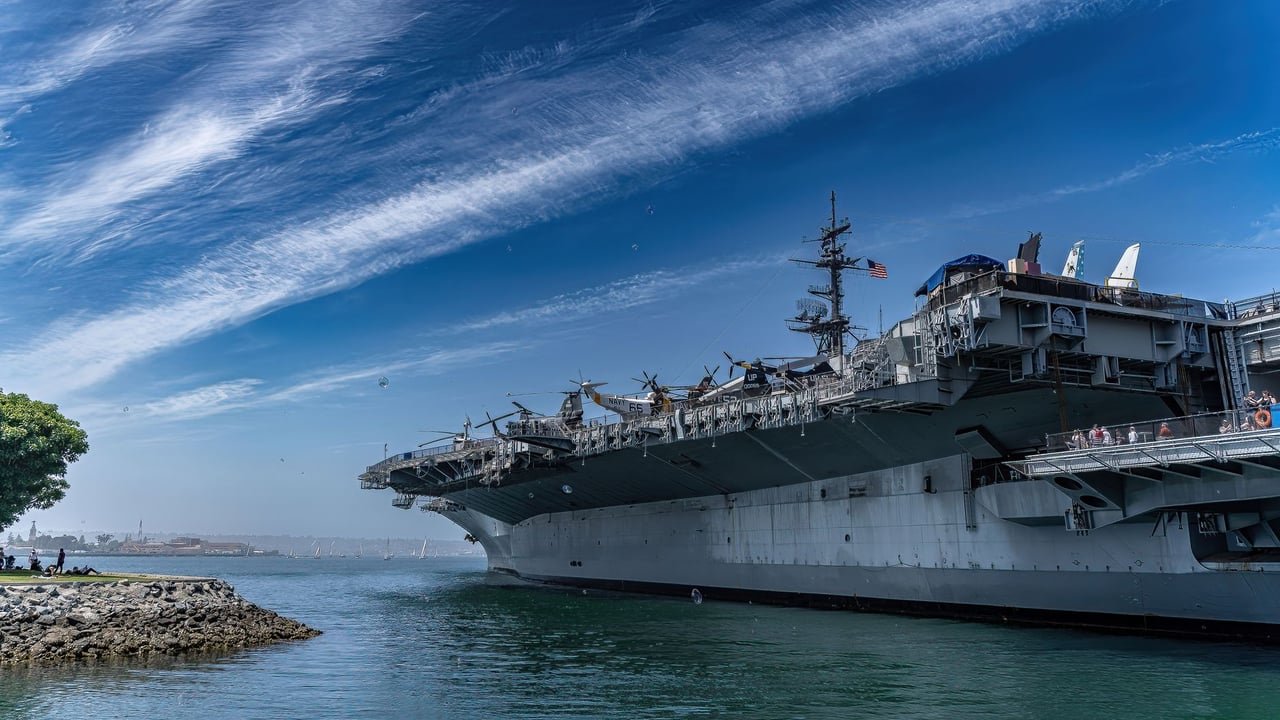
USS Midway Museum ship docked in San Diego harbor on a clear day, showcasing naval history.

Key Takeaways

  • 1US Naval Forces Central Command suspended active search efforts for a missing sailor on July 5 at 15:00 local time.
  • 2The incident occurred on July 1 following an emergency water landing by an MH-60S Seahawk helicopter.
  • 3The missing sailor was assigned to the USS George H.W. Bush (CVN 77) as part of Helicopter Sea Combat Squadron 5.
  • 4The joint Navy-Air Force search operation spanned over 102 hours and covered 14,000 square miles of the Arabian Sea.

Editor's
Desk

Strategic Analysis

The suspension of this search highlights the logistical and human costs of maintaining a permanent carrier strike group presence in the Middle East. While geopolitical tensions in the region often focus on state-on-state friction, operational attrition remains a constant threat to US power projection. This incident specifically puts a spotlight on the MH-60S Seahawk fleet—the workhorse of carrier logistics and search-and-rescue—and may lead to intensified scrutiny of airframe readiness and pilot fatigue during long-term deployments in harsh maritime climates. For the US Navy, the loss of personnel during non-combat operations is a sensitive issue that necessitates a balance between operational tempo and safety protocols.

China Daily Brief Editorial
Strategic Insight
China Daily Brief

After a grueling four-day search across thousands of square miles of open water, the US Navy has officially transitioned its efforts from a rescue mission to a recovery operation. The decision marks a somber conclusion to a high-stakes maritime emergency that began when an MH-60S Seahawk helicopter was forced into an emergency water landing in the Arabian Sea.

The missing service member, a sailor assigned to Helicopter Sea Combat Squadron 5, was part of the air wing embarked on the Nimitz-class aircraft carrier USS George H.W. Bush. Despite the mobilization of both naval and air assets under the US Central Command’s jurisdiction, the sailor remains unaccounted for after more than 102 hours of continuous searching.

The scale of the response underscores the difficulty of operations in the vast, often unforgiving environment of the Northern Indian Ocean. Covering an area of 14,000 square miles—roughly the size of Maryland—the joint search involved complex coordination between surface ships and specialized aircraft across the US Navy and Air Force.

While the US military frequently conducts routine operations in these waters to ensure freedom of navigation and regional stability, the incident serves as a stark reminder of the inherent dangers of naval aviation. Such mishaps often trigger deep internal reviews regarding maintenance protocols and training standards during extended deployments in high-stress environments.

Share Article

Related Articles

📰
No related articles found