
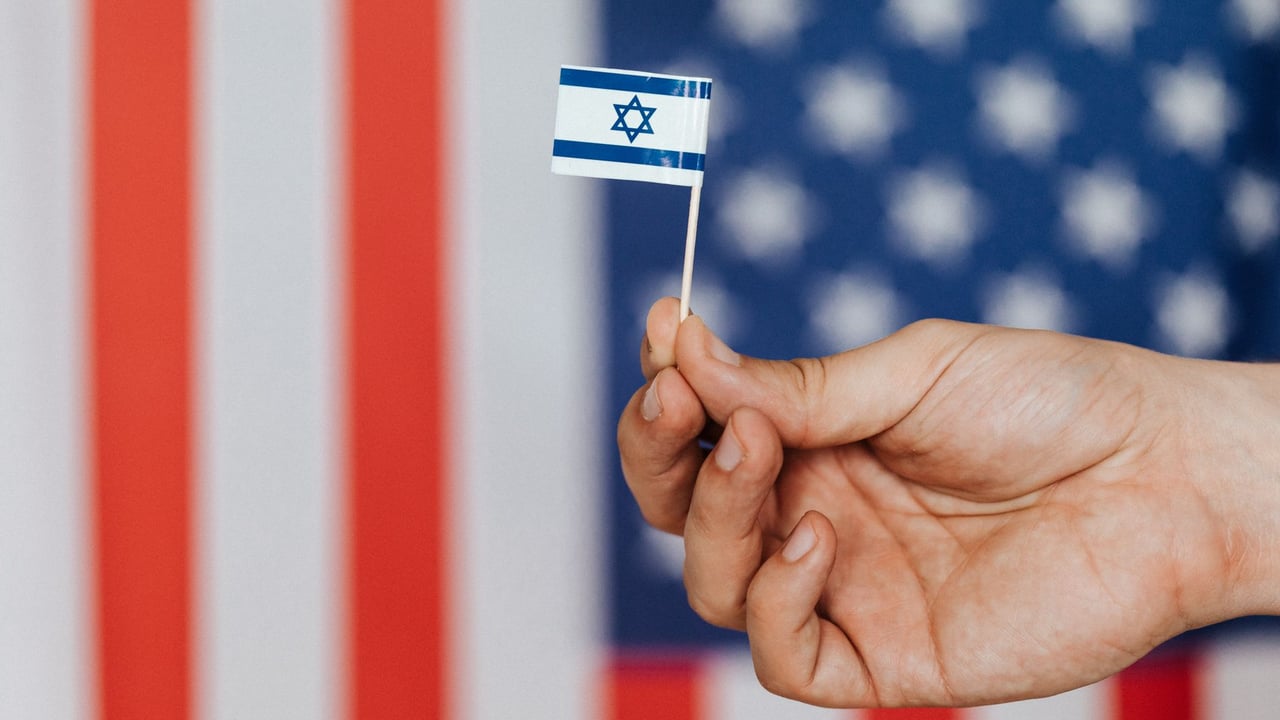

Donald Trump’s recent assertion that Benjamin Netanyahu "knows who the boss is" marks a sharp rhetorical shift in one of the world's most scrutinized political alliances. Following a high-stakes phone call, a meeting at the White House is tentatively scheduled for mid-July, immediately following Trump's participation in the NATO summit. This potential encounter would be the first formal meeting between the two leaders since February, when discussions were dominated by proposals for joint military action against Iran.
However, the perceived camaraderie that once defined the Trump-Netanyahu era is showing signs of significant strain. Advisers within the Trump camp have reportedly grown increasingly disillusioned with the Israeli Prime Minister, suggesting that his recent strategic decisions have been consistently off-mark. This internal skepticism reflects a broader concern that Netanyahu’s regional policies may no longer align with the "America First" transactional approach to Middle Eastern diplomacy.
For Netanyahu, the visit serves as a critical domestic political tool, allowing him to frame himself as an indispensable statesman who can navigate the corridors of power in Washington. Yet, the political optics are treacherous; Trump has recently voiced public frustration over the escalating conflict between Israel and Hezbollah, fearing it could derail delicate diplomatic maneuvers regarding Iran. Netanyahu’s effort to use the meeting as a cornerstone for his own reelection campaign may be met with a far more transactional and demanding partner than in years past.
At the core of the tension lies a fundamental divergence over the Iranian nuclear threat. Jerusalem is increasingly alarmed that the United States might pursue a memorandum of understanding with Tehran that fails to dismantle Iran’s nuclear and ballistic missile capabilities. As the U.S. signals a preference for de-escalation and containment, Israel finds itself in the uncomfortable position of being an observer rather than a participant in the negotiations that will define its primary security landscape.