

A high-stakes diplomatic gamble is currently unfolding in the Persian Gulf as a tenuous 60-day ceasefire between the United States and Iran faces its most critical test. Signed on June 17, the memorandum of understanding was intended to provide a cooling-off period for the two adversaries to negotiate a more permanent de-escalation. However, the initial optimism is rapidly being replaced by a sense of impending conflict as both sides remain entrenched in their long-standing geopolitical demands.
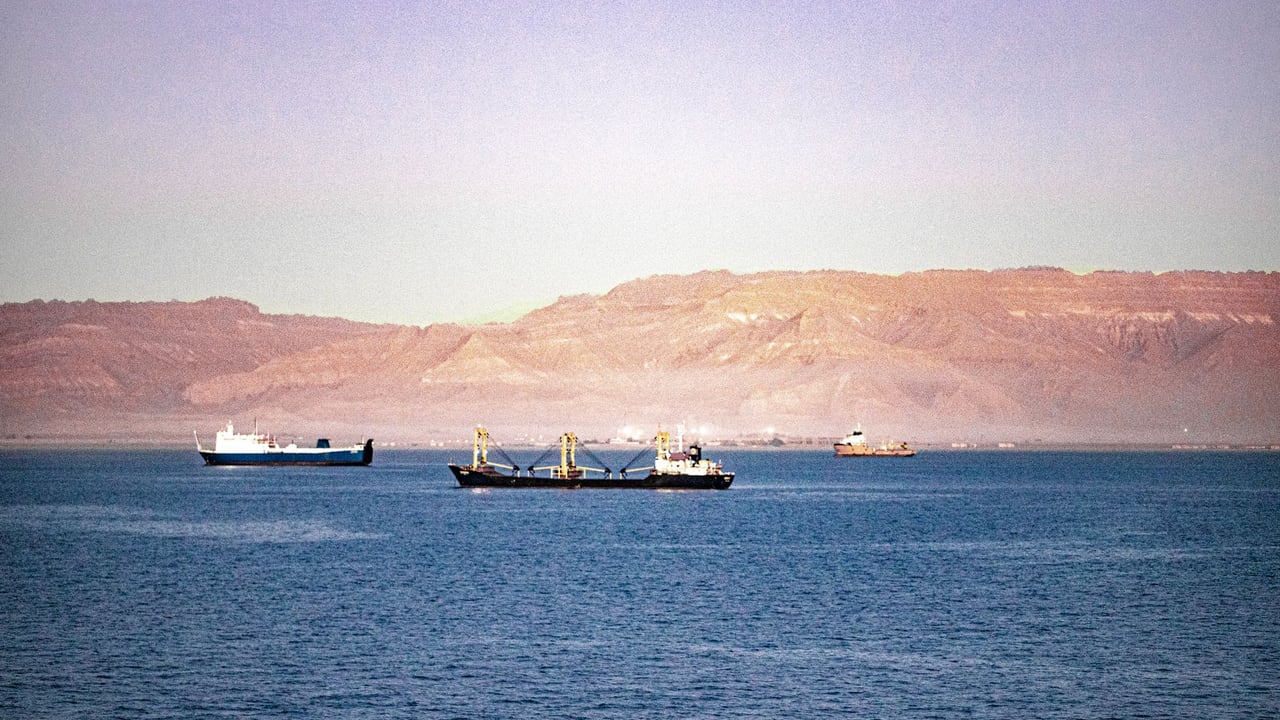
At the heart of the impasse lies the strategic bottleneck of the Strait of Hormuz, where Iran asserts sovereign control over the world’s most vital oil transit route. The Trump administration has countered this by insisting the waterway remain open international water, refusing to recognize any unilateral Iranian restrictions. This fundamental disagreement over maritime law and regional hegemony has turned the sea lanes into a volatile flashpoint where any minor miscalculation could trigger a kinetic exchange.
The financial dimension of the conflict is equally stalled, centered on billions of dollars in frozen Iranian assets. Tehran demands the unconditional release of these funds into its central bank to stabilize its crippled economy, while Washington insists that the money be strictly tied to compliance and limited to humanitarian purchases. This zero-sum approach to economic leverage has left negotiators with little room for the creative ambiguity often required in high-level diplomacy.
Adding to the complexity is the regional spillover in Lebanon, where the role of Israel remains a decisive factor. Despite American efforts to pressure a ceasefire between Israel and Hezbollah as part of the broader deal, Israeli leadership has shown little appetite for military concessions. This internal friction within the U.S.-led alliance highlights the difficulty of managing a regional peace when local actors have divergent security priorities.
Donald Trump’s personal rhetoric has further inflamed the situation, blending domestic electoral posturing with aggressive brinkmanship. In a series of recent statements, Trump characterized the 60-day window as an act of 'mercy' to allow Iran time for mourning following reports regarding the health and succession of Supreme Leader Ali Khamenei. By framing the diplomatic window as a temporary reprieve rather than a foundation for peace, the U.S. president is signaling to his base that his 'maximum pressure' campaign remains in full effect.
Within Iran, the political landscape is deeply bifurcated between the civilian government led by President Pezeshkian and the hardline Islamic Revolutionary Guard Corps. While Pezeshkian’s administration seeks a diplomatic exit from sanctions, the IRGC remains deeply skeptical of American intentions and views the 60-day pause as a tactical maneuver to be exploited rather than a bridge to reconciliation. This internal power struggle ensures that any potential breakthrough faces significant resistance from Tehran’s security establishment.