
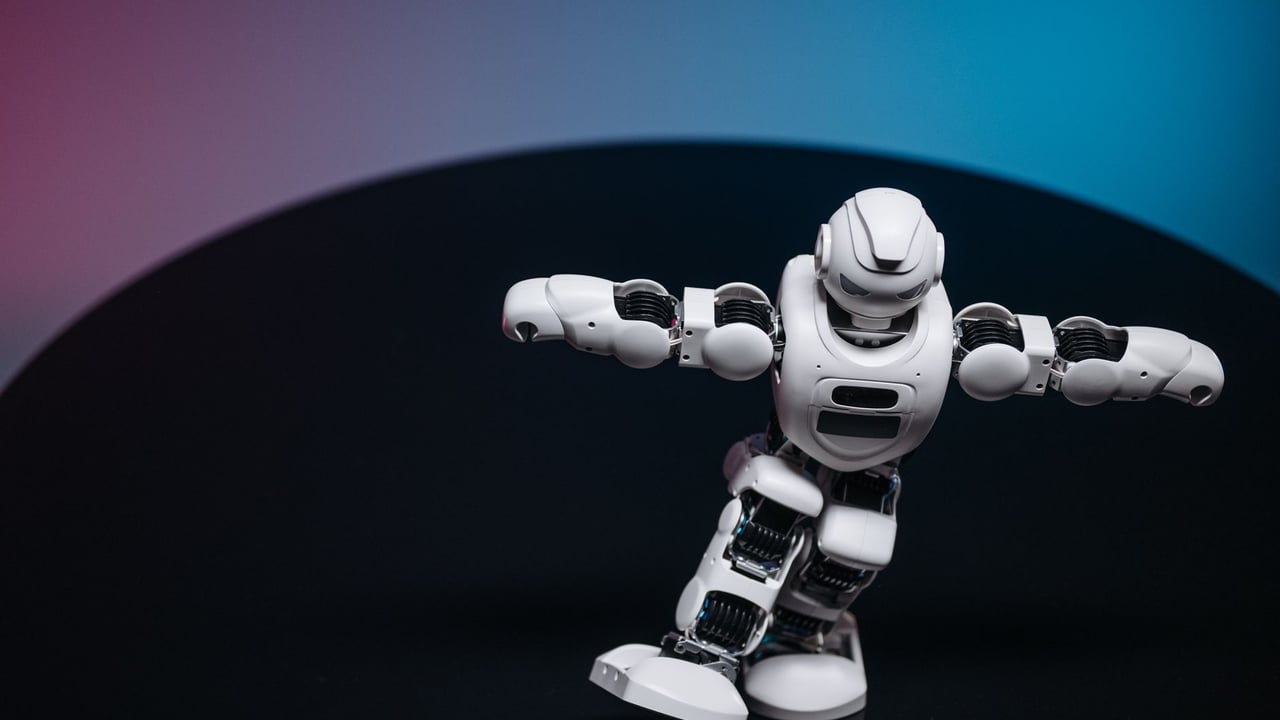

While the global robotics industry has largely fixated on deploying humanoid labor in manufacturing plants, Chinese robotics pioneer UBTECH is pivoting toward the living room. The company’s newly unveiled U1 series, a range of ultra-realistic bionic humanoids, signals a strategic departure from the 'factory worker' narrative. Instead, UBTECH is betting on the 'loneliness economy,' offering companionship to China’s burgeoning population of 239 million single adults.
The U1 series, which ranges from the 119,800 RMB ($16,500) 'Lite' model to the staggering 990,000 RMB ($136,000) 'Ultra' version, has already secured over 13,000 pre-orders. This figure is more than 12 times the company’s projected 2025 sales for its industrial-grade robots. By focusing on emotional value rather than housework, UBTECH’s founder, Zhou Jian, argues that the home environment offers a far more lucrative ecosystem for long-term service fees than the increasingly commoditized industrial hardware market.
However, a glaring technical limitation threatens to break the illusion of companionship. Despite the high price tags, the entire U1 line suffers from a battery life of just two to four hours per charge. While a two-hour runtime is manageable in a factory setting where robots can cycle through rapid-charging stations or 'hot-swap' batteries, it creates a jarring experience in a domestic context. A 'cyber-girlfriend' that must return to a charging dock mid-conversation serves as a constant reminder of the machine’s mechanical nature, potentially triggering a 'digital' version of the uncanny valley.
The engineering challenge of the U1 series is immense. Beyond the power constraints, the robots feature intricate bionic skin with pores, fingerprints, and even simulated body temperature. This level of detail requires a complex supply chain that UBTECH must now scale to reach a target of 50,000 units by 2027. Early footage of the units suggests that while the rendering of the faces is impressive, the mechanical stiffness of their gait and the gap between marketing visuals and reality remain points of contention among early adopters.
Regulators are already moving to catch up with this shift toward emotional robotics. The recent release of guidelines by the China Humanoid Robot 100 Committee emphasizes the need for strict ethical standards and privacy protections in emotional AI. As these machines enter the most private spheres of human life, the industry faces a dual challenge: overcoming the physical limitations of current battery technology while navigating the complex ethical landscape of man-machine intimacy.