Reality Check for China’s Humanoid Robot Ambitions as Stock Bubble Cools

Chinese humanoid robot stocks experienced a sharp correction on July 6, with leaders like Wuzhou Xinchun hitting the daily floor. The retreat signals a shift in investor sentiment from speculative hype toward a more rigorous assessment of the technical and commercial viability of embodied AI.

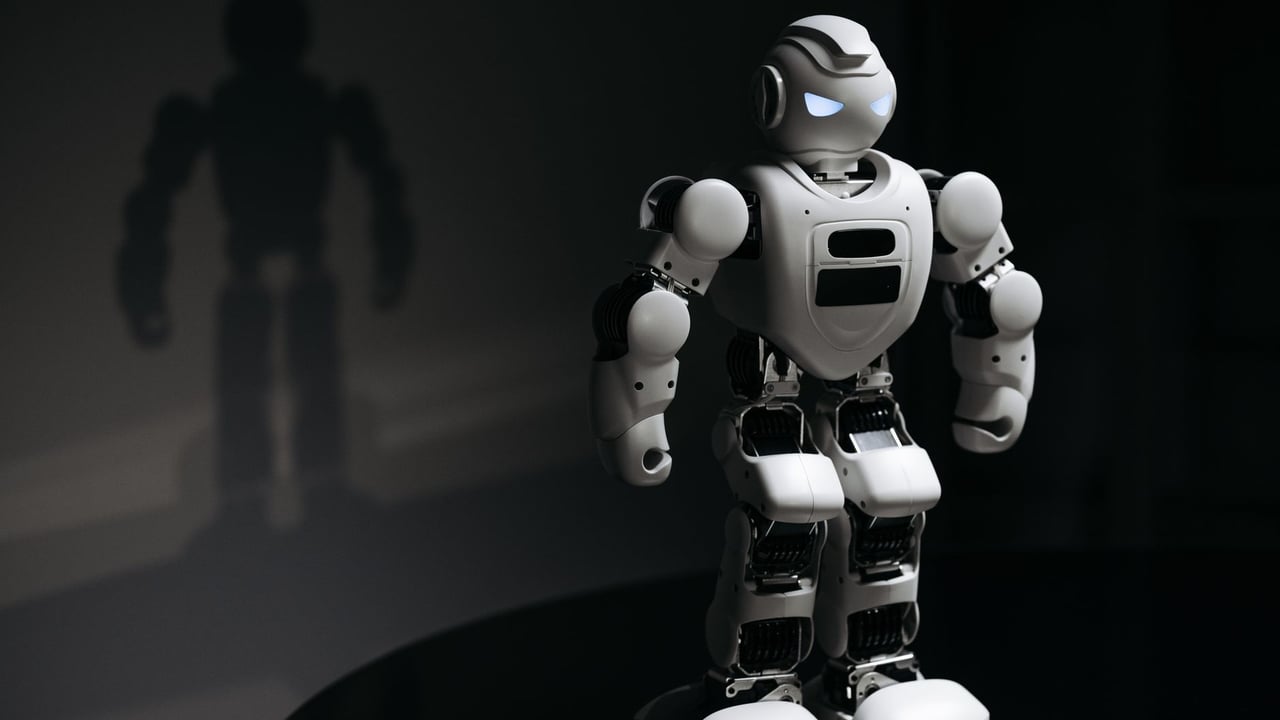
White robot toy casting a shadow in a dark studio setting, highlighting artificial intelligence.

Key Takeaways

  • 1Major humanoid robot concept stocks saw double-digit percentage drops during afternoon trading.
  • 2Wuzhou Xinchun hit the 10 percent lower limit, signaling a sector-wide cooling of sentiment.
  • 3The correction follows a period of intense capital injection and high expectations for the 'consumerization' of robotics.
  • 4Market volatility highlights the tension between China's long-term industrial goals and current technical bottlenecks.

Editor's
Desk

Strategic Analysis

The current sell-off in China’s humanoid robot sector is less an indictment of the technology's future and more a necessary 'shakeout' of speculative retail capital. Beijing has identified humanoid robots as a critical component of its 'New Productive Forces' agenda, aiming to integrate Large Language Models (LLMs) with physical hardware to solve the country's looming labor shortage. While the market is currently punishing component suppliers for high valuations, the underlying strategic push—backed by significant state-guided 'patient capital'—remains robust. Expect future growth to be more bifurcated, favoring companies that can demonstrate breakthroughs in high-torque motors and sophisticated tactile sensing rather than those merely riding the 'concept' wave.

China Daily Brief Editorial
Strategic Insight
China Daily Brief

The speculative frenzy surrounding China’s humanoid robot sector hit a significant wall on Monday as several key industry players saw their valuations tumble in a sharp afternoon retreat. This market correction suggests a growing cautiousness among investors who have previously been buoyed by aggressive state backing and the global hype surrounding embodied artificial intelligence.

Leading the decline, Wuzhou Xinchun hit the 10 percent daily limit-down mark, while other prominent firms such as Topstar, Fengguang Precision, and Lingyun Light saw their share prices plunge by more than 10 percent. The sell-off represents a stark reversal for a sector that has been a darling of the A-share market, driven by the promise of robots eventually replacing human labor in both factories and households.

While the long-term strategic importance of the sector remains undisputed in Beijing, the immediate market reaction reflects a gap between conceptual milestones and commercial profitability. Recent reports of massive funding rounds—such as Starry Era’s 1 billion RMB B-2 round—and Tesla’s progress with its Optimus line have kept expectations high, but the technical hurdles in precision sensors and actuators continue to weigh on the near-term outlook for component suppliers.

China’s Ministry of Industry and Information Technology has previously signaled its intent to establish a global hub for humanoid robotics by 2027, categorizing the technology as a 'disruptive' force comparable to the smartphone or the electric vehicle. However, the current volatility underscores the risks inherent in a sector where valuation often outpaces the actual deployment of functional, cost-effective hardware on the factory floor.

Share Article

Related Articles

📰
No related articles found