
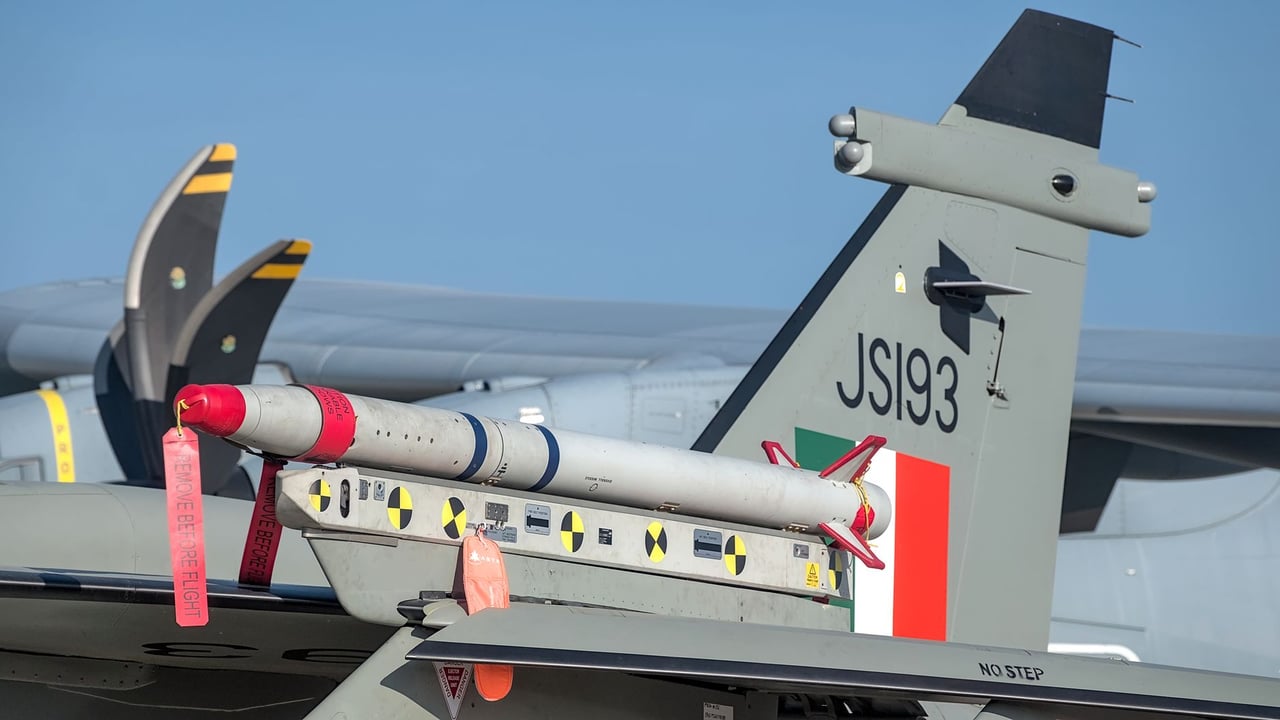

Tokyo is planting a lethal stake in the furthest reaches of its maritime territory. By deploying Type 12 anti-ship missile systems to the remote scrap of coral known as Minami-Torishima, Japan is signaling a departure from its post-war pacifist constraints. This 1.2-square-kilometer island, sitting nearly 1,900 kilometers from the capital, is no longer just a meteorological station; it is becoming a critical node in the Second Island Chain.
The move aligns with Japan’s broader counterstrike capability doctrine, a controversial shift that allows for preemptive strikes when a threat is deemed imminent. This policy change reflects a hardening stance against regional volatility and a significant reinvestment in kinetic power. Japan’s defense budget is projected to balloon to 9 trillion yen by 2026, with nearly a trillion dedicated specifically to long-range missile technology.
Minami-Torishima’s isolation provides a unique tactical advantage. Its distance from major population centers and foreign surveillance hubs allows the Japan Self-Defense Forces to test and iterate weapon systems with a degree of secrecy. The primary focus is the evolution of the Type 12 missile, whose range is being extended from 200 kilometers to over 1,000 kilometers, effectively turning a defensive tool into a regional power-projection asset.
Beijing has responded with predictable gravity, blacklisting 40 Japanese entities in an attempt to disrupt the military-industrial supply chain. This economic retaliation underscores the stakes: the silent war in the West Pacific is no longer just about diplomatic posturing. As Tokyo integrates more deeply with Washington’s strategic realignment, the geographic buffer zones that once defined Asian security are rapidly disappearing.