

For the first time since the height of recent Middle Eastern hostilities, the Gulf's energy arteries are pulsing with renewed vigor. Daily oil exports from the region’s major producers surged by over 3 million barrels in June, finally reclaiming the psychologically and economically significant 10-million-barrel-per-day (bpd) threshold. This recovery is the most visible sign of a burgeoning "peace dividend" as back-channel diplomacy between Washington and Tehran begins to stabilize the world's most critical maritime chokepoints.
Market data from tracking firms like Kpler and Vortexa indicate that the combined output of Saudi Arabia, the UAE, Kuwait, Iraq, and Iran reached approximately 10.07 million bpd. While this remains roughly 40% below pre-conflict levels, the rapid acceleration from May’s lackluster 7-million-barrel average suggests a decisive shift in regional logistics. The easing of hostilities has allowed producers to flush out millions of barrels that had been languishing in floating storage during the height of the maritime blockade.
The United Arab Emirates has emerged as the vanguard of this recovery, with exports hitting a record 3.8 million bpd in June. Saudi Arabia followed suit, ramping up its shipments by over 760,000 barrels daily as activity at the strategic Ras Tanura terminal approached levels not seen since early 2024. Even Iran, despite the complexity of ongoing sanctions, saw its exports jump by 70% to roughly 640,000 bpd, signaling a quiet relaxation of enforcement by the U.S. to prevent a global energy price spike.
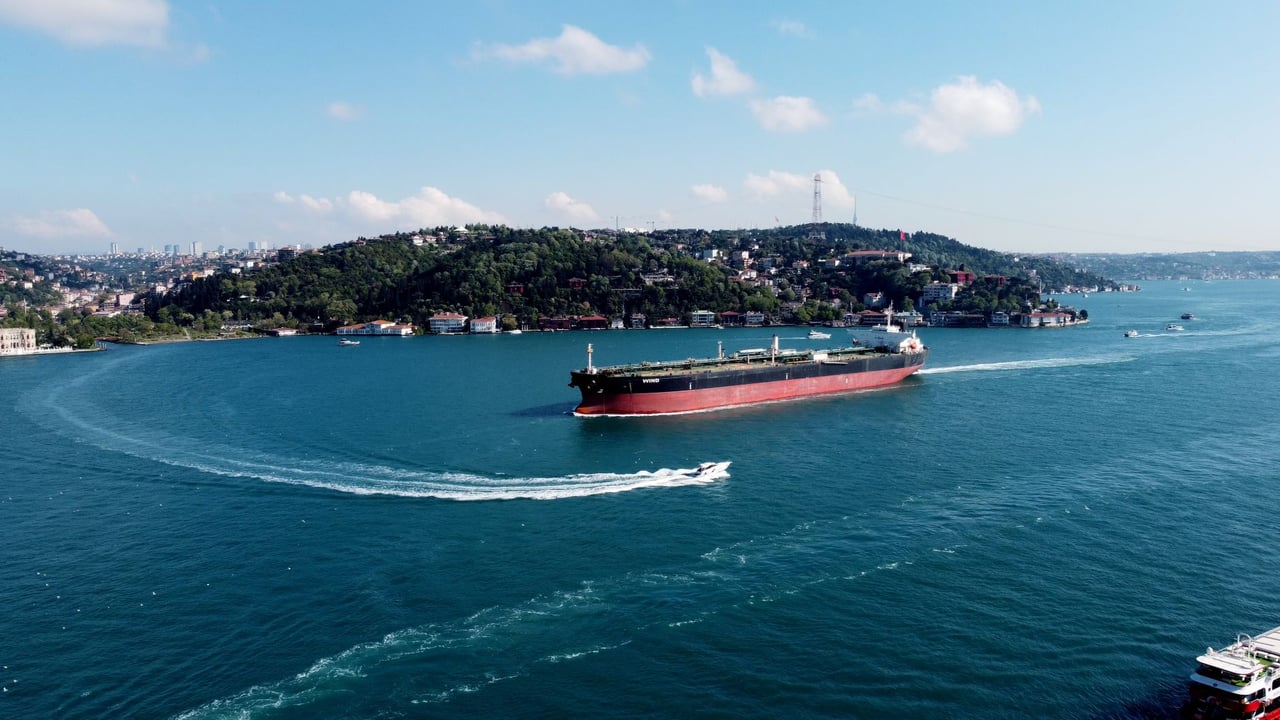
Central to this rebound is the relative calm returning to the Strait of Hormuz. Following a mid-June understanding to cease maritime harassment, the backlog of crude is finally moving, with nearly 100 vessels transiting the strait in a single week in late June. However, the recovery remains delicate; approximately 23 million barrels are still stuck in transit, and floating storage, which peaked at nearly 100 million barrels in April, continues to serve as a buffer against future shocks.