Winds of Change: BP’s Potential Retreat Signals a Deeper Crisis for Japan’s Offshore Ambitions

BP is considering withdrawing from a major offshore wind project in Yamagata, marking the latest blow to Japan’s renewable energy sector. Amid rising costs and currency fluctuations, the potential exit of another global giant highlights the growing difficulty Japan faces in attracting the foreign capital necessary for its 2040 decarbonization goals.

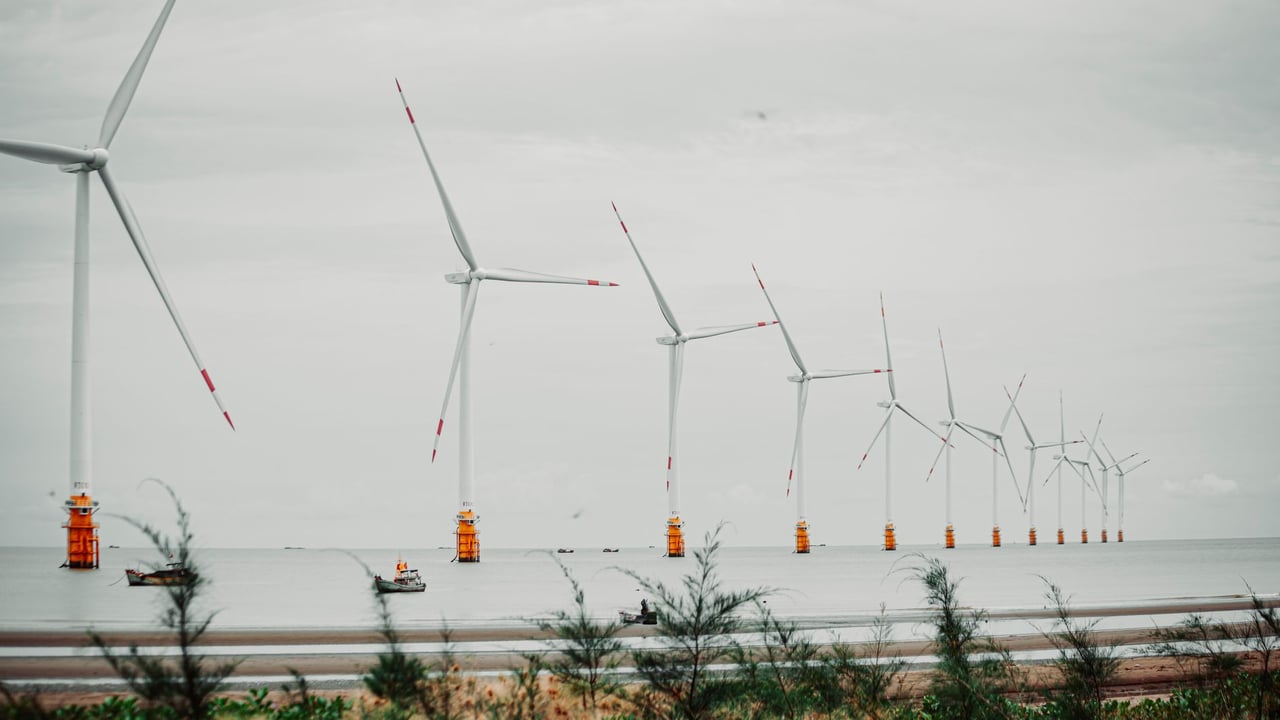
Scenic view of offshore wind turbines lined up in calm sea setting with vegetation in foreground.

Key Takeaways

  • 1BP is negotiating a potential exit from the Yamagata offshore wind project, where it holds a 25% stake.
  • 2This follows similar retreats by Norway’s Equinor and a Mitsubishi Corporation joint venture, citing profitability concerns.
  • 3Japan's offshore wind sector is struggling with high equipment costs, supply chain issues, and a weak Yen.
  • 4Despite government efforts to reform bidding and price mechanisms, foreign energy majors remain wary of the market's long-term returns.
  • 5Failure to retain international partners could jeopardize Japan’s goal of making wind power 4% to 8% of its energy mix by 2040.

Editor's
Desk

Strategic Analysis

The potential retreat of BP from the Yamagata project is more than just a corporate restructuring; it is a symptom of 'Green Fatigue' meeting harsh macroeconomic reality. Japan’s geography makes offshore wind its best bet for energy independence, yet the current fiscal environment is punishing early movers. While METI has adjusted its auction rules to account for inflation, these tweaks may be too little, too late for global firms that can more easily deploy capital into more mature or higher-margin European or North American markets. If Japan cannot stabilize the commercial environment for these projects, its 2040 targets will shift from ambitious to delusional, likely forcing a renewed and controversial reliance on nuclear or imported LNG.

China Daily Brief Editorial
Strategic Insight
China Daily Brief

Japan’s ambitious roadmap toward a renewable energy future has hit another significant snag. British energy giant BP is reportedly weighing an exit from a flagship offshore wind project in Yamagata Prefecture, a move that would make it the first participant to withdraw mid-development from the nation’s third round of large-scale offshore wind auctions. While the project is expected to continue under the leadership of its remaining consortium members, BP’s hesitation serves as a stark warning about the commercial viability of Japan’s green transition.

The project in question, located off the coast of Yuza Town, was awarded to a consortium led by Marubeni in late 2024. BP currently holds a 25% stake, alongside partners Kansai Electric Power, Tokyo Gas, and local builder Marutaka. The potential departure of such a high-profile international player highlights a growing trend of industry heavyweights reassessing their exposure to the Japanese market as logistical and financial hurdles mount.

This development is not an isolated incident. It follows the recent total withdrawal of Norway’s Equinor from the Japanese market and a high-profile exit by a Mitsubishi Corporation-led joint venture from projects in Chiba and Akita. These departures are largely driven by a toxic combination of surging material costs, a persistently weak Yen, and a global supply chain that remains perilously stretched. For global energy majors, the risk-to-reward ratio for Japanese offshore wind is increasingly tilting toward the former.

Japan’s Ministry of Economy, Trade and Industry (METI) has attempted to stem the tide by reforming bidding rules and introducing price adjustment mechanisms. However, the sheer scale of the 2040 target—increasing wind power from roughly 1% to 8% of the national energy mix—requires massive, consistent foreign investment and technical expertise. If the departure of giants like BP becomes a stampede, the financial burden on domestic firms could become unsustainable, potentially forcing a radical reassessment of Japan’s long-term energy security strategy.

Share Article

Related Articles

📰
No related articles found