
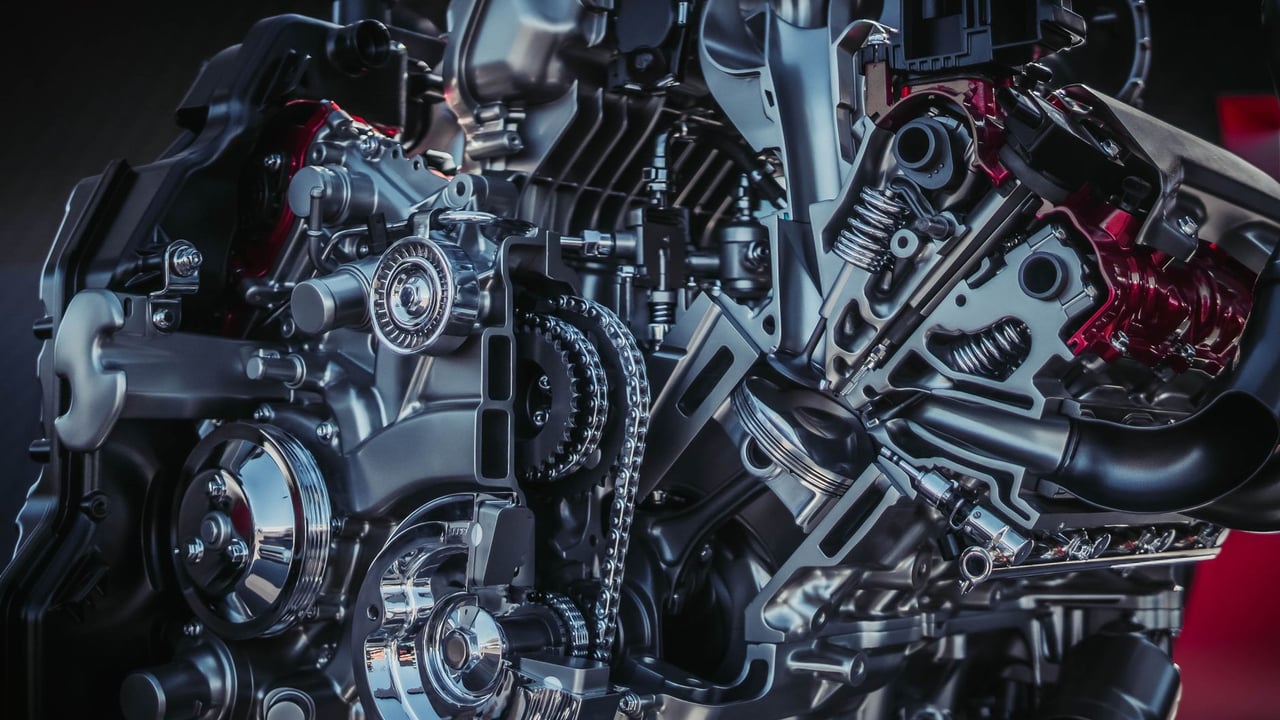

The era of the internal combustion engine (ICE) in China is no longer merely fading; it is undergoing a violent structural reset. In May 2026, the world’s largest auto market reached a watershed moment when, for the first time in history, not a single gasoline-powered vehicle made the list of the top ten best-selling retail models. This psychological and economic barrier was breached as New Energy Vehicle (NEV) penetration surged to a record 62.9%, leaving legacy automakers in a desperate scramble for survival.
Once-dominant 'god-tier' models like the Nissan Sylphy and Volkswagen Sagitar are now seeing their price floors disintegrate. The price of a Sylphy has plummeted to 50,000 RMB ($6,900), while high-end luxury icons like the Land Rover Evoque are being offloaded for under 200,000 RMB. While these 'diving prices' are often bundled with complex subsidies and financing requirements, they signal a fundamental break in the pricing architecture that has governed the Chinese market for three decades.
The volume data is equally grim for traditionalists. In May 2026 alone, retail sales of ICE vehicles fell by 39% year-on-year to just 560,000 units. The decline was universal: Chinese domestic brands, mainstream joint ventures, and even luxury marques saw their ICE volumes contract by 31% to 41%. The Nissan Sylphy, which once boasted a monthly ceiling of 65,000 units, now struggles to move 13,000, illustrating the brutal velocity of the market's shift toward electrification.
This price war has moved beyond a simple promotional tactic into a period of value reconstruction. For many legacy brands, the margin between production cost and retail price has inverted, leading to a massive 'price inversion' crisis for the dealer network. In 2025, over 80% of dealers reported selling cars for less than they paid the factory. This financial bleeding resulted in nearly 5,000 dealership closures in 2025, with another 1,200 shuttering in the first quarter of 2026 alone.
Legacy automakers are now leaning on two remaining 'lifeboats': intelligent hybridization and the massive existing fleet. Brands like Volkswagen and BMW are aggressively partnering with local tech firms to bridge the 'intelligence gap,' hoping that 'oil-electric intelligence' can win back tech-savvy consumers. Meanwhile, the sheer scale of the 322 million ICE vehicles already on Chinese roads ensures a long, profitable tail for maintenance, insurance, and the secondary market, even as new car sales continue to evaporate.
Ultimately, the 'price collapse' represents the final transfer of value-definition power. In the Chinese market, the prestige and premium once commanded by European and Japanese engineering have been replaced by the software, battery efficiency, and smart ecosystems of domestic EV champions. The traditional market logic—that price cuts can always buy volume—has finally broken; in 2026, even at rock-bottom prices, the combustion engine is increasingly seen as a relic of a bygone century.