
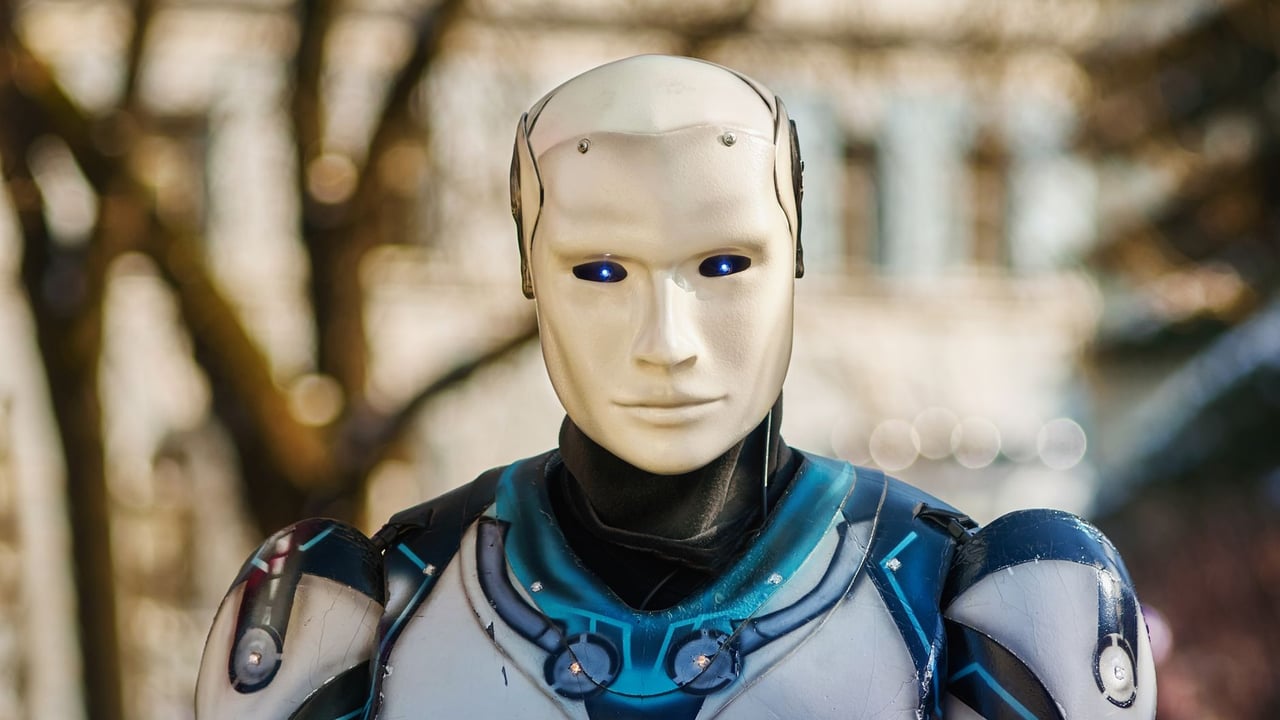

For the casual observer scrolling through social media, the sight of a multi-million-dollar humanoid robot stumbling over a curb or collapsing during a presentation is a source of comedic relief. Yet for the engineers behind these machines, these viral 'blooper reels' represent a terrifying liability. As 200-pound bipeds powered by autonomous AI begin to step out of the laboratory and into the workplace, the industry is grappling with a grim reality: a machine designed to mimic human movement possesses the physical power to be unintentionally lethal.
The history of robotics is already punctuated by tragedy, even before the widespread deployment of humanoid models. In late 2023, a worker at a South Korean distribution center was crushed to death by a stationary robotic arm that mistook him for a box of peppers. Unlike these fixed industrial arms, the new generation of humanoids—such as Tesla’s Optimus or Agility Robotics’ Digit—are mobile, unpredictable, and capable of generating force far exceeding human thresholds. A recent lawsuit against Figure AI alleges that their latest model can exert a punch twice as powerful as what is required to shatter a human skull.
The commercial stakes are staggering, with Morgan Stanley projecting a $7.5 trillion market for humanoid robots by 2050. However, this entire valuation hinges on the industry’s ability to prevent a 'catastrophic trust event.' If the first fatal accident involving a humanoid occurs in a public space—a restaurant, a mall, or a sidewalk—the resulting regulatory freeze and public outcry could derail the sector for decades. Manufacturers are currently racing to deploy units in factories, yet most are still operating within 'glass cages' to prevent human contact.
Technically, the challenge of 'falling safely' is more complex than it appears. Traditional industrial robots can be rendered safe by cutting their power, but a bipedal robot that loses power becomes a falling 200-pound projectile. In response, companies are seeking innovative fail-safes. Neura Robotics has designed joints that 'implode' inward during a failure to avoid hitting bystanders, while others are abandoning legs entirely in favor of wheeled bases with lower centers of gravity to ensure stability.
Compounding the physical danger is a profound regulatory vacuum. The international safety standard for mobile walking robots, ISO 25785-1, is currently only in draft form and is not expected to be finalized until at least 2026 or 2028. In the United States, OSHA inspectors are forced to rely on the General Duty Clause of the 1970 Occupational Safety and Health Act—a law written before the invention of the personal computer—to oversee the most sophisticated AI hardware on the planet.
Ultimately, the industry faces a paradox: to make robots safe, they must be allowed to fail and fall thousands of times to gather training data. As Meta’s Yann LeCun notes, a four-year-old child has processed fifty times more real-world data than the largest AI models. Until robots can bridge this 'experience gap' through safe simulation and controlled real-world exposure, the line between a helpful assistant and a dangerous liability remains perilously thin.