
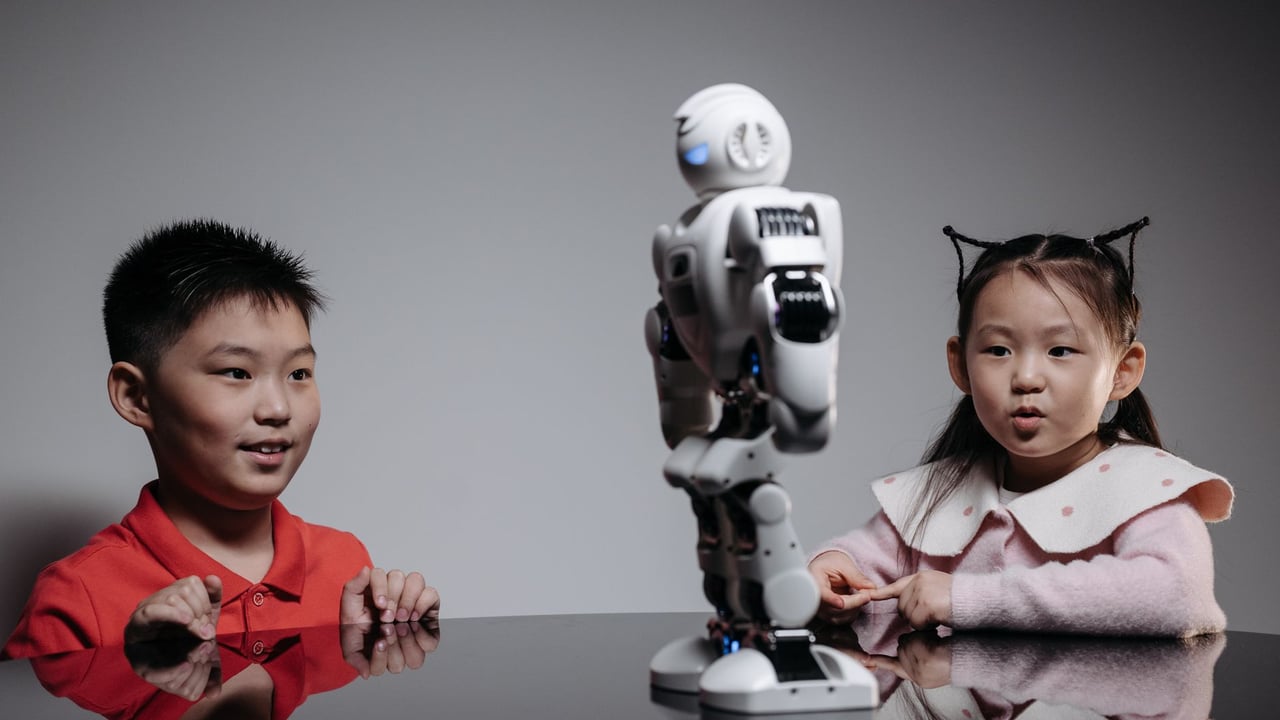

Beijing is positioning itself as the undisputed epicenter of the global robotics industry as the 2026 World Robot Conference (WRC) prepares to open its doors on August 19. Set in the Yizhuang economic-technological hub, the event is expected to feature over 2,000 exhibits and more than 150 new product launches. This scale underscores a period of frantic innovation in autonomous systems and humanoid machines as China seeks to cement its technological sovereignty.
This year’s theme, "Coexistence of Man and Machine," signals a strategic shift from pure industrial automation toward integrated domestic and service roles. With a 36% increase in exhibitors and a doubling of concurrent forums, the conference serves as a barometer for China’s accelerating "Robotics +" initiative. The event aims to move beyond the factory floor, showcased by the introduction of a dedicated "Robot Consumption Street" that blends high-tech robotics with culinary and cultural experiences.
Central to the conference is the formalization of the Central Enterprise Robot Innovation Consortium, directed by the State-owned Assets Supervision and Administration Commission (SASAC). This move reflects Beijing’s preference for state-led development, consolidating resources from national giants to break bottlenecks in high-end components like sensors and actuators. Furthermore, the "Global Robot Application Exploration Plan" will be launched to offer mass-produced hardware to international teams, an overt attempt to influence global standards and ecosystems.
Economically, the stakes are high as China’s working-age population continues to contract. Recent data from the Ministry of Industry and Information Technology (MIIT) shows that revenue for major robotics firms surged nearly 27% in early 2026, reaching 90 billion RMB. This sustained growth, averaging over 20% annually for the last five years, highlights how automation has become the primary hedge against demographic decline and rising labor costs.