
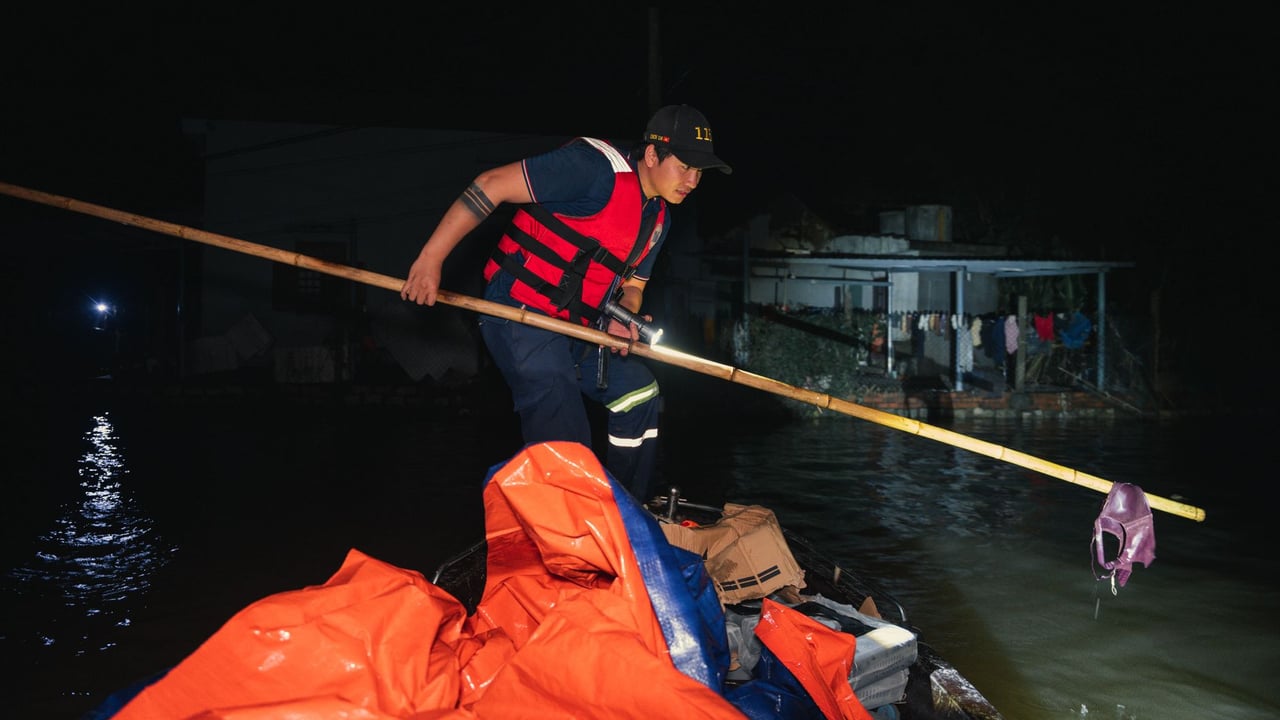

As heavy rains from Typhoon Maysak battered Guangxi province, pushing critical infrastructure to the brink, China’s largest e-commerce entity, Alibaba, swiftly pivoted from retail to relief. In Nanning and Guigang, where several reservoirs are facing overflow risks and potential breaches, the tech giant’s logistics arm has become a vital component of the emergency response. The first wave of assistance included 10,000 units of emergency lighting and 2,500 food packages, targeted at residents trapped by rising water levels.
The deployment of Cainiao, Alibaba’s logistics powerhouse, highlights a growing trend in China: the integration of private tech infrastructure into the state’s disaster management framework. Rather than just providing financial donations, Alibaba is leveraging its physical supply chain and real-time data capabilities to reach remote disaster zones. This logistical agility is often faster than traditional bureaucratic channels, providing a necessary bridge in the critical early hours after a disaster strikes.
Collaborating with the One Foundation and leveraging its 'Philanthropy Baby' merchant platform, Alibaba has effectively crowdsourced the funding for this relief effort from its vast ecosystem of small businesses. This model turns millions of daily transactions into micro-contributions, creating a sustainable pool of capital for rapid deployment. It also serves a secondary purpose for the company: demonstrating 'Common Prosperity' in action by aligning corporate interests with social stability and state objectives.
As climate-related disasters like Typhoon Maysak become more frequent and severe in southern China, the reliance on big tech for disaster resilience is likely to deepen. For the residents of Nanning, where floodwaters have already claimed lives and displaced thousands, the arrival of these supplies is a local necessity. For Alibaba, it is a high-stakes demonstration of its utility as a national champion that can provide much more than just consumer goods.