
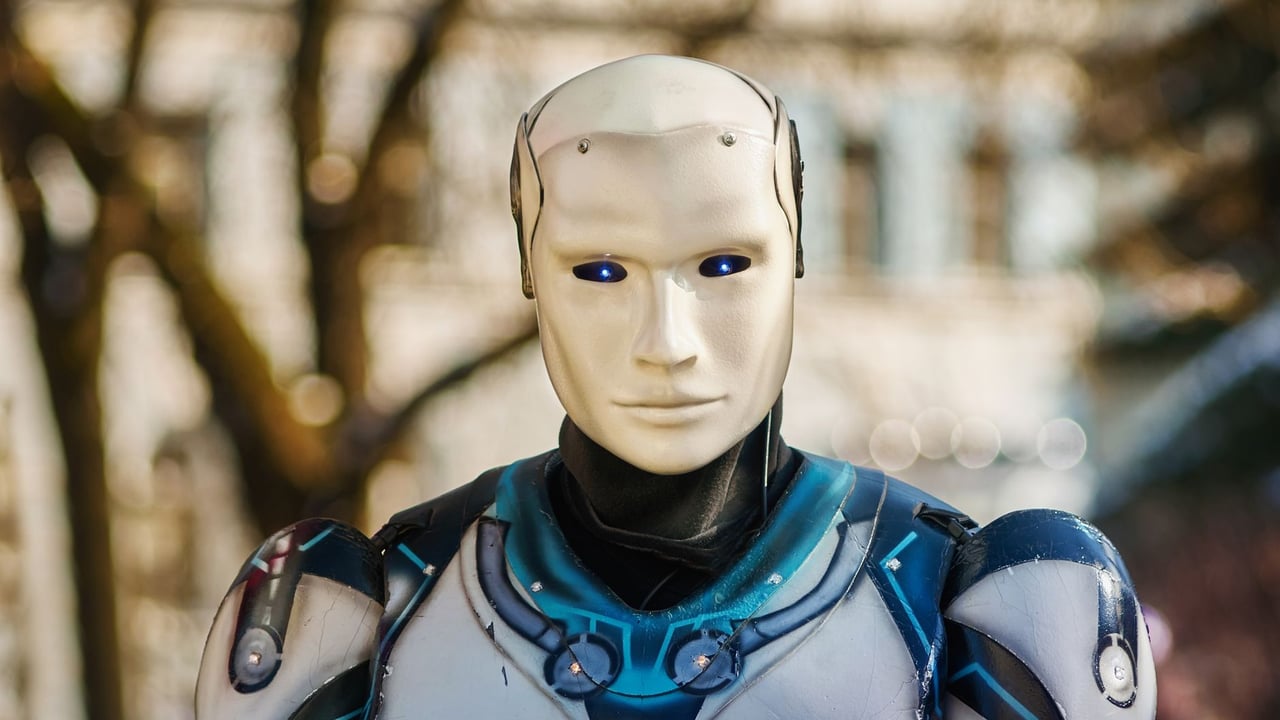

The era of generative artificial intelligence is moving beyond the confines of the digital screen and into the physical world. Goldman Sachs identifies "Physical AI"—the integration of intelligence into robots, drones, and industrial equipment—as the next major paradigm shift for the global economy. This transition represents a leap from mere text generation to navigating the messy, unpredictable complexities of the tangible environment.
Current projections suggest a staggering growth trajectory for the humanoid robot market, scaling from a modest 20,000 units in 2025 to over 1.4 million by 2035. This nearly seventy-fold increase reflects an anticipation of significant breakthroughs in both hardware reliability and edge computing. While the initial steps remain tentative, the roadmap points toward a world where humanoid laborers are no longer a curiosity but a commercial necessity.
Unlike Large Language Models (LLMs), which operate in the digital vacuum of data, Physical AI must contend with the unforgiving laws of physics. Engineers are now grappling with variables such as gravity, friction, material resistance, and thermal constraints that a chatbot never has to face. Success in this field requires a robot to not only understand language but to execute precise movements safely within a shared space alongside human workers.
The economic impetus for this shift is driven primarily by a deepening global labor crisis, particularly in the manufacturing and logistics sectors. In the United States alone, over one million vacancies exist in material handling roles, a gap that traditional human recruitment has failed to bridge. Consequently, the commercial deployment of these machines is expected to reach critical mass between 2027 and 2029, as costs decline and operational capabilities mature.