
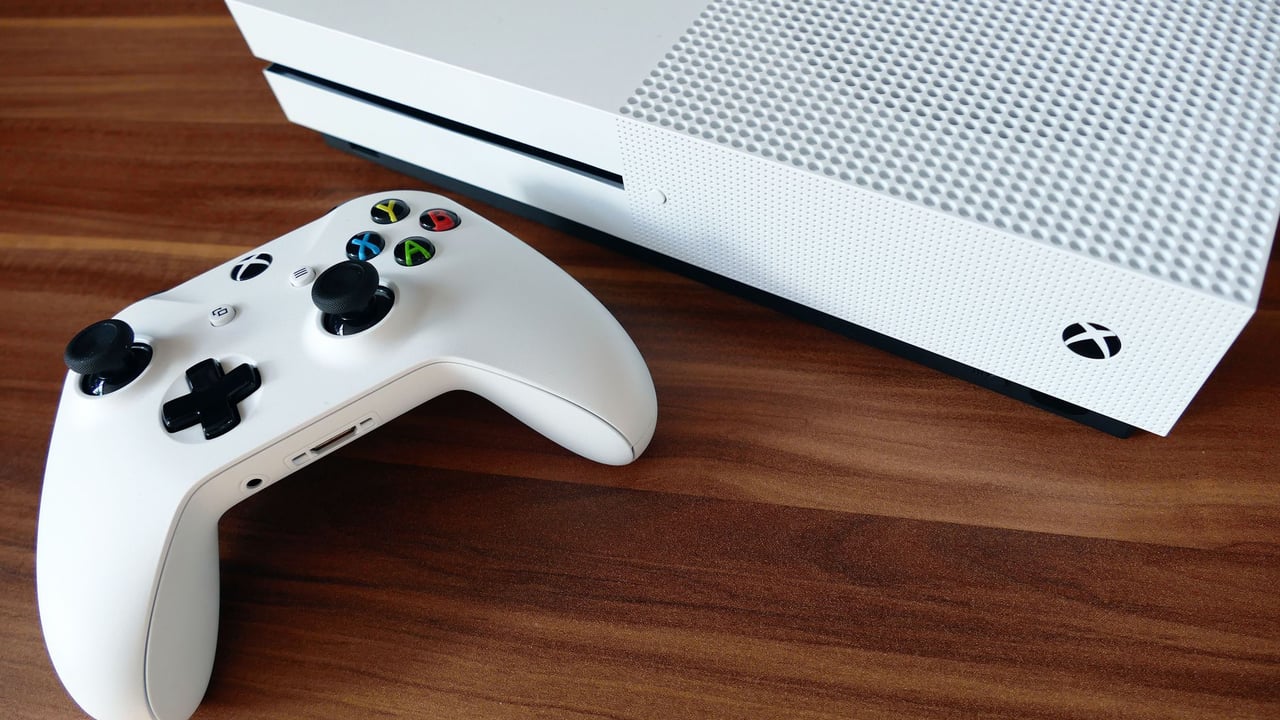

Microsoft has initiated a sweeping restructuring of its gaming division, signaling the end of an era of aggressive expansion that culminated in the $69 billion acquisition of Activision Blizzard. The tech giant is cutting approximately 6,400 positions across the company, with 3,200 roles—nearly 20% of the workforce—coming directly from Xbox. This retrenchment reflects a stark reality: the financial model that underpinned the Xbox ecosystem for the last decade is no longer sustainable in a market dominated by rising costs and shifting corporate priorities.
Internal documents and communications from newly appointed Xbox CEO Asha Sharma describe the business as 'unhealthy.' In a candid assessment, Sharma revealed that Xbox margins are currently a mere third to a tenth of those seen at rival platforms and publishers. Perhaps most shocking is the disclosure that in a typical year, Xbox loses 64 cents for every dollar invested. With Game Pass growth hitting a plateau, Microsoft is abandoning its goal of owning every 'excellent independent studio' to focus on a leaner, more profitable core.
As part of this retreat, Microsoft is offloading or spinning off five major game studios. Ninja Theory and Undead Labs, the developers behind Hellblade and State of Decay, will be sold to undisclosed buyers. Meanwhile, Double Fine and Compulsion Games will return to their independent roots as private entities led by their original founders. The future of Arkane Studios, located in France, remains uncertain as Microsoft navigates strict local labor laws while weighing a potential sale or shutdown.
This strategic pivot is deeply intertwined with Microsoft’s broader obsession with Artificial Intelligence. While the layoffs are not a direct replacement of humans by AI, the company is aggressively reallocating resources to build the massive data centers required for the AI era. These investments are putting an immense squeeze on the gaming budget, especially as AI-driven demand for memory and storage is projected to quintuple hardware costs by 2027. Xbox is essentially being forced to cannibalize its creative outskirts to pay for Microsoft's silicon future.
Moving forward, the remaining Xbox organization will be consolidated around 'Big IP'—massive, established franchises like Fallout, The Elder Scrolls, and Doom. By flattening management structures and focusing strictly on blockbuster titles, Microsoft hopes to salvage a profit margin that has remained elusive despite years of billion-dollar spending sprees. For the broader gaming industry, this move signals a cooling of the 'M&A fever' and a return to a more cautious, hits-driven business model.