

Shanghai is once again positioning itself at the epicenter of the global technology race as it hosts the latest World Artificial Intelligence Conference (WAIC). This year’s event marks eight years of continuous expansion, having grown into a premiere forum for over 8,000 top-tier experts and 3,000 leading enterprises. However, the true significance lies not in the numbers, but in the city’s increasingly surgical approach to industrial policy.
Tang Wenkan, Director of the Shanghai Municipal Commission of Economy and Informatization, recently detailed a highly specialized layout for the conference that reflects a broader national strategy. Instead of a centralized exhibition, the event is partitioned across three distinct zones: Pudong Expo, Xuhui West Bund, and Zhangjiang. This spatial distribution is designed to mirror the actual industrial clusters Shanghai is fostering to achieve technological self-sufficiency.
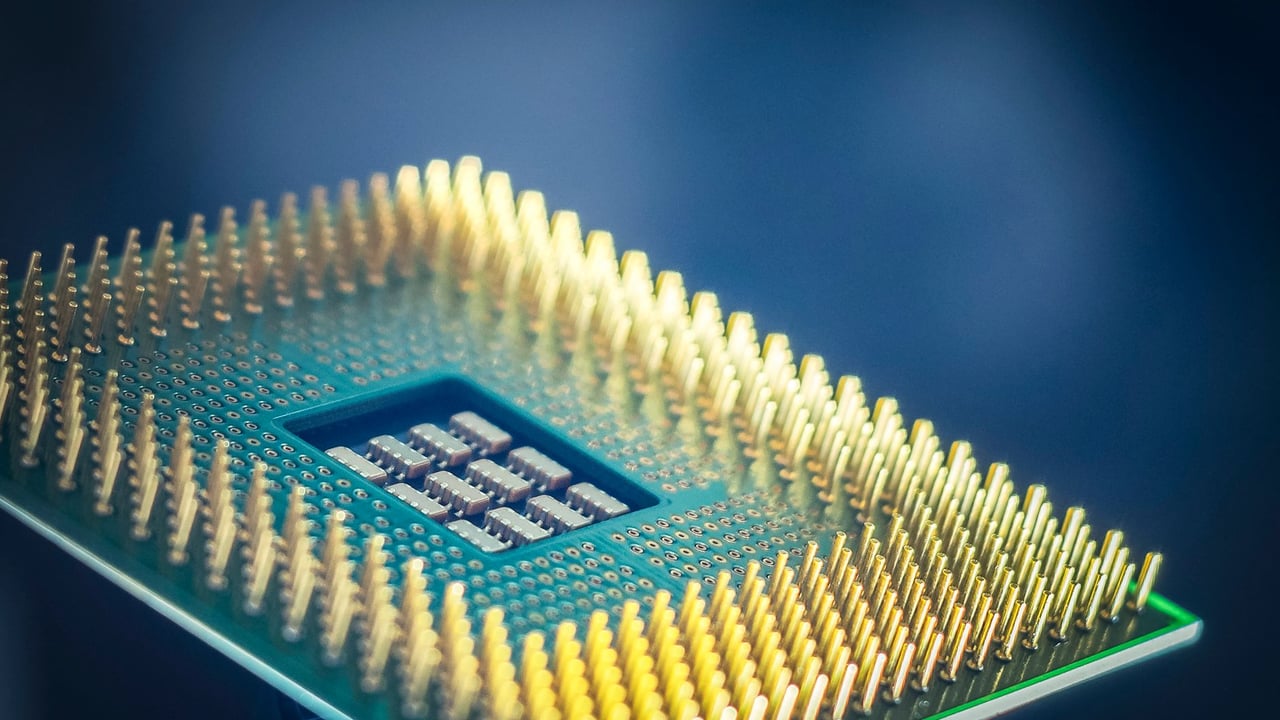
The most critical of these clusters is Zhangjiang, which has been designated the hub for "hardcore" products and AI chips. As global competition for advanced semiconductors intensifies, Zhangjiang represents China's frontline effort to domesticate the silicon supply chain. By isolating hardware development in this high-tech park, the city aims to foster deeper synergy between chip designers and the massive computational needs of emerging domestic AI models.
Contrasting the industrial focus of Zhangjiang, the Xuhui West Bund venue is dedicated to the consumer-facing side of the revolution. Here, the focus shifts to smart terminals and the intersection of AI with entertainment and culture. This dual-track strategy highlights a realization among Chinese planners: while software and consumer platforms drive current economic growth, the long-term survival of the ecosystem depends on mastering the "hardcore" hardware infrastructure.
Furthermore, the 2026 landscape signals a transition for humanoid robotics from experimental novelties to the "consumer era." As hardware bottlenecks in memory and compute are addressed, the conference showcases a future where AI is increasingly embodied in physical machines. This evolution from screen-based algorithms to physical agents is the next major frontier Shanghai hopes to dominate on a global scale.