Beyond the Bridge: Beijing Uses War Anniversary to Reinforce National Resilience

China marks the 89th anniversary of the Lugou Bridge Incident with a nationalistic call for self-strengthening and resilience. The state-led commemoration serves to link historical resistance with modern geopolitical and economic challenges.

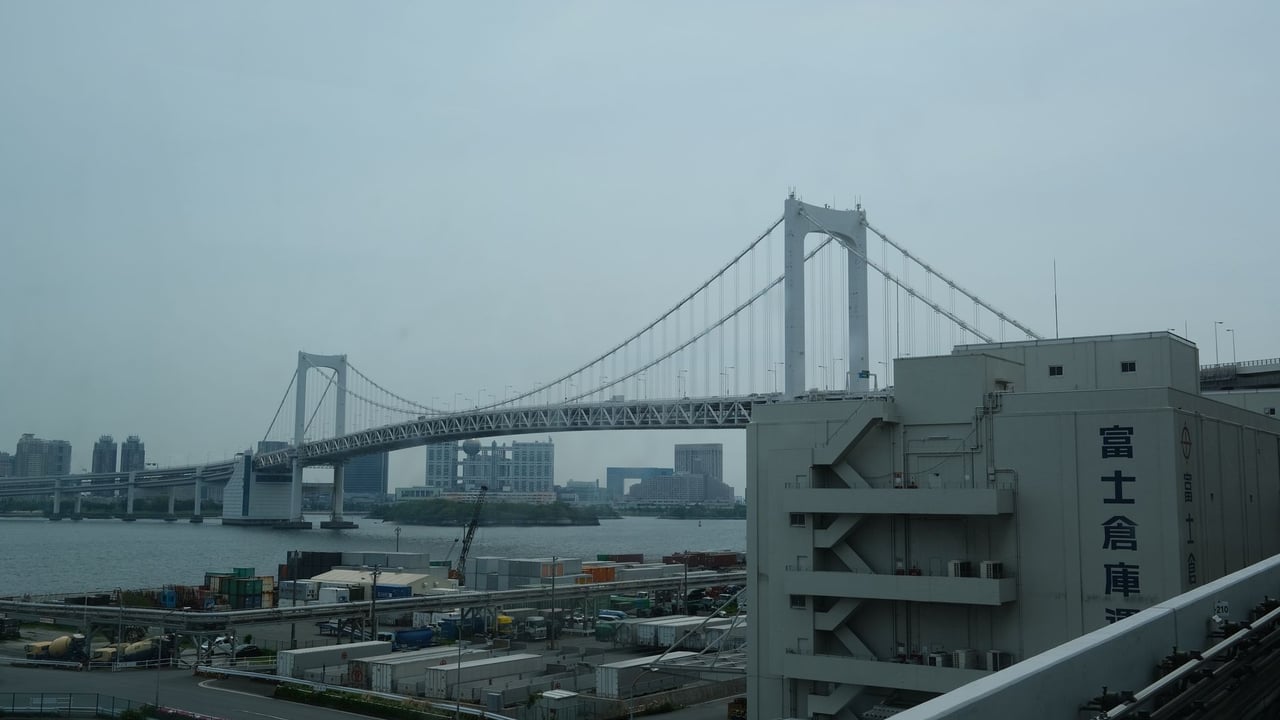
Scenic view of the iconic Rainbow Bridge in Tokyo, Japan on a calm day.

Key Takeaways

  • 1The 89th anniversary of the July 7th Incident serves as a catalyst for state-sanctioned patriotism and national unity.
  • 2State rhetoric has shifted focus from historical victimhood to the modern necessity of 'self-strengthening' (ziqiang).
  • 3Historical grievances against Japan are utilized to contextualize current regional security tensions and military normalization.
  • 4The commemoration reinforces the Communist Party's role as the primary defender of Chinese sovereignty and the driver of national rejuvenation.

Editor's
Desk

Strategic Analysis

The persistent elevation of the July 7th Incident highlights how historical memory in China is meticulously curated to serve contemporary political goals. While the event is ostensibly about the past, it is fundamentally a forward-looking exercise in domestic cohesion. By framing modern technological and economic challenges as an extension of the resistance against 20th-century imperialism, Beijing creates a narrative where national development is synonymous with national survival. This ensures that the public views state-directed growth—and the potential sacrifices it may require—not just as a policy choice, but as a historical necessity to prevent future humiliation.

China Daily Brief Editorial
Strategic Insight
China Daily Brief

As dawn broke over Beijing on July 7, 2026, the sirens across the capital served as a stark reminder of 1937. The 89th anniversary of the Lugou Bridge Incident—the skirmish that ignited the Second Sino-Japanese War—remains a cornerstone of the Communist Party’s political calendar. This year, the state-run media, led by Xinhua, has focused less on the carnage of the past and more on the imperative of "self-strengthening."

The 1937 incident is not merely a historical footnote but a central pillar of China’s "Century of Humiliation" narrative. By positioning the resistance against Japanese aggression as the crucible of the modern Chinese state, Beijing reinforces its mandate as the sole protector of national sovereignty. The message to the domestic audience is clear: economic and technological parity is the only shield against the return of foreign encroachment.

This commemorative fervor arrives at a sensitive moment for regional security. Japan’s ongoing military normalization and its strengthening ties with Washington provide a contemporary backdrop for these historical grievances. For Beijing, the July 7th anniversary is a potent diplomatic tool, signaling to Tokyo and its allies that the scars of the mid-20th century remain close to the surface and continue to inform current foreign policy.

Ultimately, the call for "self-strengthening" (ziqiang) reflects the broader "China Dream" and the pursuit of national rejuvenation. In an era of decoupling and strategic competition, these anniversaries serve to steel the public for long-term endurance. The narrative of past victimhood is successfully pivoted toward a future of perceived invulnerability through indigenous innovation and military modernization.

Share Article

Related Articles

📰
No related articles found