Cartography of Conquest: Newly Unveiled Maps Bolster China’s Narrative of Premeditated Japanese Aggression

A newly donated Japanese military map and diaspora correspondence in Zhijiang provide fresh evidence for China's argument that Japanese aggression was a long-term strategic plan. The artifacts, unveiled on the anniversary of the Marco Polo Bridge Incident, highlight the importance of historical memory in contemporary Chinese domestic and foreign policy.

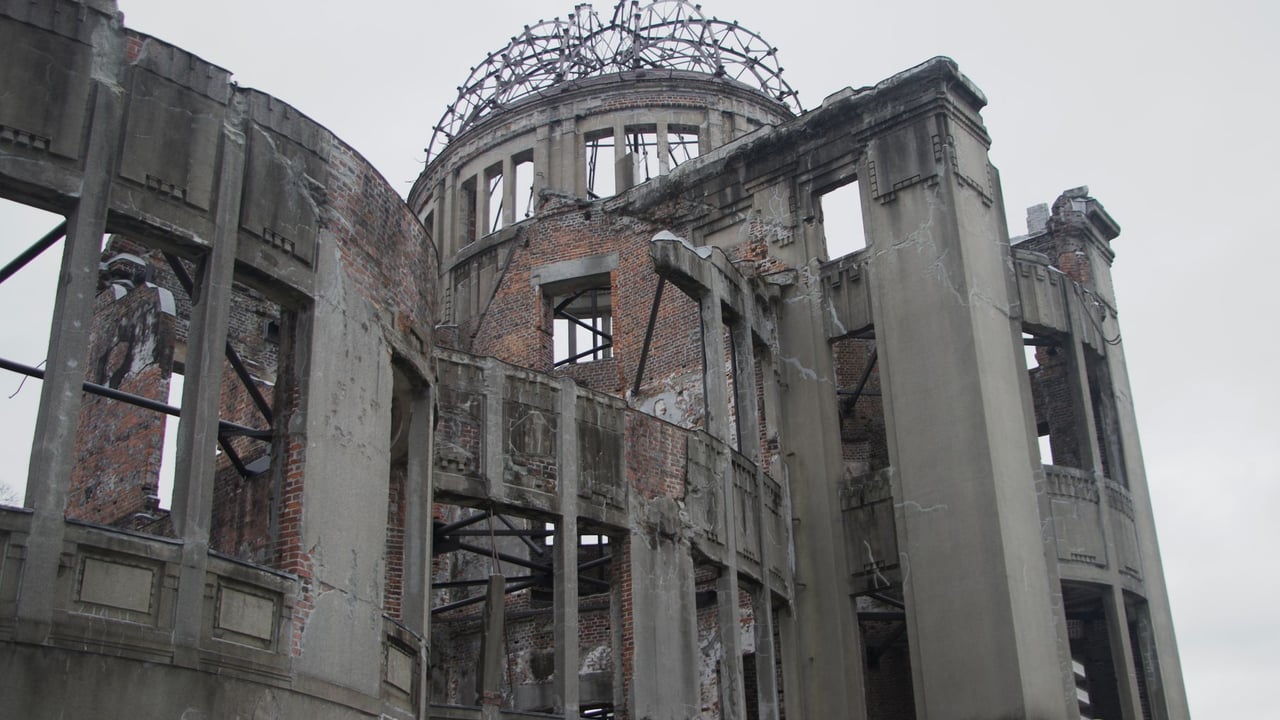
The iconic Hiroshima Peace Memorial Dome stands as a solemn reminder of history in Japan.

Key Takeaways

  • 1A pre-Russo-Japanese War map reveals extensive Japanese strategic mapping of Chinese infrastructure and telecom lines.
  • 2The donation includes 'qiaopi'—historical letters and remittances from overseas Chinese supporting the war effort.
  • 3The artifacts were presented in Zhijiang, the historically significant site of Japan’s 1945 surrender in China.
  • 4Museum attendance in Zhijiang reached 1.5 million in six months, signaling robust public engagement with state-sanctioned historical narratives.
  • 5Chinese officials use these findings to argue that the invasion of China was a 'set national policy' rather than a spontaneous conflict.

Editor's
Desk

Strategic Analysis

This revelation is a classic example of 'history as a weapon' in East Asian geopolitics. By showcasing maps that predate the 1937 invasion, Beijing is reinforcing a narrative of Japan as an inherently expansionist power, a sentiment that frequently colors modern maritime and territorial disputes. The focus on 'qiaopi' is equally strategic, as it strengthens the bond between the Chinese Communist Party and the global diaspora, framing the latter as essential pillars of national rejuvenation. In the current climate of cooling Sino-Japanese relations, the emphasis on 'premeditated aggression' serves to justify China's modern military buildup as a defensive necessity to prevent the repetition of past humiliations.

China Daily Brief Editorial
Strategic Insight
China Daily Brief

On the sensitive anniversary of the Marco Polo Bridge Incident, local authorities in Zhijiang, Hunan, unveiled a series of historical artifacts that aim to reshape the narrative of early 20th-century East Asian expansionism. The donation to the Memorial Hall of the Victory of the Chinese People's War of Resistance Against Japanese Aggression includes a meticulously detailed Japanese map produced prior to the Russo-Japanese War.

Known as the 'Detailed Map of Japan, Russia, Qing, and Korea,' the document provides a granular view of Northeast China, highlighting strategic vulnerabilities and infrastructure. By cataloging railways, telecommunication lines, and maritime routes long before the formal outbreak of hostilities, the map serves as a silent witness to what Beijing describes as a 'premeditated state policy' of continental hegemony rather than a series of accidental escalations.

The timing and location of this disclosure are deeply symbolic. Zhijiang was the site of Japan’s first major surrender ceremony on Chinese soil in 1945, and July 7 remains a cornerstone of China's national memory, marking the start of full-scale resistance. The inclusion of 'qiaopi'—remittances and letters from the overseas Chinese diaspora—further emphasizes the 'Total War' aspect of the era, highlighting a unified front that spanned the globe.

Attendance at such memorial sites is surging, with the Zhijiang museum reporting nearly 1.5 million visitors in the first half of the year alone. This surge reflects a broader state-led effort to cement 'Patriotic Education' and ensure that the complexities of the 'Century of Humiliation' remain central to the modern Chinese identity. These artifacts are more than mere relics; they are tools of historical legitimacy in an era of renewed regional tension.

Share Article

Related Articles

📰
No related articles found