
Policy & Regulation News
Latest policy & regulation news and updates
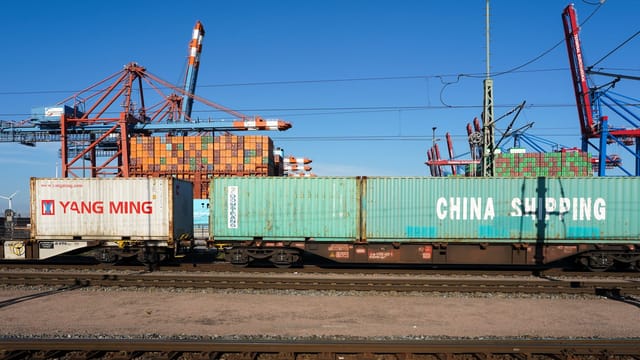
China Trains Over 100 Industry Media Heads on Party Ideology and Reform
Senior editors and publishers gathered in Beijing to align specialized outlets with official Party building concepts and technological modernization.

China Calls for Stronger Regional Food Security at APEC Ministerial Meeting
Vice Premier Liu Guozhong outlines four proposals in Hangzhou to boost agricultural capacity and stabilize supply chains.

China's 31 Provincial Regions Report Stable First-Half Fiscal Operations
Local government fiscal disclosures reflect steady revenue and expenditure trends across all mainland provinces and municipalities.
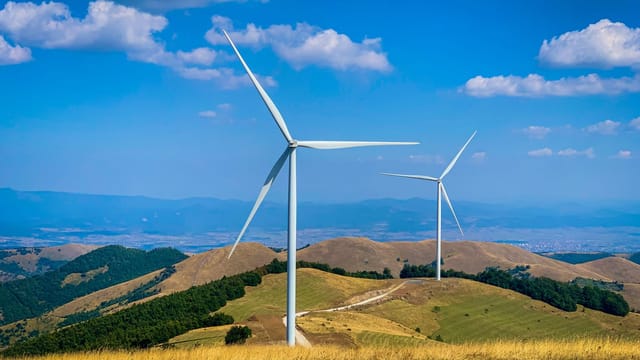
China Reports Ecological and Environmental Improvements in Early 2026
Official state media reporting highlights continued improvements in environmental indicators during the first seven months of the 15th Five-Year Plan's opening year.

China Revises Accountability Measures for Officials Over Ecological and Environmental Damage
Updated central rules establish lifetime accountability and equal Party-government responsibility for environmental dereliction.

China's Top Legislature Reviews Healthcare and Farmland Bills Amid Economic Review
The NPC Standing Committee convened to deliberate key draft laws, evaluate half-year economic data, and assess rural development progress.
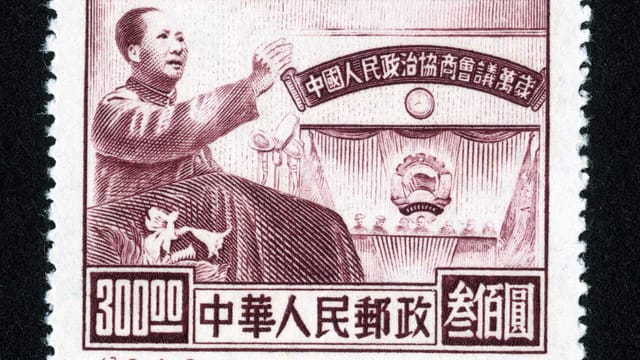
China's Top Political Advisory Body Convenes Session on Livelihoods and Common Prosperity
The CPPCC Standing Committee opened discussions on employment, income distribution, social security, and property development under the 15th Five-Year Plan.

China Signals Counter-Cyclical Push to Stabilize Investment and Growth
Official commentary outlines accelerated fiscal spending, infrastructure rollouts, and monetary support amid a 5.7 percent drop in first-half fixed-asset investment.
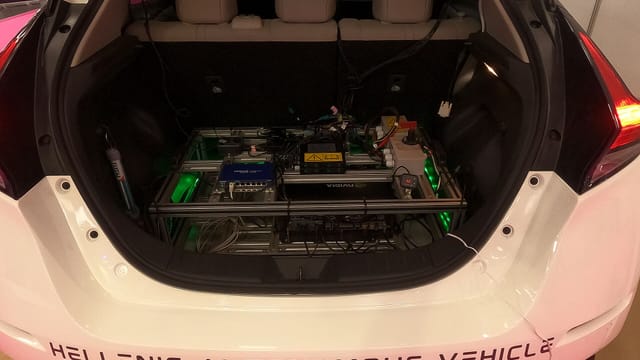
China Reviews Draft Traffic Law Revisions Clarifying Automaker Liability for Autonomous Vehicles
A comprehensive 170-article draft revision of China's Road Traffic Safety Law sets ground rules for self-driving cars, e-bikes, and public road order.
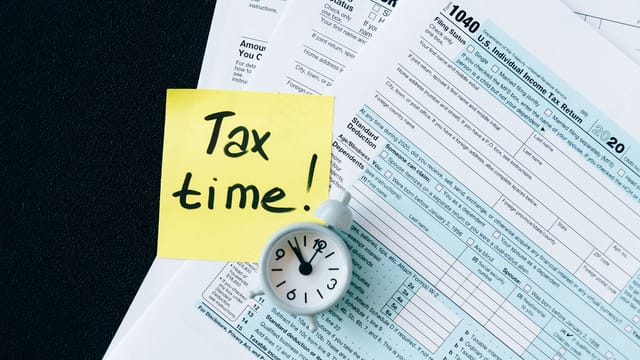
China Expands Tax Refund Reforms to Spur Inbound Tourism Spending
Streamlined paperless procedures and cross-provincial mutual recognition drive sharp growth in departure tax refund claims across major ports.

China Defends 4.7% First-Half GDP Growth as Aligned With Annual Targets
Official state media commentaries emphasize structural upgrades and risk control over headline expansion speed.

Chinese Vice President Han Zheng Meets Kuwaiti Foreign Minister in Beijing
The meeting marked the 55th anniversary of diplomatic ties, focusing on strategic partnership and Middle East peace efforts.