Mach-E Mechanical Flaw: Ford Recalls 42,000 EVs as Quality Struggles Persist

Ford is recalling nearly 43,000 Mustang Mach-E vehicles from model years 2021–2023 due to a defect in the rear differential pinion shaft that may cause mechanical failure. The recall highlights the ongoing quality control challenges Ford faces as it attempts to scale its flagship electric vehicle portfolio.

Share
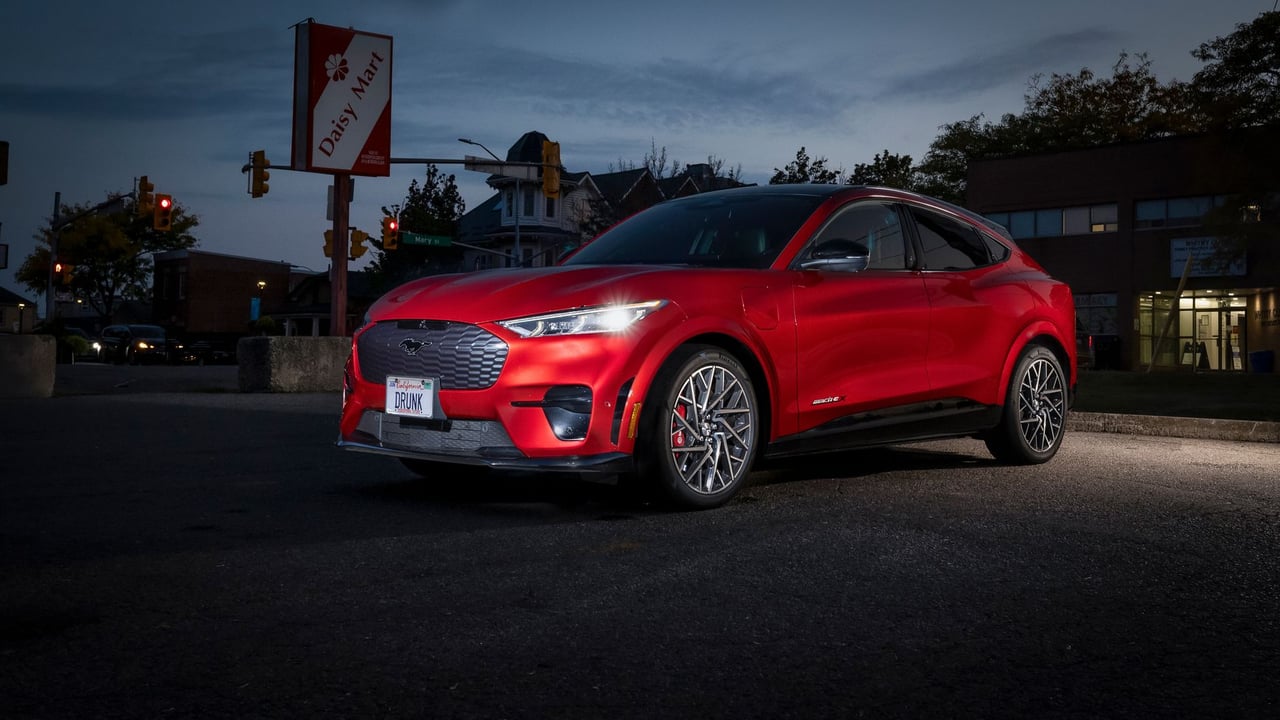
Red Ford Mustang Mach-E electric SUV parked at night in an urban setting.

Key Takeaways

  • 1Recall affects 42,784 Mustang Mach-E vehicles in the U.S. market.
  • 2The issue involves potential fractures in the rear differential active pinion shaft.
  • 3Impacted vehicles span the 2021, 2022, and 2023 model years.
  • 4Failure of the component increases collision risks by causing loss of power or unintended movement.

Editor's
Desk

Strategic Analysis

This recall is a sobering reminder that Ford’s primary battle in the EV era is not just about software or battery chemistry, but about foundational mechanical reliability. While CEO Jim Farley has prioritized 'Quality' as a top internal metric, Ford has consistently topped the charts for the highest number of recalls in the U.S. in recent years. For a flagship product like the Mustang Mach-E, these recurring mechanical issues threaten to erode the brand equity needed to transition loyal internal-combustion customers to electric platforms. In an increasingly crowded market where Chinese manufacturers are lowering costs and Tesla is leveraging manufacturing efficiency, Ford cannot afford the reputational and financial drag of high-frequency safety recalls.

China Daily Brief Editorial
Strategic Insight
China Daily Brief

Ford Motor Company has issued a significant recall for 42,784 Mustang Mach-E electric vehicles in the United States following a safety notification from the National Highway Traffic Safety Administration. The recall specifically targets certain units within the 2021 to 2023 model years, identifying a critical mechanical vulnerability in the vehicle’s powertrain.

Technical assessments indicate that the rear differential active pinion shaft on these models is prone to fracturing. Such a failure can lead to a sudden loss of motive power or an unintended movement of the vehicle while parked, both of which significantly heighten the risk of a collision.

This latest setback comes at a sensitive time for the Detroit-based automaker, which has been aggressively pivoting toward an electric future while simultaneously battling high warranty costs. The Mustang Mach-E, positioned as Ford’s flagship answer to the Tesla Model Y, remains a cornerstone of the company’s strategy to win over the premium EV market.

Despite the brand's ambitious shift toward electrification and high-margin exports, this mechanical failure underscores the persistent manufacturing hurdles that continue to plague legacy automakers. For Ford, maintaining consumer trust in its electric lineup is essential to defending its domestic market share against both agile newcomers and dominant Chinese competitors.

Related Articles

📰
No related articles found