
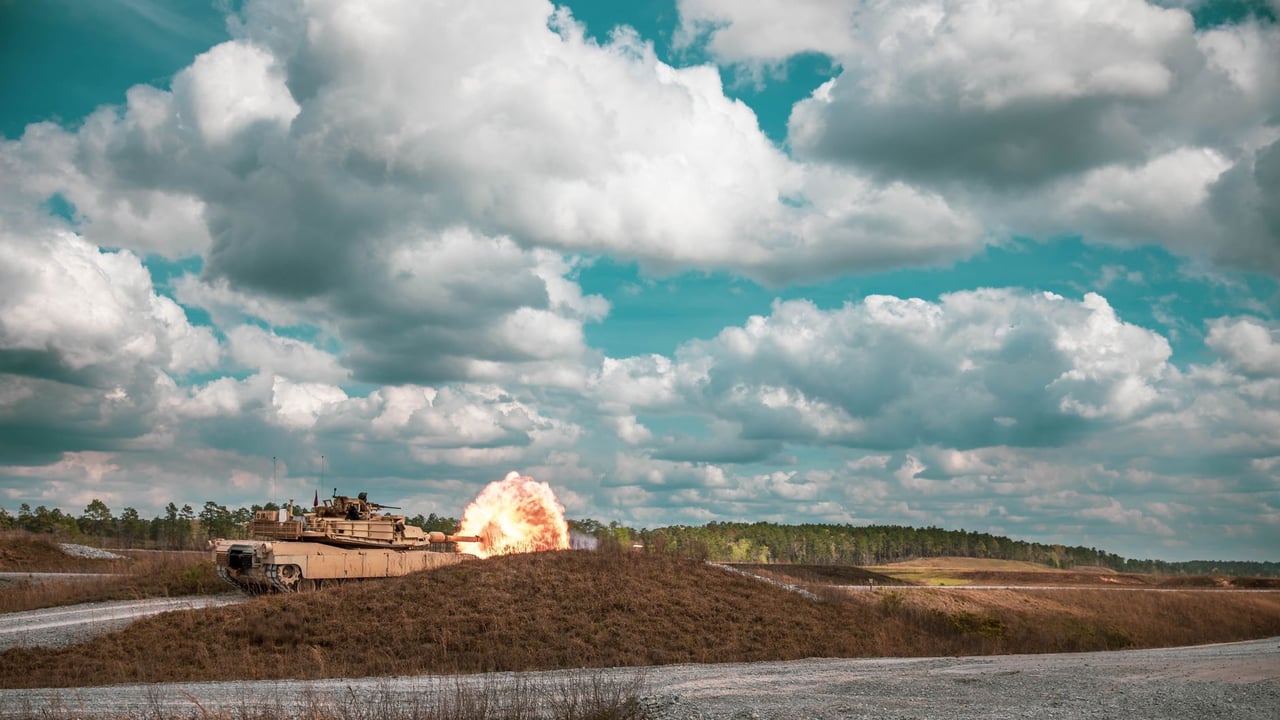

The arrival of the M1A2T Abrams main battle tanks in Taiwan marks a significant milestone in the island’s defense modernization, yet the deployment is being met with sharp derision from Beijing. Critics on the mainland argue that these platforms are effectively 'downgraded' versions of the American original, lacking the high-end depleted uranium armor and the full suite of sensitive electronics found in U.S. Army frontline units. This narrative seeks to frame the multi-billion dollar acquisition as a futile investment in outdated tactical concepts.
While the Abrams is undeniably one of the most powerful ground combat vehicles in existence, its utility in a cross-strait conflict is constrained by Taiwan’s unique geography. Weighing over 60 tons, these behemoths face significant mobility challenges across the island’s narrow bridges, dense urban centers, and soft coastal mudflats. In the eyes of military analysts in Beijing, these constraints, coupled with the People’s Liberation Army’s advancements in drone swarms and precision-guided munitions, may transform these mobile fortresses into stationary targets.
For Taipei, the purchase is as much about political signaling as it is about kinetic capability. The acquisition represents a concrete manifestation of the 'rock-solid' support from Washington and provides a much-needed morale boost to the Republic of China Army, which has long relied on Cold War-era M60 tanks. However, the move forces a difficult strategic question: whether massive investments in traditional heavy armor are compatible with the 'porcupine' strategy of asymmetric warfare that many Western experts advocate for Taiwan’s survival.
Beijing’s response has been characteristically dismissive, framing the deployment as an act of desperation by the current administration. State-affiliated outlets emphasize that no amount of imported hardware can bridge the widening power gap between the two sides of the strait. As these tanks roll off the delivery ships and into Taiwan’s training grounds, they serve as a potent symbol of the escalating arms race and the hardening of positions on both sides of the Taiwan Strait.