
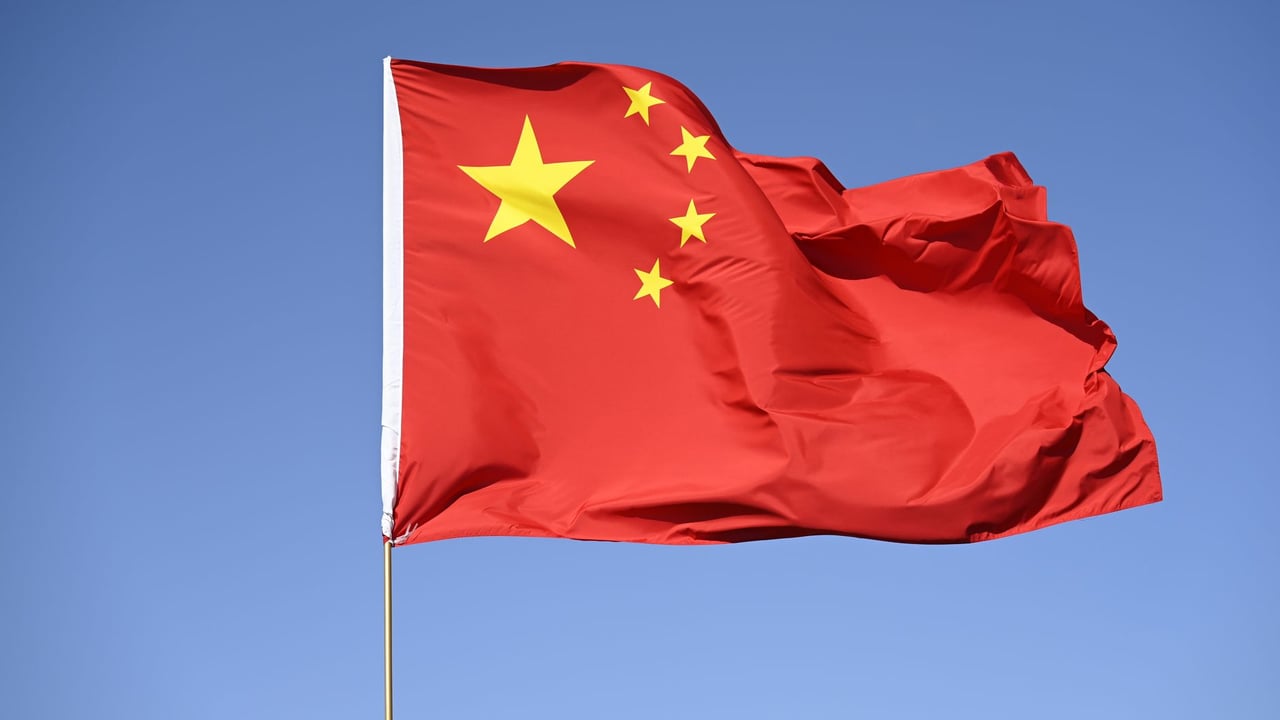

Chinese Foreign Minister Wang Yi’s recent five-day circuit through Denmark, Sweden, Finland, and Norway signals a calculated effort by Beijing to stabilize its northern European flank. By revisiting the historical 'firsts' that define these relationships—such as Sweden’s status as the first Western nation to recognize the People’s Republic—Wang sought to leverage historical goodwill against a backdrop of modern geopolitical friction. The visit highlights a strategic shift toward 'thematic diplomacy,' where China prioritizes areas like green energy and technology to bypass the more contentious security and trade barriers rising in Brussels.
Throughout the tour, the rhetoric from the Chinese delegation shifted from defensive posturing to an invitation for economic 'fitness.' Wang Yi’s metaphor of the Chinese market as a 'gymnasium' for Nordic firms suggests a desire to recalibrate the narrative from one of predatory competition to one of mutual enhancement. This charm offensive is particularly timely as the European Union contemplates broader trade measures against Chinese electric vehicles and state-subsidized industries, which Beijing hopes to mitigate by securing moderate voices within the European Council.
The centerpiece of the mission was 'green diplomacy,' a field where the Nordic countries lead the world. By aligning President Xi Jinping’s environmental philosophies with the decarbonization goals of Copenhagen and Oslo, Beijing is attempting to frame its industrial overcapacity in renewables not as a threat, but as a shared solution for the global climate crisis. This alignment seeks to create a 'green corridor' for cooperation that might remain insulated from the 'de-risking' trends currently dominating the transatlantic discourse.
Despite the cordiality, the geopolitical ceiling of these relationships remains low, primarily due to the ongoing conflict in Ukraine and China’s proximity to Moscow. While Wang Yi reiterated China’s 'four shoulds' framework for a political settlement, the Nordic nations—all now firmly within the NATO orbit—remain wary of Beijing’s strategic ambiguity. The success of this diplomatic foray will ultimately be measured by whether Beijing can translate these 'green' consensus points into a tangible softening of the EU's broader restrictive stance toward Chinese investment.