

Emmanuel Macron’s arrival in Damascus marks a watershed moment for a nation once considered a global pariah. As the first major Western leader to visit since the seismic political shifts of late 2024, the French president is signaling that the era of Syrian isolation is officially over. His low-key arrival, kept secret until he landed, underscores both the immense opportunity and the lingering security fragilities of the "new" Syria.
Relations between Paris and Damascus had been frozen since the outbreak of the civil war in 2011. The "post-Bashar" era, however, has seen a rapid thaw, with Macron positioning France as a primary interlocutor for the transitional government led by President Ahmad al-Salad. By visiting the Syrian capital, Macron is attempting to reclaim France’s traditional role in the Levant, a region where its influence has historically been profound but recently marginalized.
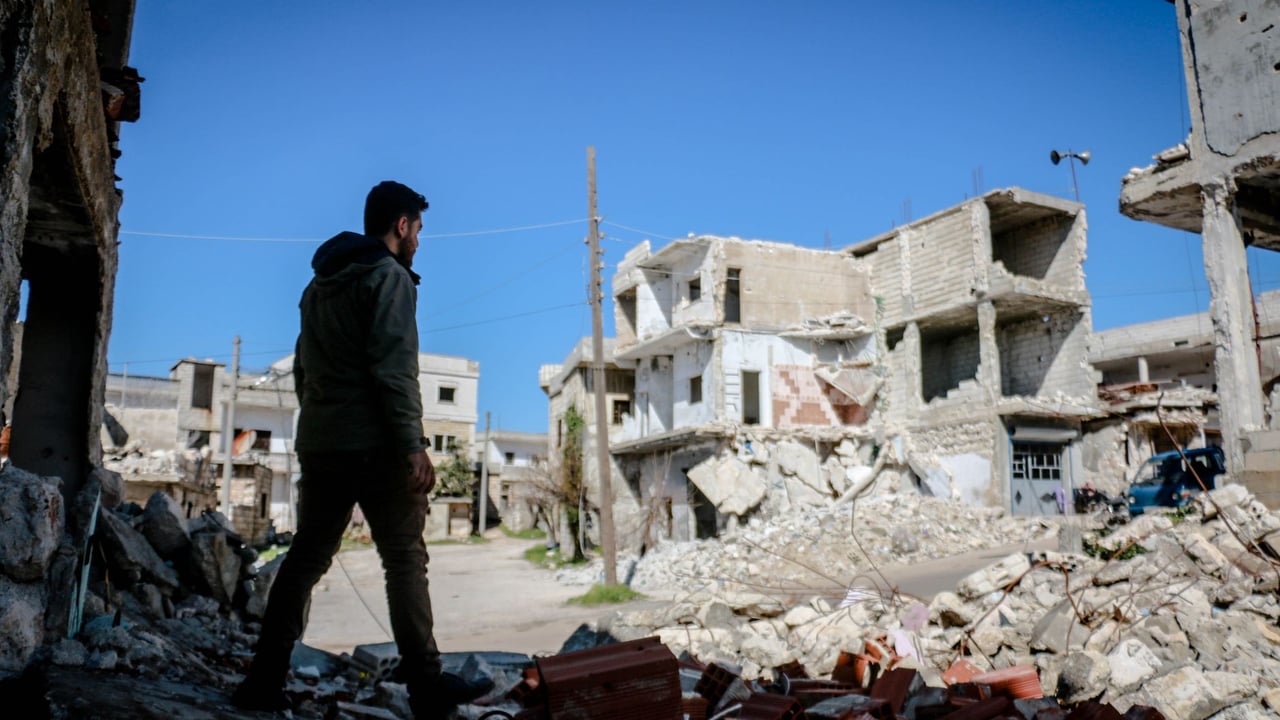
The visit is as much about commerce as it is about diplomacy. Accompanying Macron is a delegation of corporate heavyweights, including executives from TotalEnergies and the shipping giant CMA CGM. With the World Bank estimating reconstruction costs at a staggering $216 billion, France is racing to secure a "reconstruction dividend" before other global powers lock in the most lucrative infrastructure and energy projects.
Security remains a critical pillar of this renewed partnership. While Damascus seeks international legitimacy and investment, Paris requires deep cooperation on counter-terrorism. With French nationals still active within extremist cells in Syria, Macron needs a reliable partner on the ground to prevent the "backflow" of terrorism to European soil. Recent bombings in Damascus serve as a grim reminder that the transition remains fraught with peril.
However, Macron’s ambitions face significant geopolitical headwinds. The lifting of comprehensive international sanctions remains a prerequisite for full-scale reconstruction, a hurdle that depends largely on Washington’s next moves. Furthermore, as the U.S. prepares for its own high-level engagements with the Salad administration, France risks being sidelined if it cannot translate this early diplomatic lead into sustainable influence.