
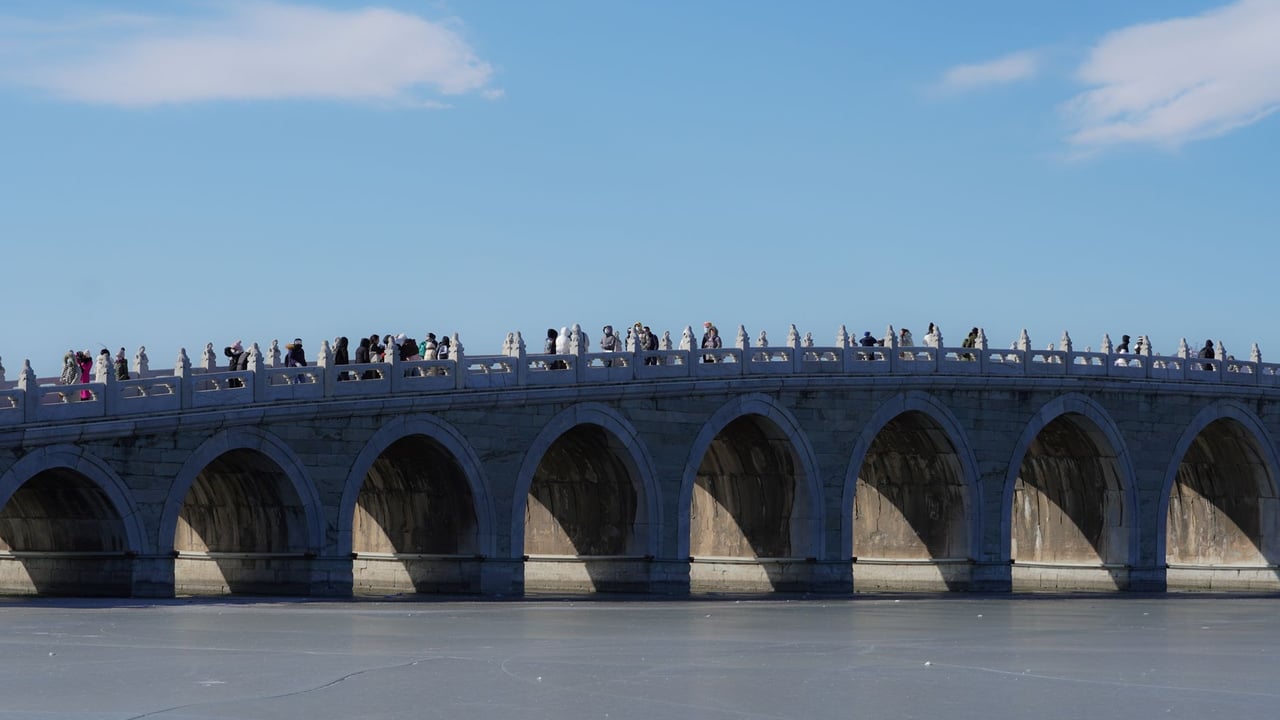

On the 89th anniversary of the Marco Polo Bridge Incident, the physical scars of the 1937 invasion remain etched into the walls of the Wanping Fortress in Beijing. Yet, for policymakers and scholars in China, the primary concern is no longer the damage of the past, but the perceived 'vanishing' of this history from the Japanese national consciousness. Recent moves by Tokyo to alter educational materials and museum narratives have triggered a fresh wave of diplomatic friction, highlighting a deepening divide over the legacy of the Second World War.
At the heart of the dispute is what Beijing characterizes as a systematic campaign of 'historical revisionism.' Analysts point to recent decisions by Japan’s Ministry of Education to approve textbooks that soften the language surrounding wartime atrocities, such as replacing 'forced labor' with more neutral terms like 'recruitment.' Furthermore, the planned rebranding of the Nanjing Massacre as the 'Nanjing Incident' in certain museum exhibits is seen as a deliberate attempt to dilute the severity of the Imperial Japanese Army’s actions.
This ideological shift is not occurring in a vacuum; rather, it is being linked to Japan’s aggressive pivot toward 're-militarization.' As Tokyo moves to increase its defense spending to over 3% of GDP and relaxes its decades-old ban on arms exports, Chinese state scholars argue that a 'dangerous loop' has formed. In this view, historical revisionism provides the ideological justification for dismantling post-war constitutional constraints, while increased military capability creates the political space to further distance the nation from its 'aggressor' status.
Beijing’s critique also highlights a perceived shift in Japan’s public diplomacy, which increasingly emphasizes its own victimhood through the lens of the atomic bombings. By centering the national narrative on Hiroshima and Nagasaki while omitting the preceding expansionist milestones like the Mukden Incident, Japan is accused of cultivating a selective memory. This narrative, according to Chinese experts, not only insults the collective memory of Asian neighbors but also erodes the legal foundations of the post-WWII international order.
The implications of this memory war extend beyond mere rhetoric, potentially poisoning the regional security environment for a new generation. When history is curated to omit the nuances of state culpability, the resulting surge in nationalism can lead to societal isolation and a lack of restraint in foreign policy. For the Indo-Pacific, the synthesis of a revised past and a re-armed future suggests that the ghosts of the 20th century will continue to haunt 21st-century geopolitics.