The Hormuz Illusion: Why Oil’s Relief Rally Masks a Volatile Long Game

While major banks predict an oil price collapse due to stabilizing shipping in the Hormuz Strait, energy experts warn that deep-seated US-Iran tensions and depleted global inventories make a lasting peace unlikely and market volatility inevitable.

Share
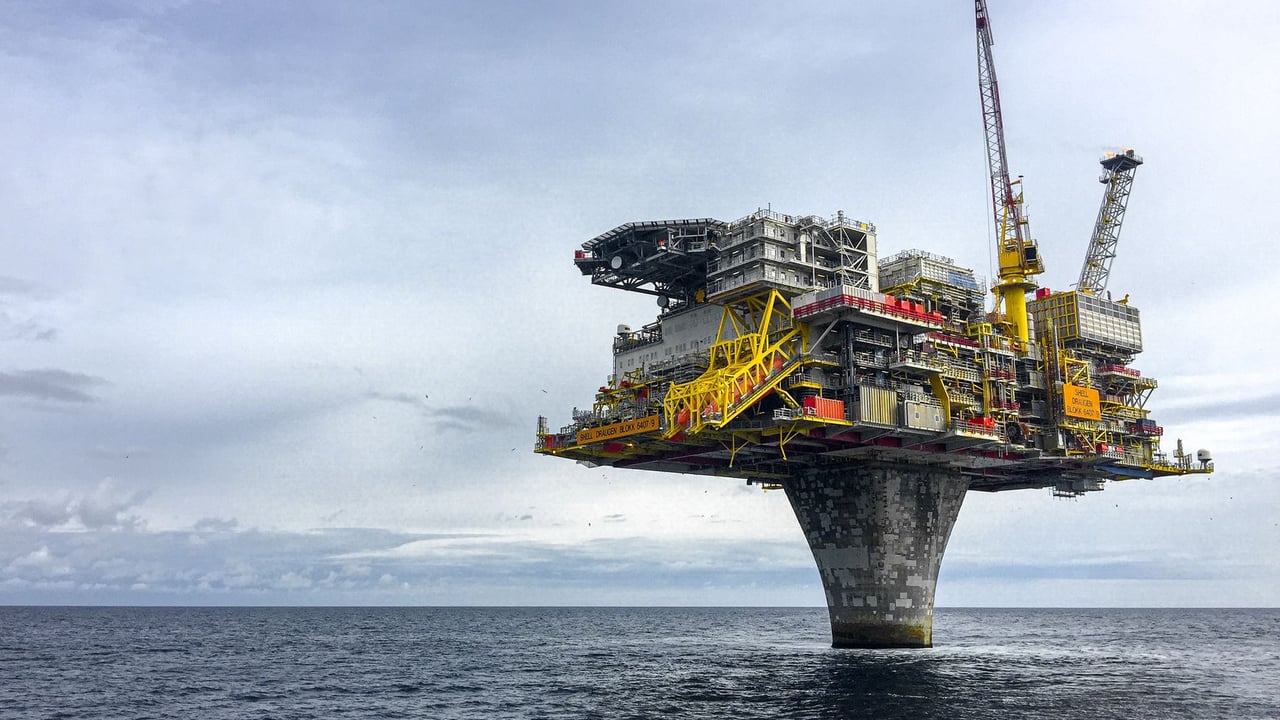
Dramatic view of a large oil platform in Norway's North Sea, symbolizing offshore industry.

Key Takeaways

  • 1Citigroup and Morgan Stanley predict oil could drop to $60/bbl as Hormuz shipping resumes.
  • 2FGE NexantECA warns that a lasting US-Iran peace agreement is virtually impossible, suggesting more conflict ahead.
  • 3Recent tanker data shows the Strait of Hormuz remains unstable with frequent vessel turnarounds despite the ceasefire.
  • 4Global oil inventories are severely depleted, and replenishing them is estimated to cost $70 billion.
  • 5The 60-day US-Iran ceasefire is nearing its end with no breakthrough on nuclear or security negotiations.

Editor's
Desk

Strategic Analysis

The disconnect between Wall Street’s bearish price targets and the geopolitical reality on the ground represents a dangerous miscalculation of risk. Analysts predicting a $60 floor are betting on a return to a rules-based order in the Persian Gulf that no longer exists. Iran has demonstrated that it can and will weaponize the Strait of Hormuz to gain leverage in broader negotiations, and with the 60-day ceasefire expiring, we are likely entering a phase of 'managed escalation' rather than resolution. Furthermore, the massive $70 billion hole in global strategic reserves means that the market has lost its primary shock absorber. For the next 18 months, the 'geopolitical risk premium' should be rising, not falling, as any minor tactical misstep in the Gulf could lead to an immediate and sharp reversal of the current downward price trend.

China Daily Brief Editorial
Strategic Insight
China Daily Brief

The global energy market is currently caught in a tug-of-war between optimistic financial forecasting and the grim reality of Middle Eastern geopolitics. As shipping traffic begins to trickle back through the Strait of Hormuz, major financial institutions like Citigroup and Morgan Stanley have pivoted toward a bearish outlook. These analysts anticipate a significant supply glut that could drive Brent crude prices down to as low as $60 per barrel by the end of the year, assuming regional tensions continue to subside.

However, seasoned energy specialists are sounding a loud note of caution against this prevailing narrative of normalization. Fereidun Fesharaki, chairman of FGE NexantECA, argues that the market is misinterpreting a temporary reprieve for a permanent solution. While shipping volume may recover to 75% of pre-conflict levels, the fundamental animosity between Washington and Tehran remains unresolved, making a lasting peace agreement nearly impossible to imagine in the current political climate.

Operational data from the Strait suggests that the situation remains far more precarious than the price charts indicate. Sudden reversals of tankers over the past weekend highlight the inherent instability of this vital maritime corridor. Furthermore, a 60-day ceasefire between the United States and Iran is rapidly approaching its expiration, with negotiations on critical issues—including Iran’s nuclear program—reportedly making negligible progress.

Adding to the market's vulnerability is the staggering cost of replenishing global oil inventories depleted during the recent conflict. Estimates suggest that restocking these reserves could cost upwards of $70 billion at current prices, leaving the global economy in a state of "naked" exposure. Until these buffers are rebuilt, any minor provocation or technical disruption in the Hormuz Strait will likely trigger disproportionate price spikes, regardless of theoretical supply surpluses.

Related Articles

📰
No related articles found