
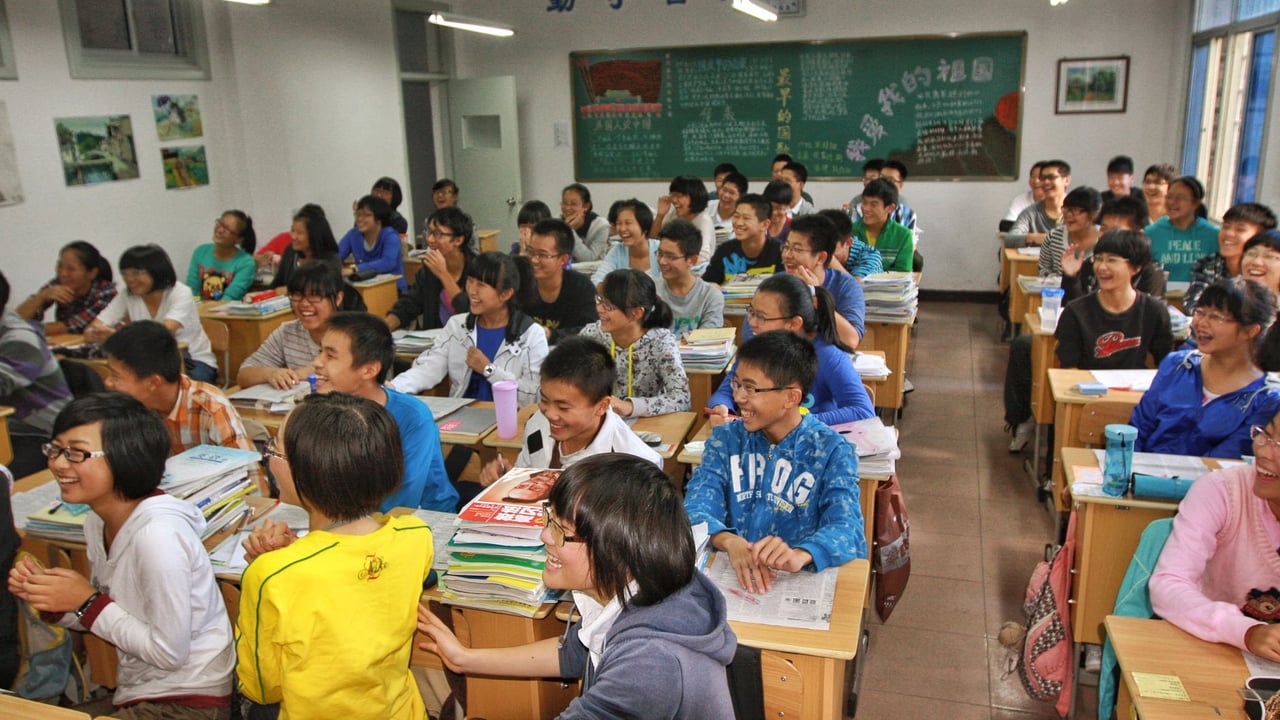

For decades, a teaching position in China was regarded as the ultimate 'iron rice bowl'—a symbol of stability and prestige in an uncertain economy. That certainty is now evaporating as a catastrophic decline in birth rates begins to reshape the nation’s education landscape. New data reveals that teacher recruitment is falling off a cliff across multiple provinces, signaling that the demographic crisis has moved from the maternity ward to the classroom.
In Jiangxi province, the recruitment of primary and secondary teachers for 2026 has plummeted to just 1,190 positions. This figure represents a staggering 92% decline from the 14,158 spots offered in 2020. Similar trends are emerging in Hubei and Henan, where recruitment quotas have been slashed by more than 50% in a single year. The cause is simple math: there are fewer children to teach.
China’s birth rate has fallen by over 55% since 2016, with last year’s births dropping to just 7.92 million. This 'hollowed-out' generation is already being felt in the early education sector, where kindergarten enrollment has contracted by one-third over the last five years. Education officials now predict that the peak for junior high school students will occur this year, while college enrollment will begin its inevitable descent by 2032.
The crisis is further exacerbated by internal migration. In provinces like Hunan and Henan, which see massive population outflows, the surplus of teachers is acute. Meanwhile, 'Tier 1' hubs like Shenzhen and Guangzhou are still seeing temporary growth in student numbers due to inward migration. This creates a stark structural imbalance where rural schools are shuttering while urban centers struggle to reconfigure their resources.
Local governments are attempting to manage the surplus through a strategy of 'controlling growth and adjusting stock.' This involves reducing new hires, encouraging natural attrition through retirement, and rotating teachers from overstaffed urban schools to underfunded rural areas. Some provinces are exploring 'cross-disciplinary' training, attempting to turn surplus primary teachers into specialists for mental health or special education.
While the central government’s '15th Five-Year Plan' for education suggests moving toward smaller class sizes to absorb the excess workforce, financial realities provide a cold shower. The collapse of the land-finance model has left many local municipalities with dwindling budgets. Without significant fiscal transfers, the vision of high-quality, small-group instruction may remain a theoretical solution to a very real employment crisis.