
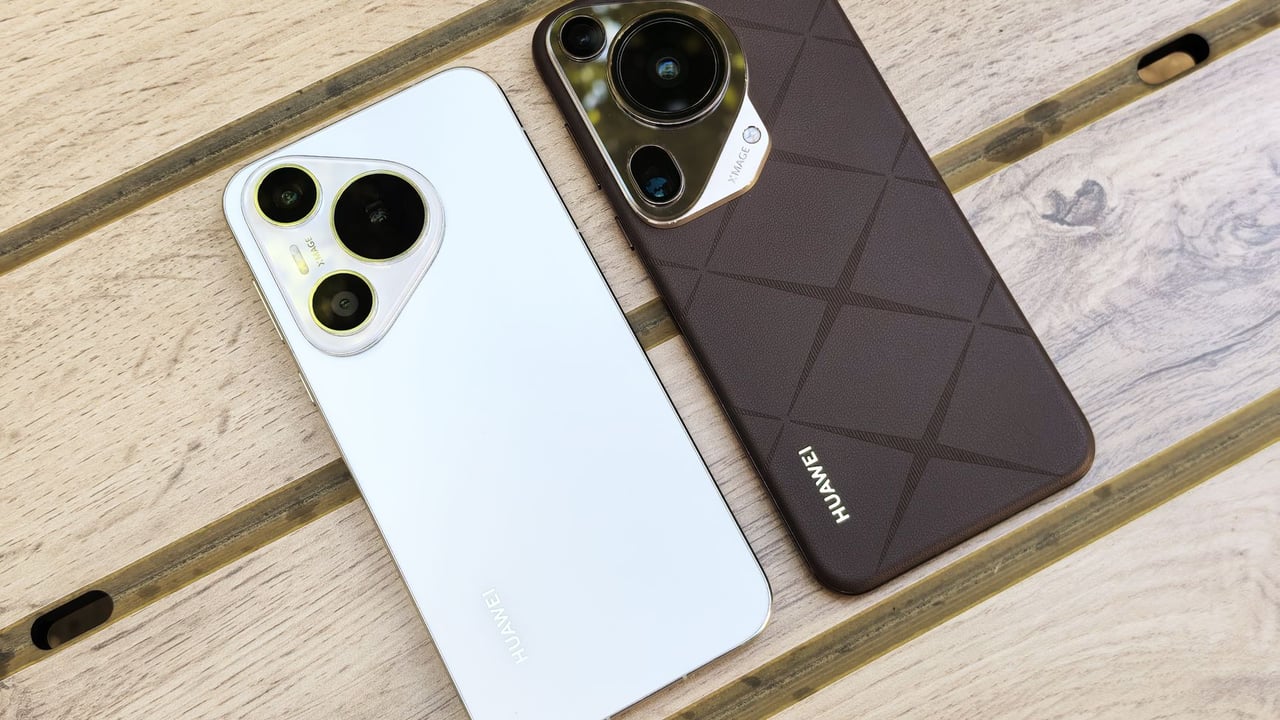

Huawei is preparing for a pivotal moment in its global trajectory as it readies the international launch of the Pura 90 series in Kuala Lumpur this July. A leaked video of the Pro Max model showing 5G connectivity and blistering download speeds has ignited speculation that the tech giant is finally breaking its four-year, 4G-only exile from the international flagship market. This return to the 5G fold marks a significant technological milestone for a company that has spent years navigating the constraints of US-led trade restrictions.
The significance of this development cannot be overstated, as the lack of 5G has been the primary millstone around Huawei's neck since 2019. While the company achieved a stunning domestic recovery with the Mate 60 series last year, duplicating that success on the global stage involves navigating a far more complex web of telecommunications standards. The transition from domestic 5G to a globally compatible version represents a sophisticated engineering feat for Huawei's internal R&D teams.
Adapting a 5G device for the international market requires more than just high-performance silicon; it necessitates meticulous tuning for a fragmented array of frequency bands and network protocols. To compete in regions like Southeast Asia, Europe, and the Middle East, Huawei must satisfy rigorous local carrier requirements for features like VoLTE and carrier aggregation. This process typically demands extensive research and development cycles that go far beyond what is required for a single-market release.
However, hardware is only half of the equation for a brand once ranked among the world's top smartphone vendors. Industry analysts suggest that while 5G restoration heals a major brand deficit, the persistent absence of Google Mobile Services (GMS) remains a formidable barrier. Regaining significant market share from Apple and Samsung outside of mainland China will require not just fast connectivity, but a compelling software ecosystem that can lure users away from established platforms.
Despite these hurdles, the Pura 90 launch signals a fundamental shift in Huawei’s international posture from maintaining a baseline presence to aggressive re-entry. By leveraging its growing ecosystem of tablets and wearables to keep its retail channels warm, the company is now positioning its flagship smartphones to once again lead its charge into the premium global tier. The upcoming Malaysia event will serve as a litmus test for the company's ability to reclaim its status as a top-tier global innovator.