
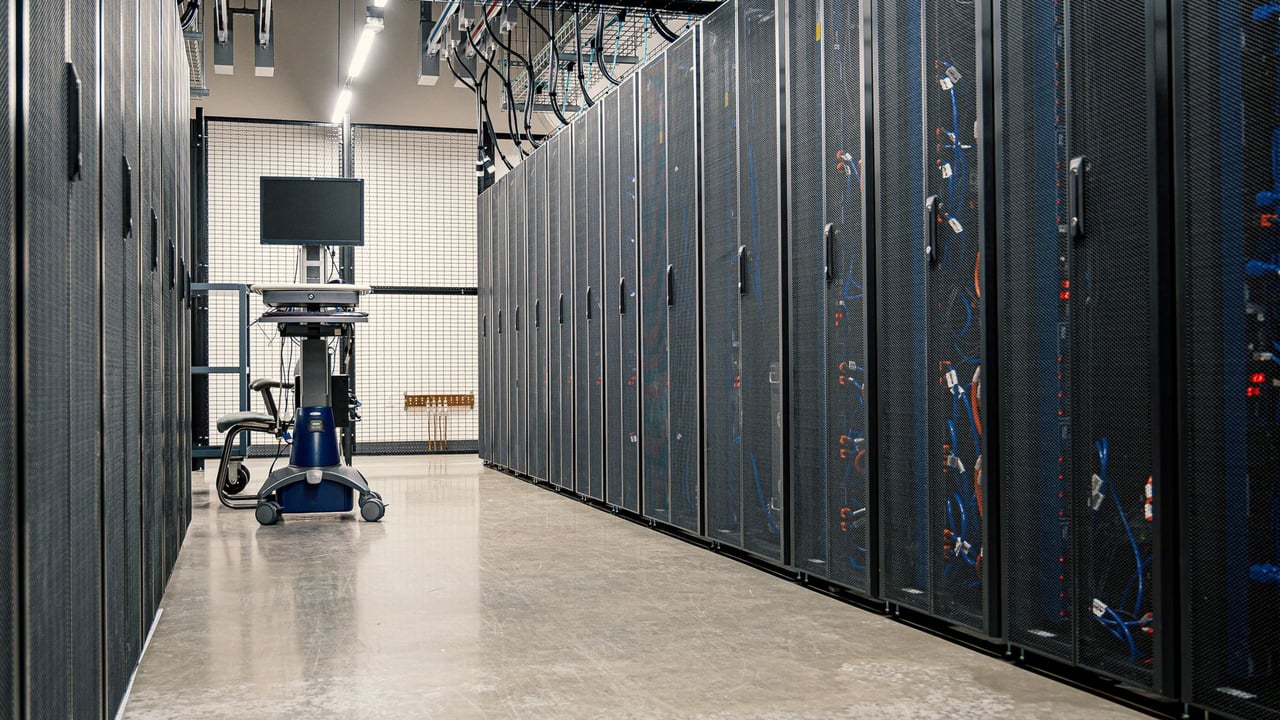

The breakneck expansion of Elon Musk’s technological empire has hit a significant legal hurdle as a court considers an injunction against the Colossus data center. At the heart of the dispute are the gas turbines used to power the facility, which were allegedly installed and operated without the necessary environmental and local permits. This legal challenge is not merely a matter of administrative oversight; it threatens to stall the momentum of one of the world’s most ambitious computing projects.
The potential fallout of a shutdown extends far beyond the physical site. Internal reports suggest that the computing power from Colossus is a central pillar of a massive $45 billion agreement involving the AI research firm Anthropic. If the data center is forced offline, even temporarily, the inability to meet compute-capacity obligations could trigger a crisis of confidence and jeopardize the financial framework of this high-stakes partnership.
Historically, Musk’s ventures have prioritized speed and disruption, often pushing the boundaries of regulatory frameworks to maintain a competitive edge. In this instance, the use of independent gas turbines was an attempt to bypass the lengthy delays associated with traditional grid connectivity. However, this 'move fast' strategy is now colliding with the 'move slow' reality of environmental law and public utility regulations.
While the court may grant SpaceX a grace period to bring the facility into compliance, the most likely immediate outcome is a mandated pause in turbine operations during the permitting process. Such a delay would highlight the growing friction between the escalating energy demands of artificial intelligence and the rigid infrastructure required to support it. As the AI arms race intensifies, the bottleneck is increasingly moving from software and chips to the very power that fuels them.