
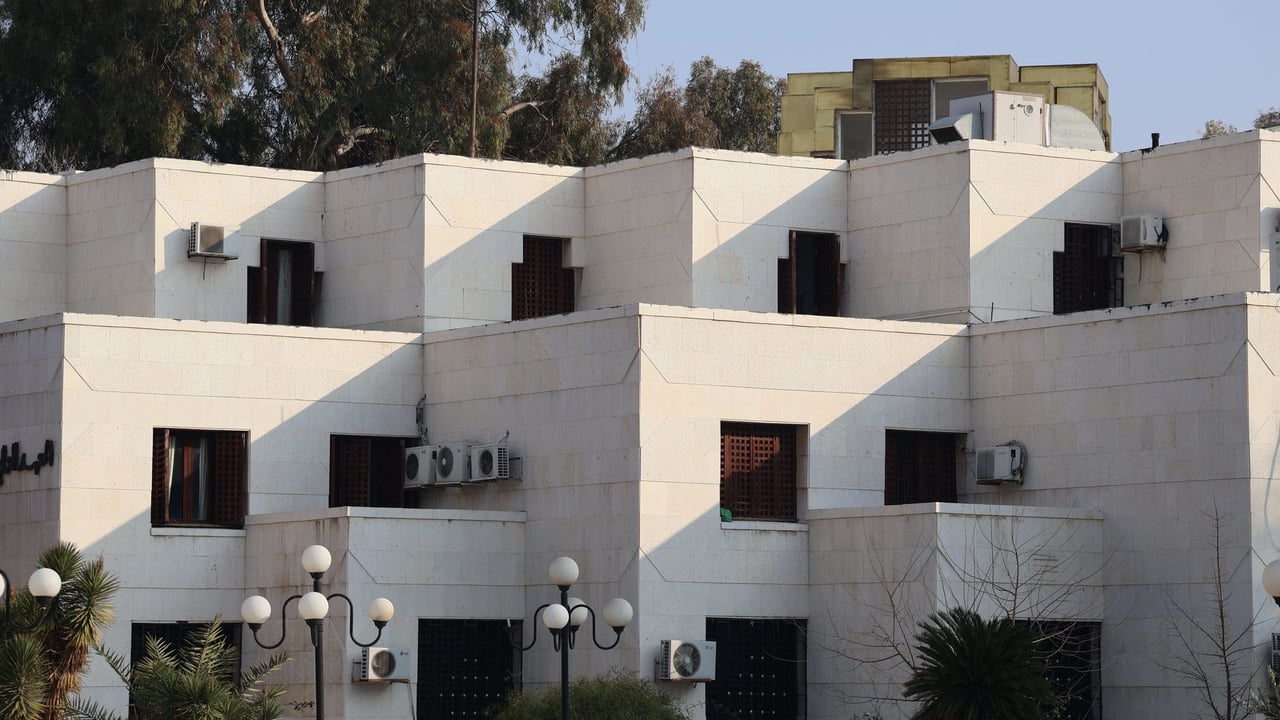

Emmanuel Macron’s high-stakes diplomatic venture to Damascus took a violent turn on Tuesday when a powerful explosion rattled the vicinity of the hotel housing the French delegation. The blast, described by witnesses as a deafening roar that shook nearby structures, underscores the profound instability still gripping the Syrian capital despite years of nominal state control. While initial reports suggest the President and his staff remained unharmed, the incident serves as a visceral reminder of the volatility inherent in the Levant.
This visit represents a seismic shift in European foreign policy, marking the first time a major Western head of state has set foot in Damascus since the outbreak of the civil war over a decade ago. Paris has framed this mission as a necessary exercise in 'strategic realism,' aiming to address refugee flows and counter-terrorism directly with the local authorities. However, the security breach highlights the immense physical and political risks of engaging with a regime that remains a pariah to many of France’s closest allies.
For Macron, the trip is a cornerstone of his broader ambition to position France as an independent mediator between global powers and regional factions. By breaking the Western consensus on the isolation of Syria, France is testing whether diplomatic re-engagement can yield the stability that sanctions and military pressure have failed to deliver. The optics of a French president under fire, however, may inadvertently signal weakness rather than the intended projection of European influence.
It remains unclear whether the attack was the work of residual extremist cells or a calculated message from regional proxies dissatisfied with the potential for a French-Syrian rapprochement. The failure of Syrian security forces to secure the immediate perimeter of the French delegation is a significant intelligence lapse. This event will undoubtedly heighten the domestic pressure on Macron from critics who view the entire expedition as a reckless validation of an authoritarian government.