
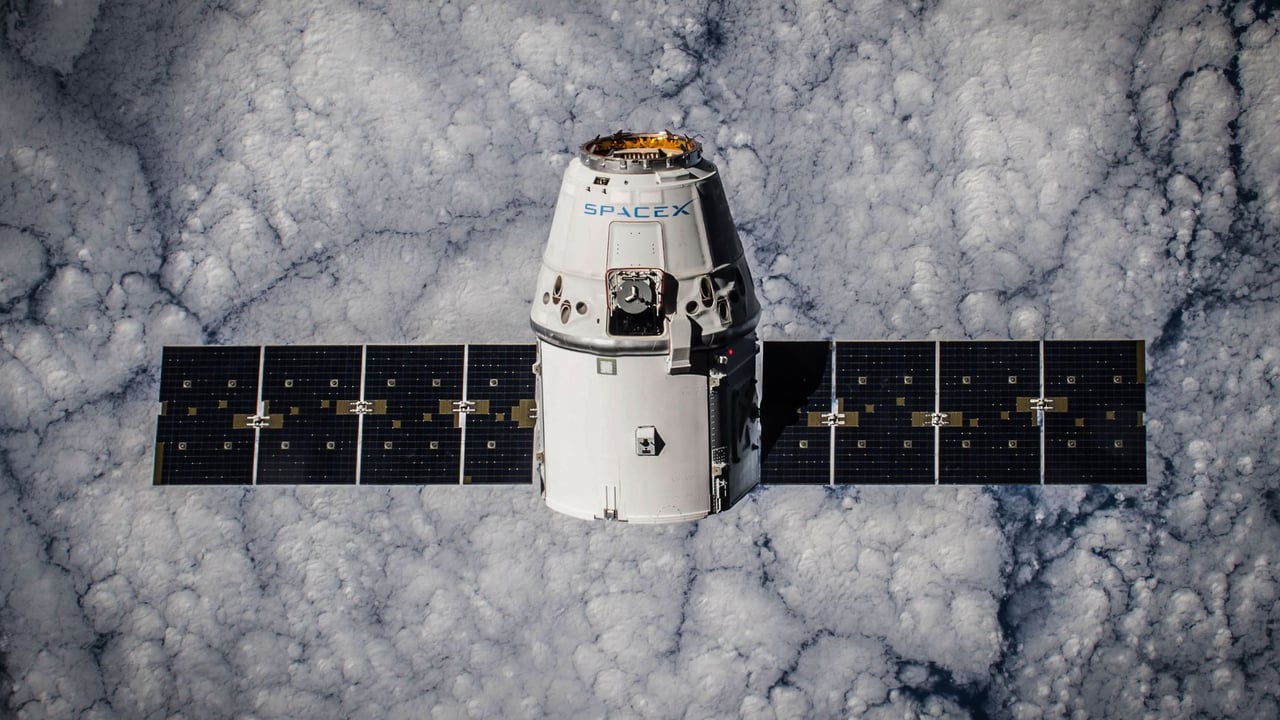

SpaceX has signaled a massive escalation in the orbital arms race, filing an application with the U.S. Federal Communications Commission (FCC) to deploy and operate a staggering 100,000-satellite constellation. This proposed third-generation (Gen3) system represents a fundamental shift in strategy, moving beyond the goal of providing rural internet access to building a comprehensive global communication foundation specifically designed for the requirements of artificial intelligence.
The Gen3 constellation is planned to operate in two distinct low-altitude shells, with one set of satellites orbiting between 323 and 327.5 kilometers and another between 473 and 477.5 kilometers. By deploying at such low altitudes, SpaceX aims to achieve the ultra-low latency necessary for real-time AI processing and autonomous systems. The filing describes a resilient infrastructure capable of carrying the majority of the world’s internet traffic, offering multi-gigabit symmetric throughput to government, corporate, and consumer users.
To handle the massive data backhaul required for billions of AI-driven devices, SpaceX is looking to expand into the largely untapped W and D frequency bands, ranging from 92GHz to 275GHz. This move into higher spectrum highlights the company’s anticipation of a data explosion that far exceeds the capacity of current Ku, Ka, and V-band systems. The flexibility of the proposed orbital inclinations—ranging from 26 to nearly 97 degrees—suggests a plan for truly ubiquitous coverage, including polar regions and high-density markets.
This application comes as SpaceX continues to push the boundaries of orbital computing through separate initiatives like the 'Starmind' project, which envisions up to one million satellites equipped with AI processing units. Elon Musk has recently teased the 'AI1' satellite model, a power-hungry platform capable of generating up to 150 kilowatts at peak performance. With production facilities for these advanced satellites expected to be operational by late 2027, SpaceX is positioning itself as the indispensable utility provider for the next phase of the digital revolution.