Microsoft Begins Internal Pivot to Reduce OpenAI and Anthropic Dependence

Microsoft has begun replacing OpenAI and Anthropic models in Excel and Outlook with its proprietary MAI AI models to reduce operational costs. This strategic shift highlights the tech giant's move toward technical independence and the optimization of high-volume AI tasks through specialized in-house technology.

Share
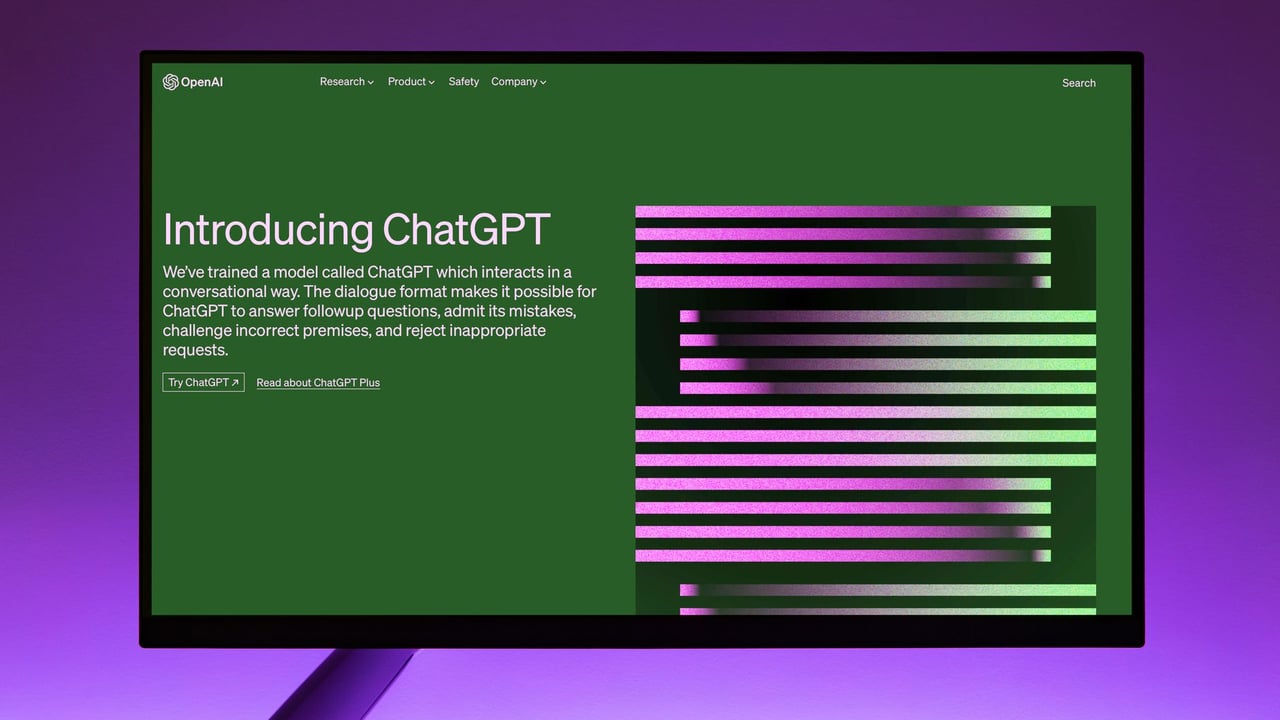
OpenAI Website with Introduction to ChatGPT on Computer Monitor

Key Takeaways

  • 1Microsoft is deploying its internal 'MAI' models for routine AI tasks in Excel and Outlook.
  • 2The move is primarily driven by the need to reduce the high computational costs of third-party AI models.
  • 3Previously, these tasks were largely handled by OpenAI and Anthropic models.
  • 4This shift represents a strategic effort to balance the partnership with OpenAI with greater internal technical autonomy.

Editor's
Desk

Strategic Analysis

This strategic pivot highlights the 'frenemy' dynamic currently defining the relationship between big tech and AI startups. Microsoft is effectively verticalizing its AI stack to improve margins, recognizing that using a 'sledgehammer' like GPT-4 for simple spreadsheet formulas or email summaries is financially unsustainable. By developing its own MAI models, Microsoft is not just saving money; it is building a defensive moat that ensures it remains the master of its own software ecosystem, even if its relationship with OpenAI were to cool. This move foreshadows a future where generalized LLMs are reserved for high-end creative tasks, while lean, proprietary models power the invisible infrastructure of global productivity.

China Daily Brief Editorial
Strategic Insight
China Daily Brief

Microsoft has reportedly begun integrating its proprietary AI models into core software products like Excel and Outlook, signaling a shift away from its heavy reliance on models from OpenAI and Anthropic. This transition involves deploying Microsoft's internally developed "MAI" models to handle tens of thousands of weekly tasks that were previously outsourced to high-cost external providers.

Industry insiders indicate that the primary motivation for this shift is the aggressive pursuit of cost reduction. While high-performance models like GPT-4 are powerful, they are notoriously expensive to run at the scale required by Microsoft’s massive enterprise user base. By utilizing smaller, specialized in-house models for routine productivity tasks, Microsoft can maintain service quality while significantly protecting its profit margins.

The move marks a subtle but clear evolution in the relationship between Microsoft and its high-profile partners. While Microsoft remains the largest backer of OpenAI, the company is increasingly building a parallel internal stack to ensure technical sovereignty and avoid vendor lock-in. This hybrid approach allows the Redmond giant to use premium third-party models for complex reasoning while offloading high-volume, low-complexity tasks to its own infrastructure.

This trend reflects a broader "optimization phase" within the global tech sector. After a period of breakneck experimentation with massive large language models (LLMs), enterprise leaders are now focusing on efficiency, latent cost-control, and the strategic deployment of "Small Language Models" (SLMs) that can run more cheaply on local or specialized hardware.

Related Articles

📰
No related articles found