
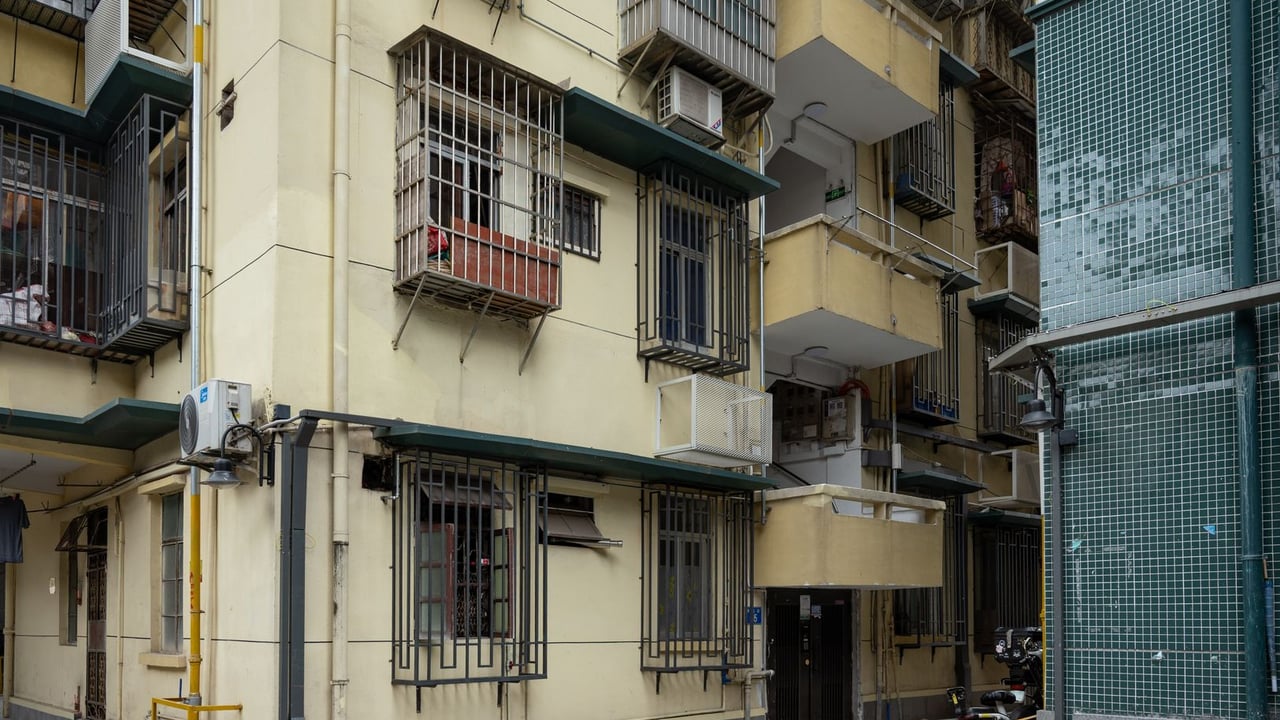

As Europe endures its third consecutive summer of record-breaking heatwaves, with temperatures routinely breaching the 40°C mark in France, Germany, and Spain, a structural shift is occurring in the continent’s residential landscape. Historically, European households have been among the most resistant to air conditioning, citing concerns over noise, health, and energy consumption. However, the sheer intensity of recent climate patterns has transformed cooling from a luxury into a public health necessity, triggering a massive surge in demand for Chinese-made units.
At the heart of this export boom is Guangdong province, the undisputed titan of China’s home appliance industry. Home to global leaders such as Midea and Gree, the Pearl River Delta’s manufacturing ecosystem is currently operating at peak capacity to meet the European shortfall. The region’s ability to rapidly scale production and integrate advanced inverter technology allows it to offer units that meet the European Union’s increasingly stringent energy efficiency standards, a critical factor as electricity prices continue to fluctuate across the eurozone.
The surge in sales is not merely a seasonal fluke but represents a long-term recalibration of the global supply chain. While Chinese electric vehicles face mounting geopolitical friction and tariff threats in the West, consumer electronics and HVAC (heating, ventilation, and air conditioning) systems remain a vital, less-contested pillar of China’s export economy. By focusing on energy-efficient heat pump technology alongside traditional cooling, Chinese manufacturers are embedding themselves into Europe’s broader green transition and climate adaptation strategies.
Industry data suggests that this 'cooling craze' is also trickling down into the logistical and energy sectors, with some analysts even proposing innovative solutions for cross-border power stability. As the European market matures, the competition among Chinese provinces to claim the mantle of 'Top Producer' has intensified, though Guangdong’s deep-water ports and integrated component supply chains provide a formidable moat against domestic and international rivals alike. For now, the 'Made in China' label is becoming synonymous with surviving the European summer.