China’s Wings of Ambition: A Decade of the Y-20 and the Rise of a Strategic Air Force

The tenth anniversary of the Y-20's entry into service highlights China's successful transition toward a 'strategic air force' capable of long-range power projection. The aircraft has evolved from a domestic technological milestone into a versatile platform for logistics, humanitarian aid, and aerial refueling.

Share
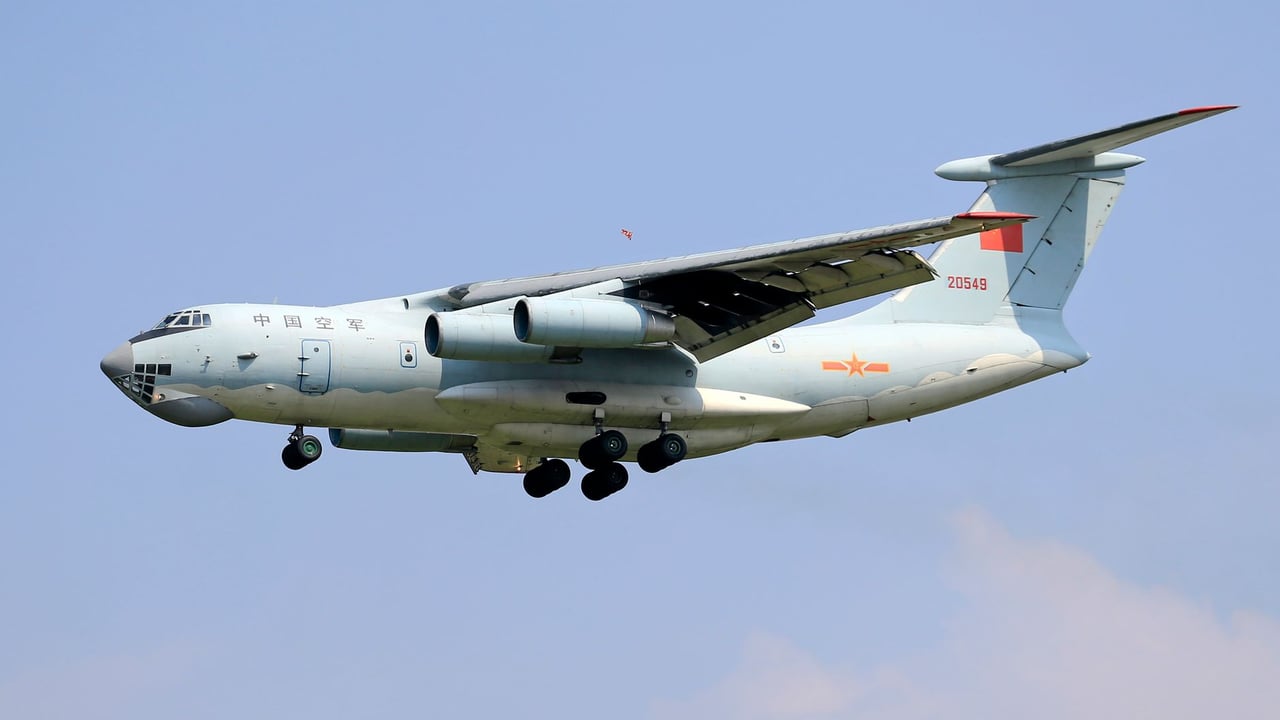
Military cargo plane mid-flight against a clear blue sky, showcasing aviation technology.

Key Takeaways

  • 1July 2026 marks the 10th anniversary of the Y-20 'Kunpeng' entering active service.
  • 2The Y-20 is China's first domestically produced large transport aircraft, ending dependence on Russian aviation technology.
  • 3The platform has expanded into specialized variants, most notably the YY-20 aerial refueler, which extends the combat radius of Chinese fighters.
  • 4Operational history over the decade includes international humanitarian missions and large-scale military exercises.
  • 5The aircraft is a centerpiece of the PLAAF's transformation from a regional defense force to a global strategic actor.

Editor's
Desk

Strategic Analysis

The Y-20 is the backbone of what Chinese military doctrine calls 'strategic delivery'—the ability to move massive amounts of personnel and hardware at short notice to any point on the globe. While the U.S. has long mastered this with the C-17 and C-5 fleets, the Y-20 represents China’s successful attempt to close that gap. The 'so what' factor for global observers is the tanker variant (YY-20); its ability to refuel Chinese strike packages significantly complicates the defense calculus for Taiwan and regional actors in the South China Sea. After ten years of refining the airframe and training crews, the PLAAF has moved past the experimental phase and into a high-tempo operational phase where the Y-20 is a common sight in international airspace.

China Daily Brief Editorial
Strategic Insight
China Daily Brief

A decade ago, the commissioning of the Y-20 heavy transport aircraft marked a quiet but profound shift in the global balance of aerial power. Known as the "Kunpeng" after a mythical bird of immense proportions, the domestic aircraft’s induction into the People’s Liberation Army Air Force (PLAAF) on July 6, 2016, ended China’s long-standing reliance on aging Russian Il-76 transporters. This milestone was the first definitive signal that Beijing was no longer content with a tactical, defensive air force focused on its immediate borders.

Over the past ten years, the Y-20 has transitioned from a prestige project to the workhorse of Chinese power projection. It has been deployed for high-profile humanitarian missions in Tonga and Afghanistan, as well as logistical support during domestic crises. These operations serve as more than just charitable acts; they are rigorous stress tests for a military logistics chain that now extends across continents, effectively lengthening the reach of the Chinese state.

The strategic significance of the Y-20 lies in its role as a force multiplier rather than a simple cargo carrier. The development of the YY-20 tanker variant has addressed one of the PLAAF’s most critical historical weaknesses: short operational range. By enabling mid-air refueling for fighter jets like the J-20 and J-16, the Y-20 fleet allows China to maintain a persistent presence far into the Western Pacific and beyond the "First Island Chain."

Looking ahead, the Y-20 program represents a triumph of domestic industrial policy within the "Strong Military" framework. By mastering the complexities of heavy-lift aerodynamics and domestic engine integration, China has insulated its strategic transport capabilities from external sanctions or supply chain disruptions. This decade of operational experience has not only matured the platform but has also trained a new generation of pilots and technicians capable of sustaining global-reach operations.

Related Articles

📰
No related articles found