
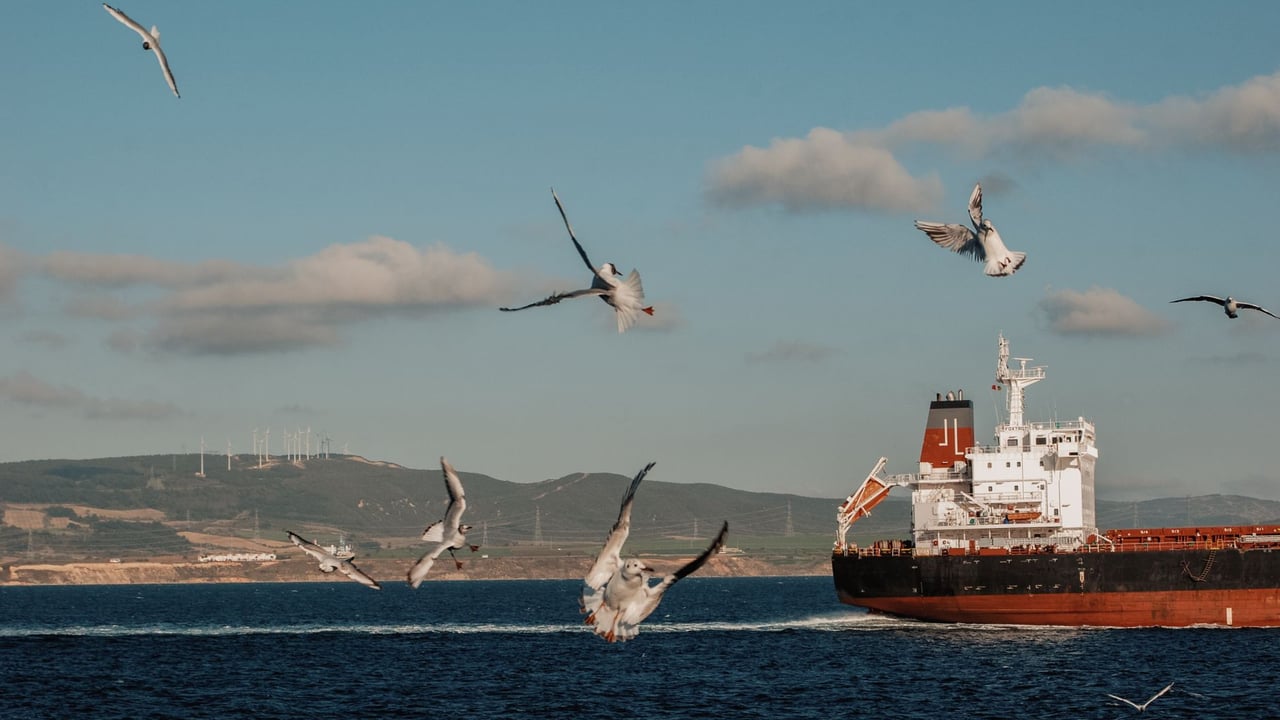

The Strait of Hormuz, the world’s most critical energy chokepoint, has once again become a theater of kinetic conflict. Recent reports of missile and drone strikes against commercial vessels have shattered a fragile calm, sending immediate ripples through global energy markets and highlighting the enduring volatility of the region. This escalation marks a significant departure from the shadow-war tactics of the past, moving into more overt disruptions of maritime trade.
On July 6, U.S. officials alleged that the Iranian Revolutionary Guard Corps (IRGC) targeted two merchant ships with missiles, causing significant structural damage. Distress calls from a liquefied natural gas (LNG) carrier in the Gulf of Oman painted a harrowing picture of a drone strike hitting the port side, sparking an engine room fire and forcing the crew to retreat in a desperate bid for safety. The potential for a catastrophic explosion involving such volatile cargo remains a primary concern for regional maritime authorities.
The economic fallout was immediate and predictable. International oil prices, acutely sensitive to any disruption in the Persian Gulf, saw both West Texas Intermediate and Brent crude climb over 0.5% shortly after news of the attacks broke. Beyond the immediate price at the pump, the maritime industry is grappling with a collapse in confidence as insurance premiums surge, making the passage prohibitively expensive for many independent shipowners.
Traffic data reveals the extent of the paralysis now gripping the waterway. Between July 3 and 5, only 108 vessels transited the strait—a staggering decline compared to the historical average of over 400 ships during a typical three-day window. This data exposes the hollowness of narratives suggesting a return to normalcy, as the waterway remains effectively half-closed under the shadow of persistent military threats.
At the heart of the crisis lies an intractable geopolitical stalemate between Washington and Tehran that shows no signs of thawing. While both sides ostensibly favor an open waterway, their visions of sovereignty are diametrically opposed. Iran insists on regional hegemony over the strait, while the United States maintains its role as the guarantor of international navigation, leaving virtually no room for diplomatic compromise in the near term.