
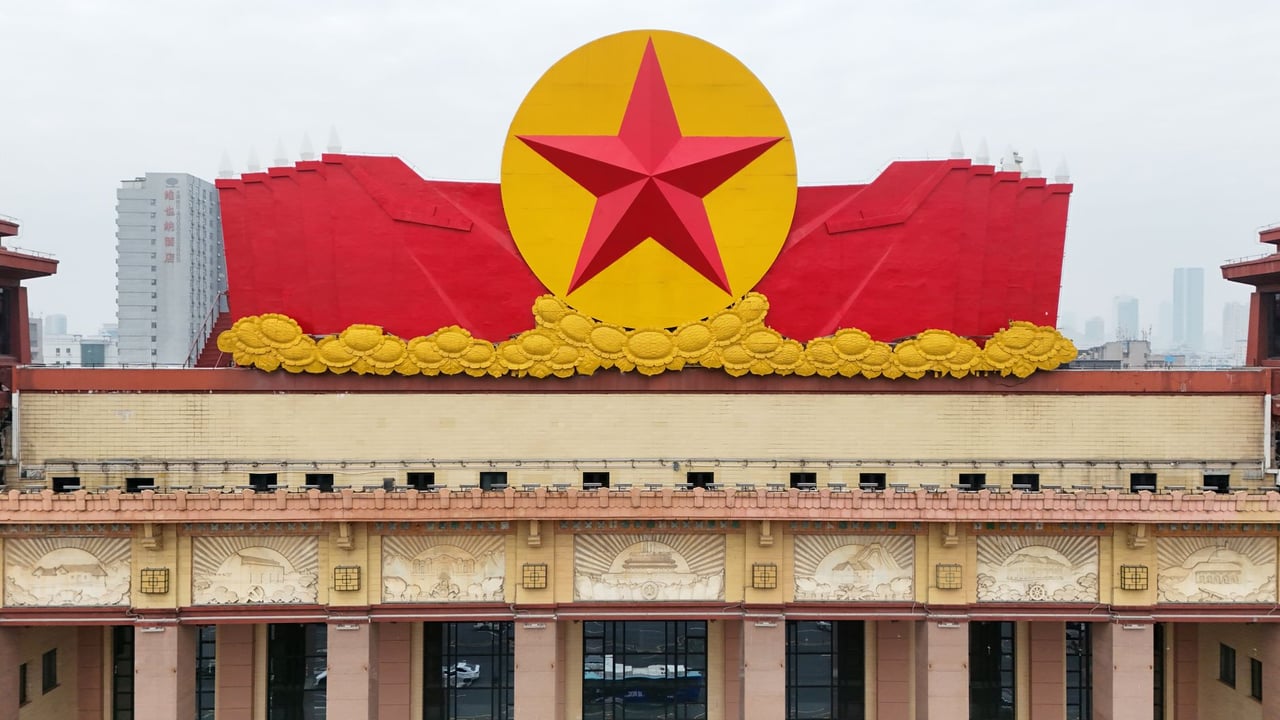

In the summer heat of Shaanxi province, a delegation of international observers recently retraced the historic steps of Edgar Snow, the American journalist whose 1937 book Red Star Over China first introduced the world to Mao Zedong and the Chinese Communist Party. The 'Retracing Snow’s Path' tour brought together Snow’s descendants, foundation representatives, and foreign academics to the revolutionary heartland of Yan’an. For the participants, the trip was less about historical reenactment and more about witnessing the dramatic transformation of a region once defined by cave dwellings and desperate poverty.
Among the visitors was Liu Xiaodao, a German environmental educator who first visited the area in 1995 when it still resembled a cluster of villages. Today, she noted the startling presence of modern architecture and lush greenery, a result of decades of reforestation and infrastructure investment. This transition from a rugged revolutionary base to a modern urban center is precisely the narrative Beijing seeks to emphasize as it marks the 90th anniversary of the Long March’s victory.
The timing of this pilgrimage is significant, coinciding with the 90th anniversary of Snow’s own entry into the Shaanxi-Gansu-Ningxia border region. Between 1935 and 1948, Yan’an served as the CCP’s headquarters, where the party consolidated power and formulated the ideologies that would eventually govern China. By inviting Snow’s descendants and Western experts, the Chinese government is leaning into a specific form of 'old friend' diplomacy to validate its historical trajectory through a Western lens.
In Zhidan County, formerly known as Bao’an, the group visited the site of the Red Army University and the caves where Mao and Snow conducted their famous long-form interviews. Sydney Wood, president of the Edgar Snow Memorial Foundation, observed that the stories of students studying in caves to change the fate of their nation remain a powerful motif. For the CCP, these sites are not merely museums but essential tools for domestic legitimacy, linking current prosperity directly to the 'Yan’an Spirit' of self-reliance and struggle.
British participant Michael Crook, who first saw Yan’an in the 1960s, framed the city’s evolution as a microcosm of China’s broader progress. The tour concluded with an immersive theatrical performance titled 'Thirteen Years in Yan’an,' which utilizes high-tech stagecraft to depict the arduous years of the revolution. This blend of revolutionary nostalgia and modern technological display serves to remind both domestic and international audiences that the CCP’s roots are inseparable from its current developmental successes.