

Donald Trump has once again escalated tensions in the Middle East, issuing a stark warning from the Oval Office regarding Iran’s critical infrastructure. The former president claimed that the United States could dismantle Iran’s entire power grid within half a day and sever its energy transport channels in under an hour. This aggressive posturing appears designed to force Tehran back to the negotiating table to secure a new bilateral agreement heavily skewed toward American interests.
Despite the bellicose rhetoric, the administration faces significant internal hurdles that complicate any move toward kinetic action. The U.S. Congress has previously moved to limit the executive branch's authority to initiate unilateral military operations against Iran. Furthermore, several Republican lawmakers have expressed skepticism regarding a strategy that could inadvertently spark another protracted conflict in the Middle East without a clear exit plan.
Domestic economic concerns represent the most potent check on White House decision-making. Any escalation in the Persian Gulf historically leads to an immediate spike in global oil prices, which would exacerbate inflationary pressures at home. For the average American voter, the rising cost of fuel and consumer goods often outweighs the perceived benefits of a foreign military intervention, potentially eroding the administration's political support.
In response to these threats, Iranian Foreign Minister Abbas Araghchi has adopted a posture of strategic patience. Araghchi has explicitly stated that as long as Washington maintains a stance of military intimidation, bilateral negotiations remain impossible. This refusal to engage under duress effectively shifts the diplomatic burden back to the United States, leaving the 'maximum pressure' campaign in a state of deadlock.
Tehran’s leverage extends beyond diplomatic refusal to include a suite of asymmetric military options. By controlling the Strait of Hormuz, a vital artery for global energy, Iran maintains the capability to disrupt oil shipments using mines, anti-ship missiles, and fast attack craft. Such a move would send shockwaves through the global economy, potentially inflicting more damage on U.S. markets than any localized strike would on Iranian resolve.
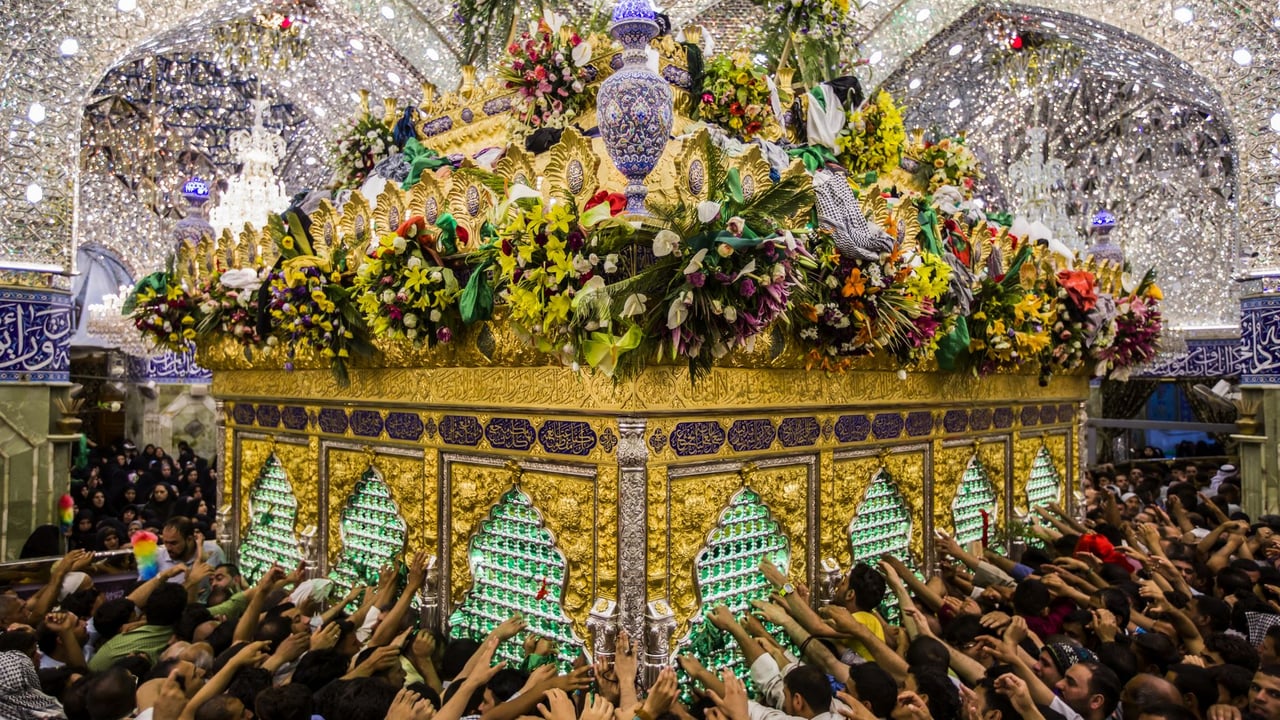
Beyond military hardware, the Iranian leadership relies on a high degree of domestic national cohesion as a psychological defense. Recent public displays of unity, particularly surrounding state-led commemorations, suggest that external military pressure may only serve to harden domestic resistance. After decades of sanctions, the Iranian economy has developed a level of resilience that allows it to withstand prolonged external isolation, complicating any strategy based on total economic collapse.