
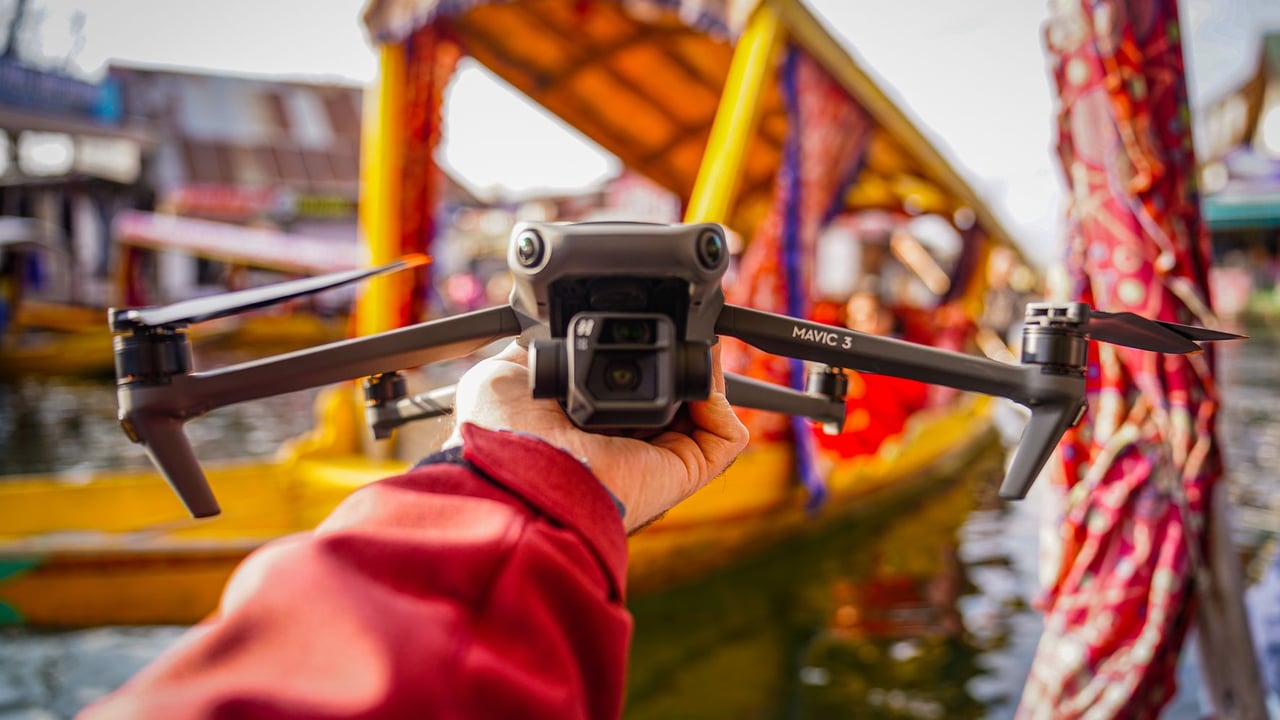

A high-stakes battle for the future of consumer imaging is unfolding in the tech corridors of Shenzhen, as the drone hegemon DJI and the panoramic camera specialist Insta360 transition from peaceful neighbors to bitter rivals. Recent rumors of a price hike across DJI’s product line were met with a swift official denial, signaling that the industry leader is willing to absorb rising component costs to maintain its tactical advantage. This price stability is widely seen as a calculated strike against Insta360, whose founder, Liu Jingkang, is currently feeling the squeeze of a multi-front war involving hardware, legal patent disputes, and aggressive discounting.
Frank Wang, the reclusive founder of DJI, recently likened Liu to the 'Red Boy,' a formidable and mischievous character from the Chinese classic *Journey to the West* who famously gave the Monkey King a run for his money. This characterization is both a mark of respect and a declaration of competitive intent. For years, the two companies operated in parallel universes: DJI dominated the skies with its drones, while Insta360 owned the niche market for 360-degree handheld cameras. That era of coexistence ended when Insta360 went public and began eyeing DJI’s drone monopoly, prompting DJI to retaliate by invading the panoramic camera sector.
The volatility of this rivalry is most visible in the recent launch of Insta360’s Luna Ultra. Only five days after its release, DJI unveiled a direct competitor, the Pocket 4P, priced strategically lower than Insta360’s flagship. On the same day, DJI initiated patent infringement litigation in a Texas court, a move Insta360 countered with its own lawsuit just 48 hours later. This legal attrition has now migrated back to China, with both firms filing dozens of claims against each other in Shenzhen courts, transforming the product cycle into a courtroom drama.
While Insta360 remains a powerhouse in the panoramic market, its dominance is being eroded by DJI’s massive scale and integrated supply chain. Data suggests that within six months of DJI launching its Osmo 360, Insta360’s market share in that specific segment nearly halved before stabilizing. Although the overall market for panoramic imaging is growing, DJI is capturing the lion's share of the new growth. Meanwhile, Insta360’s attempt to break into the drone market with its 'Yingling' series faces the daunting reality of DJI’s 70% global market share and superior brand momentum.
The financial toll of this 'knife-to-the-throat' competition is becoming apparent in Insta360’s balance sheets. Despite a staggering 83% increase in revenue during the first quarter of 2026, the company’s net profit plummeted by more than 50% due to surging research and marketing expenditures. As a publicly traded company on Shanghai’s STAR Market, Insta360 must answer to shareholders and maintain its valuation, whereas DJI, as a private entity, possesses a 'war chest' and a level of patient capital that allows it to engage in long-term attrition without the pressure of quarterly reporting.
Ultimately, this conflict represents a fundamental reality of the hardware industry: there are no permanent moats. As Frank Wang recently observed, hardware lacks the 'network effect' of the internet, meaning every new product generation is a fresh struggle to win the market. Whether Liu Jingkang can leverage his firm’s agility and AI software prowess to outmaneuver the DJI colossus remains to be seen, but the intensity of their rivalry ensures that Shenzhen will remain the epicenter of imaging innovation for years to come.