
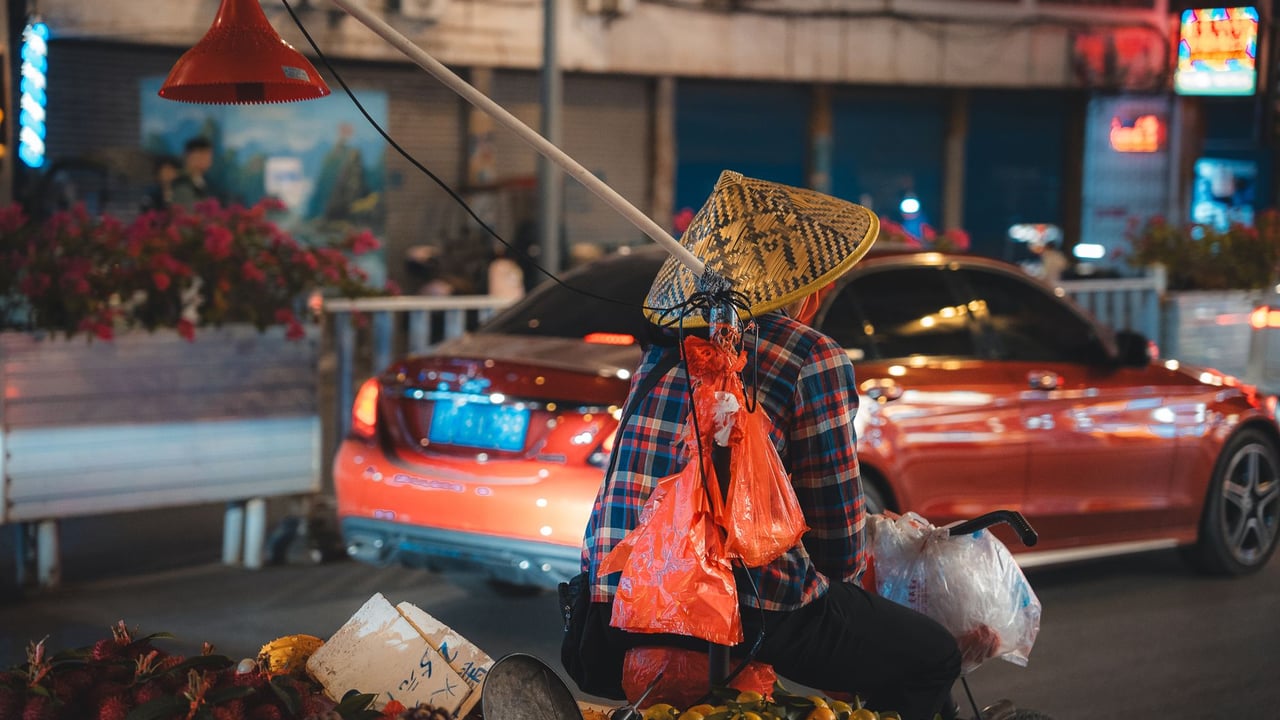

For years, the visual evolution of China’s streets served as a roadmap for its electric vehicle (EV) dominance. What began as a fleet of compact, utilitarian runabouts has rapidly transformed into a parade of massive luxury SUVs and sprawling sedans. However, this trend toward 'automotive giantism' is now facing a sharp internal rebuke from one of the industry's most influential voices.
Cui Dongshu, Secretary-General of the China Passenger Car Association (CPCA), has publicly labeled the current trajectory of the New Energy Vehicle (NEV) market as a 'waste of resources.' According to Cui, the prevailing philosophy of building bigger and heavier electric cars is not only inefficient but represents a failure of the current fiscal and tax framework to guide the industry toward true sustainability.
At the heart of this critique is a significant regulatory loophole. In the era of internal combustion engines (ICE), China’s tax system acted as a gatekeeper against oversized vehicles. Cars with engines larger than 2.5 liters are subject to a 25% consumption tax, a penalty that forces traditional automakers to remain cautious about scaling up. In contrast, NEVs have largely enjoyed a tax-free honeymoon period focused on rapid adoption rather than physical efficiency.
This lack of size-based constraints has incentivized Chinese EV makers to compete in a ‘features arms race,’ packing vehicles with heavier batteries and expansive luxury cabins to justify higher price points. Cui warns that this shifts the focus away from the original goal of the green transition: providing efficient, accessible transportation for the masses while minimizing the environmental footprint of production and energy consumption.
To rectify this, the CPCA is now advocating for a fundamental shift in policy. This includes the establishment of a standardized system for 'economic' NEVs—cars designed specifically for efficiency and mass-market affordability. Furthermore, Cui suggests that future tax reforms must introduce constraints on vehicle size and energy intensity, ensuring that the next generation of Chinese EVs is as light on resources as it is on carbon emissions.