

The global financial landscape is currently being reshaped by a collision of geopolitical friction and aggressive technological consolidation. A sharp 6% surge in international oil prices, triggered by the declaration that the U.S.-Iran memorandum of understanding is effectively over, has sent shockwaves through energy markets. As WTI and Brent crude climb, energy giants like ExxonMobil and Occidental Petroleum are reaping the benefits of anticipated upstream profit margins, even as the broader U.S. indices struggle under the weight of looming Fed minutes and a cooling AI hardware sector.
Simultaneously, the center of gravity in the technology sector is shifting toward massive infrastructure plays and corporate integration. Amazon’s move to issue $25 billion in bonds underscores a relentless drive to fund data centers and AI capabilities, with capital expenditures projected to reach nearly $200 billion by 2026. This escalation is mirrored in the software space, where OpenAI and SpaceX’s xAI are locked in a high-stakes release cycle, both debuting flagship models simultaneously to capture dominance in the rapidly evolving LLM market.
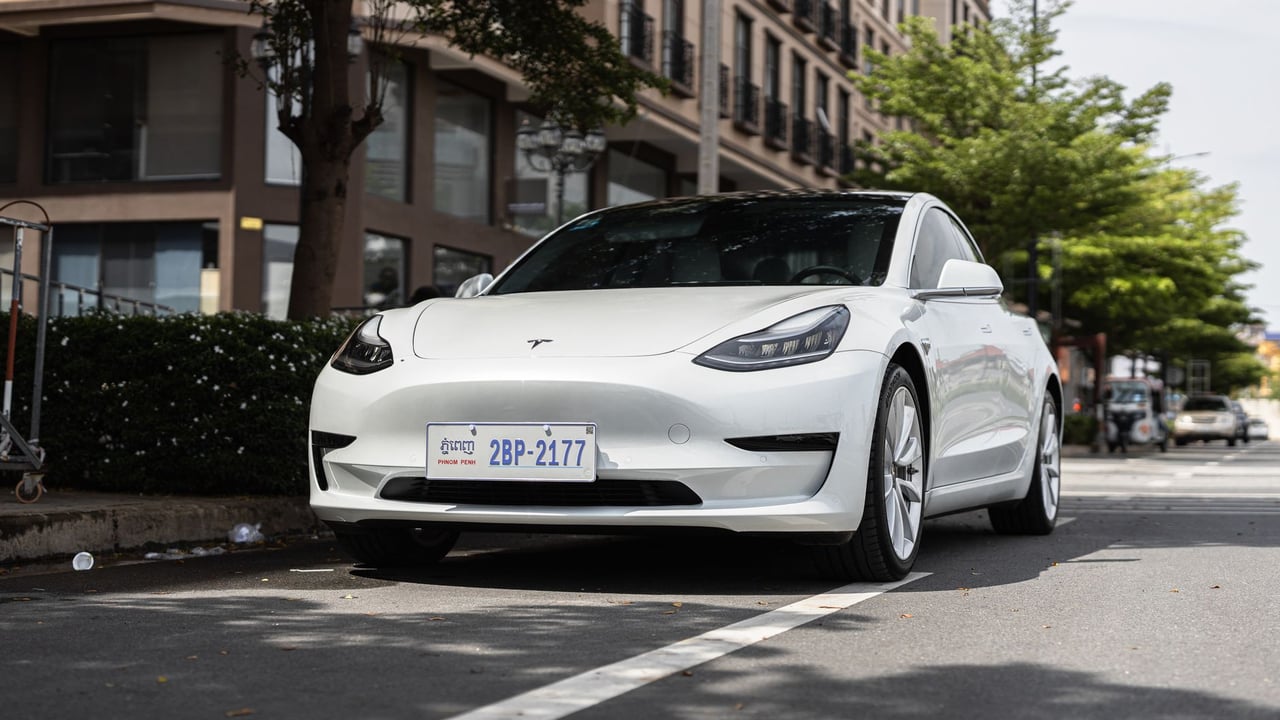
Perhaps most significant for long-term investors is the rising speculation surrounding a potential merger between Tesla and SpaceX. Wall Street analysts are increasingly viewing a consolidation of Elon Musk’s empires as a strategic necessity to unify AI infrastructure, chip development, and energy storage under a single roof. While governance and regulatory hurdles remain formidable, the market is already beginning to price in a 'synergy premium' that could re-rate Tesla’s valuation by as much as 30%.
In the East, the narrative is one of cautious divergence and intensifying digital sovereignty. Chinese technology stocks, led by a double-digit rally in Alibaba, have shown remarkable resilience against the backdrop of U.S. market volatility. However, the regulatory environment remains prickly; China’s Ministry of Industry and Information Technology has issued a security warning against Anthropic’s Claude Code. This move highlights a deepening divide in the global AI ecosystem, where Western development tools are increasingly scrutinized for data exfiltration risks, signaling a future of 'Sovereign AI' stacks.