
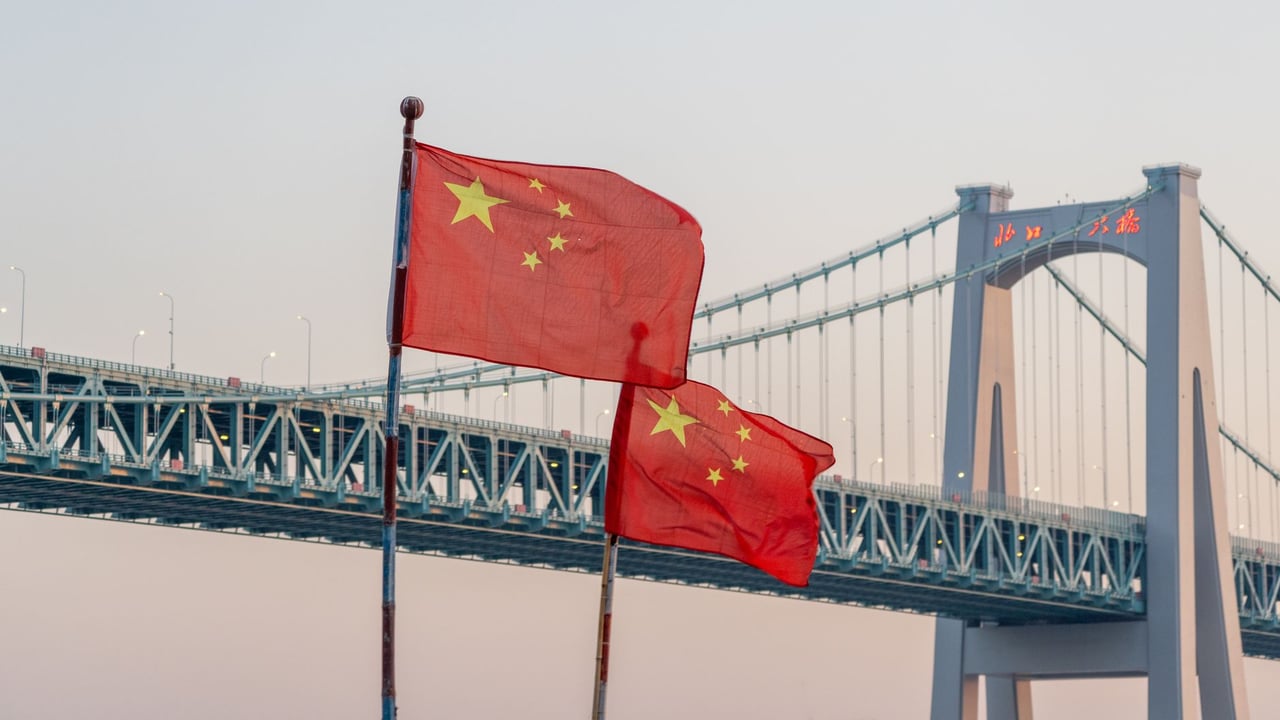

On the night of July 7, 1937, the discharge of rifles at the Marco Polo Bridge near Beijing signaled the beginning of Japan’s full-scale invasion of China. Eighty-nine years later, the site remains a somber monument to a conflict that claimed millions of lives and fundamentally reshaped East Asia. For Beijing, the anniversary is not merely a moment of historical reflection, but a contemporary warning against what it perceives as a resurgent threat from its neighbor across the sea.
In high-profile commemorations held at the Museum of the War of Chinese People’s Resistance Against Japanese Aggression, Chinese state media and officials have intensified their rhetoric against Tokyo. The core of their concern lies in Japan’s steady departure from its post-war pacifist identity. Through a series of legislative shifts and the revision of key security documents, Japan is seen by China as aggressively dismantling the constraints that have defined its regional role for decades.
The push for "re-militarization" is no longer a fringe movement but is increasingly reflected in Japanese policy, including proposals to eliminate weapon export restrictions and develop offensive military capabilities. Beijing points to a projected defense budget exceeding 9 trillion yen by 2026 as evidence of a radical strategic shift. This surge in spending, coupled with the nationalization of defense equipment factories, suggests to Chinese observers the emergence of a “war economy” designed to sustain long-term conflict.
Adding fuel to the fire is the increasing internationalization of Japan’s security posture. High-ranking Japanese officials have recently lobbied for a "free and open Indo-Pacific" while moving closer to NATO and strengthening military ties with the Philippines. Beijing views these alliances not as defensive measures, but as a coordinated effort to encircle China and revive a Cold War-style bloc confrontation in the Asia-Pacific.
Perhaps most inflammatory to Beijing is the shifting Japanese rhetoric regarding Taiwan. The assertion that a contingency in the Taiwan Strait constitutes a direct threat to Japanese security is interpreted by China as a pretext for intervention. By framing regional security through the lens of "external threats," China argues that Japanese leadership is manufacturing a crisis to justify the final abandonment of its Peace Constitution.