Trump’s 'Spanish Inquisition': A Risky Gambit to Force NATO Compliance

Donald Trump has threatened a total trade embargo on Spain and its expulsion from NATO, citing Madrid's refusal to hit a 5% defense spending target and its denial of base access for U.S. strikes on Iran. This escalating rift highlights a deeper conflict over European strategic autonomy and the future of transatlantic security obligations.

Share
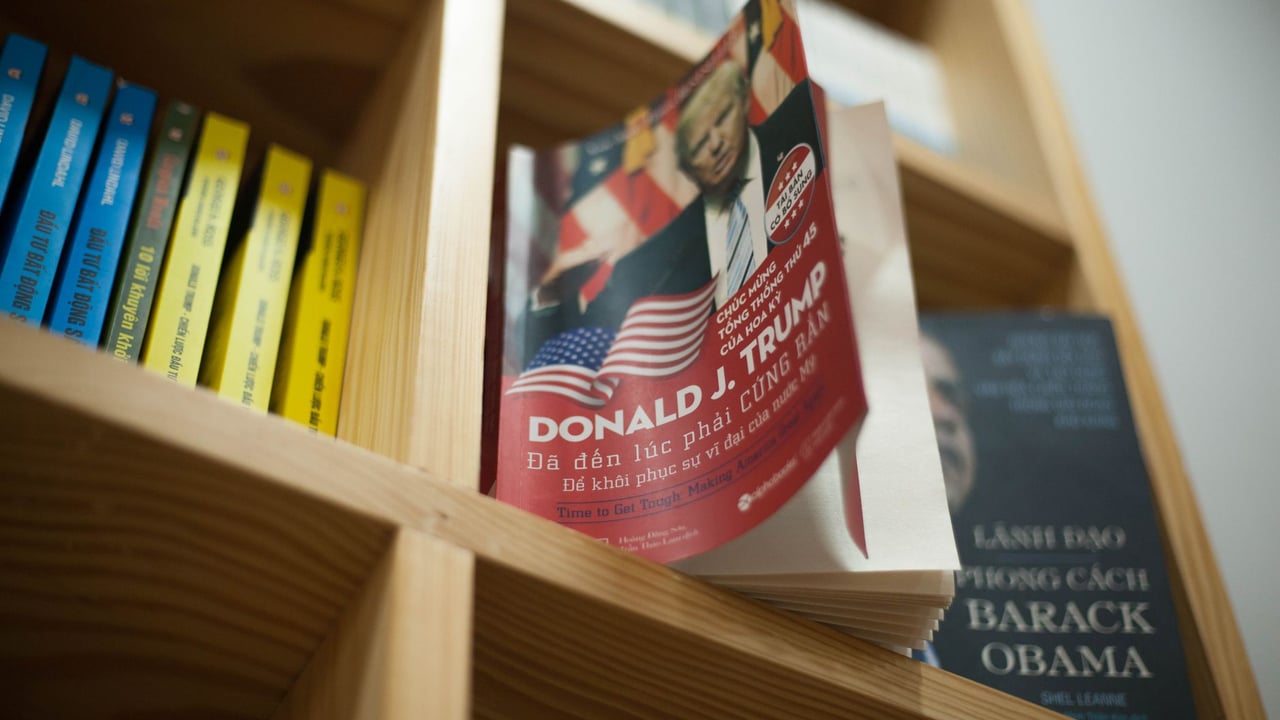
A close-up view of a bookshelf with books featuring political leaders in a bookstore setting.

Key Takeaways

  • 1Trump is demanding NATO members increase defense spending to 5% of GDP, far exceeding the previous 2% goal.
  • 2Spain's refusal to support U.S. military action against Iran led to the withdrawal of U.S. aircraft from Spanish bases.
  • 3Madrid recently canceled a $9 billion F-35 procurement plan, opting instead for a European-led fighter jet project.
  • 4Legal experts argue that a trade embargo would require a 'national emergency' declaration, which is unlikely to survive legal scrutiny.
  • 5There is currently no institutional mechanism within NATO to expel a member state based on the preferences of another.

Editor's
Desk

Strategic Analysis

The friction between the U.S. and Spain represents a microcosm of the 'transactional alliance' model that now dominates the White House. By targeting Spain, Trump is signaling to the rest of Europe that meeting the 2% defense target is no longer sufficient for 'favored nation' status. However, the threat of an embargo may be counterproductive; Spain’s pivot from the F-35 to a European alternative underscores a growing trend toward 'strategic autonomy' within the EU. If the U.S. weaponizes trade against a NATO ally, it risks accelerating the fragmentation of the Western security architecture and pushing mid-sized powers toward more independent or regionalist foreign policies.

China Daily Brief Editorial
Strategic Insight
China Daily Brief

President Donald Trump has once again cast a shadow over transatlantic relations, threatening a total trade embargo against Spain during a high-stakes NATO summit in Ankara. The ultimatum follows escalating friction between Washington and Madrid over defense expenditures, Middle Eastern policy, and a multi-billion dollar snub to the American aerospace industry.

At the heart of the dispute is Spain’s refusal to meet Trump’s aggressive new demand for NATO members to allocate 5% of their GDP to defense. While Madrid currently spends 2.1%—surpassing the alliance's historic 2% threshold—the White House has characterized the Spanish government as 'unfriendly' for failing to match the more radical targets favored by the current administration.

Strategic tensions reached a breaking point earlier this year when Spain denied the United States permission to use its Morón and Rota military bases for strikes against Iran. This defiance forced the Pentagon to withdraw several KC-135 tankers and prompted Spanish Defense Minister Margarita Robles to emphasize that bilateral cooperation must operate strictly within the framework of international law and multilateral consensus.

Economically, the relationship is frayed by Madrid’s pivot toward European industrial autonomy. Spain’s decision to cancel a potential $9 billion deal for Lockheed Martin’s F-35 fighter jets in favor of a domestic European sixth-generation project has been interpreted by Washington as a direct economic affront, fueling Trump’s protectionist rhetoric against Spanish agricultural exports.

Legal scholars note that executing a full trade embargo would require the invocation of the International Emergency Economic Powers Act (IEEPA). Such a move would necessitate declaring Spain a 'national emergency' and an 'extraordinary threat' to the United States—a legal threshold that experts argue would be nearly impossible to justify in court and would find no precedent in the history of the alliance.

Related Articles

📰
No related articles found