
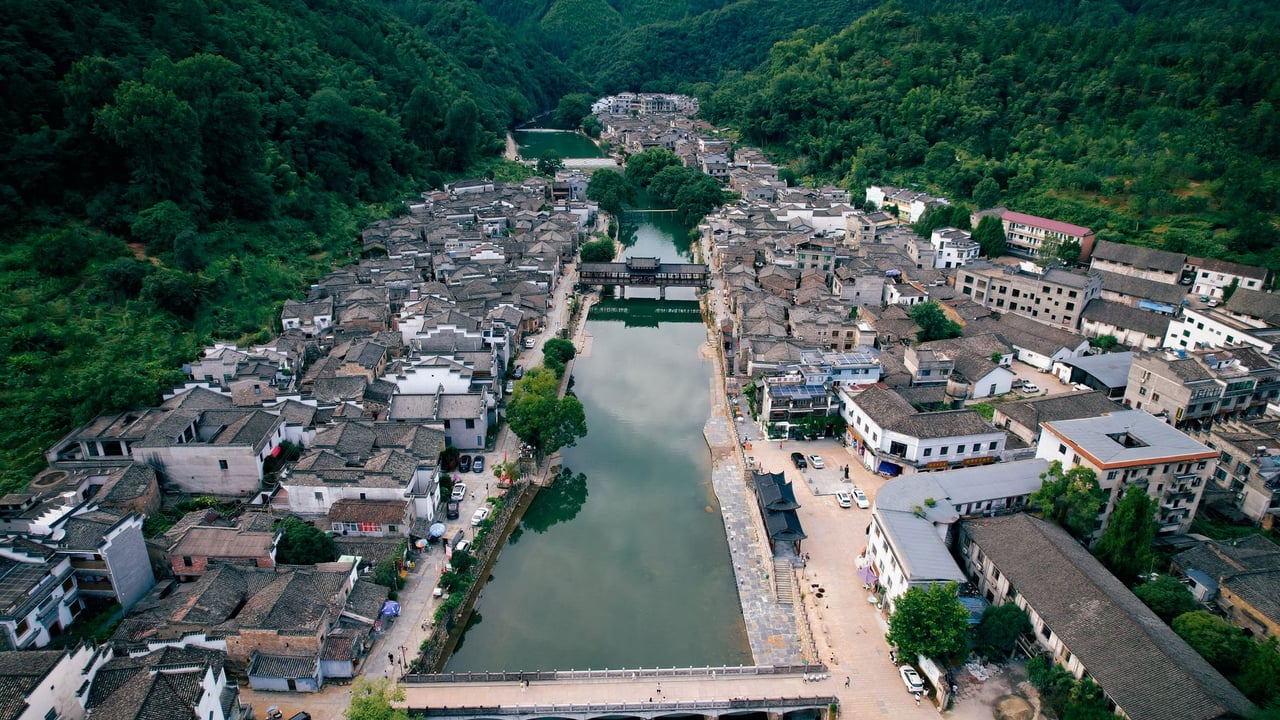

The Yudu River in Jiangxi province has long been canonized in Chinese history as the 'First Crossing' of the Long March, the point where the Red Army began its 6,000-mile odyssey in October 1934. While the heroism of the trek is a staple of national education, the granular logistical reality of how 86,000 personnel vanished from a Nationalist encirclement has remained shrouded in the fog of revolutionary lore. New insights from recently highlighted top-secret military archives are now offering a more technical perspective on this pivotal escape.
These documents, preserved within the inner sanctums of the People's Liberation Army (PLA) archives, detail the meticulous planning required to bridge a 600-meter-wide river under the nose of the Kuomintang. The archives reveal that the 'secret' of the crossing lay in a sophisticated synchronization of engineering and civilian camouflage. To avoid aerial detection, the Red Army did not build permanent structures; instead, they constructed pontoon bridges at dusk, dismantled them before dawn, and hid the materials in nearby forests and homes during the day.
The strategic success of the Yudu crossing was predicated on a total blackout of information, a feat achieved through rigorous discipline and the deep integration of the military with the local populace. The archives underscore that the logistics of the 'First Crossing' were not merely about muscle and grit, but about a command structure capable of managing complex movements across multiple points simultaneously. This level of coordination allowed the main force of the Central Red Army to slip through the first line of the Nationalist blockade, a move that effectively saved the Communist movement from annihilation.
In modern China, the revisiting of these archives serves a dual purpose: it reinforces the military's professional heritage while solidifying the political legitimacy of the ruling party. By highlighting the 'scientific' and 'organized' nature of the Long March's beginning, the narrative shifts from one of a desperate retreat to a masterclass in strategic maneuvering. For the current leadership in Beijing, these historical records are vital tools in fostering a sense of continuity and resilience amid contemporary geopolitical challenges.