
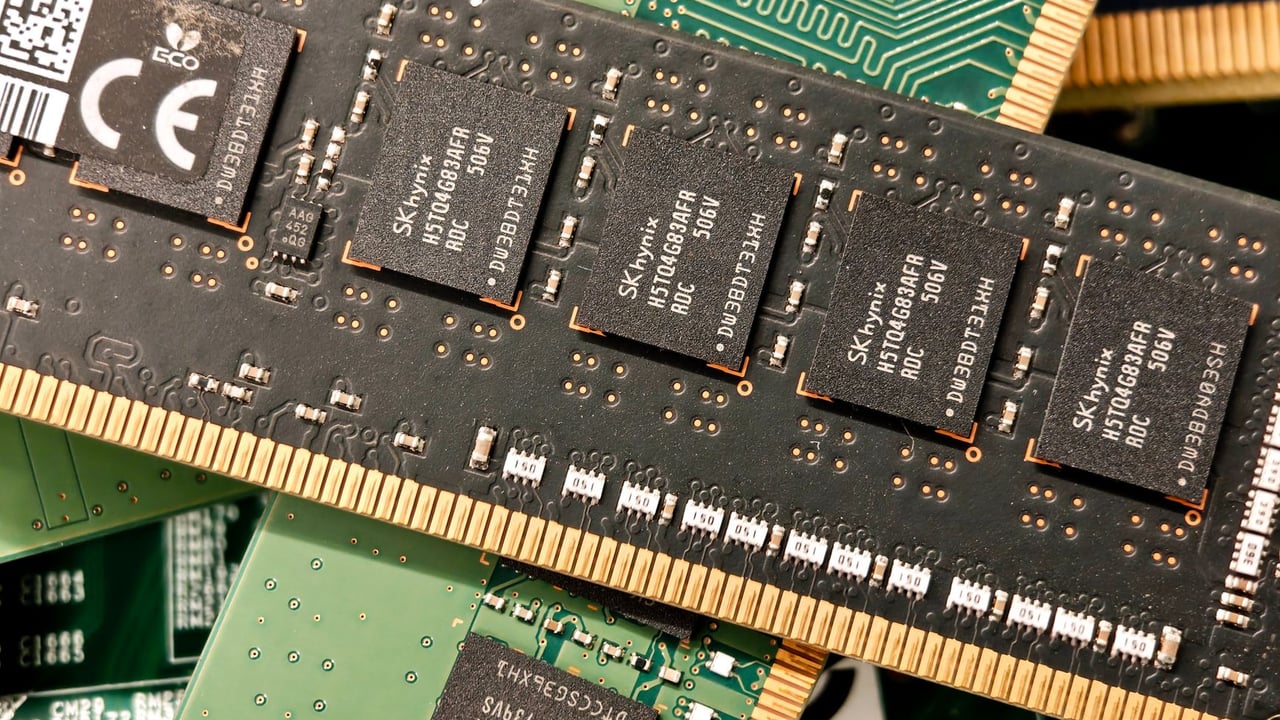

The South Korean equity market, long the bellwether for the global semiconductor and artificial intelligence infrastructure cycle, has officially entered a technical bear market. On July 8, 2026, the benchmark KOSPI index plunged over 5%, marking a cumulative decline of more than 20% from its mid-June peak. The sell-off was led by the nation's technology champions, Samsung Electronics and SK Hynix, signaling a painful correction for the "AI trade" that has dominated global portfolios for the past year.
The irony of the crash was most visible in Samsung’s performance. Just a day prior, the company reported a staggering 1,810% increase in second-quarter operating profit, reaching 89.4 trillion won and comfortably beating analyst expectations. Despite these stellar results, investors chose to focus on the fragility of future growth rather than historical gains. This "sell the news" reaction suggests that the market is increasingly skeptical about the sustainability of the current high-growth memory cycle.
Market structural weaknesses have exacerbated the downfall. Strategists point to a "triple threat" of high leverage, high concentration, and high fragility within the South Korean exchange. While foreign institutional flows began to plateau in early 2026, domestic retail investors continued to pile into tech stocks using record levels of margin debt. With credit balances hitting an all-time high of 38 trillion won, the price correction likely triggered a cascade of forced liquidations, creating a self-reinforcing downward spiral.
The ripple effects are being felt acutely across East Asian financial hubs. Leveraged ETFs tied to SK Hynix have seen their value halved from their yearly highs, and the volatility has spilled over into China’s A-share market. This synchronized downturn across tech-heavy indices suggests a massive global re-evaluation of AI hardware demand. Investors are now pivoting from speculative euphoria toward a more sober assessment of whether AI applications can generate enough revenue to justify the massive capital expenditure on chips.