
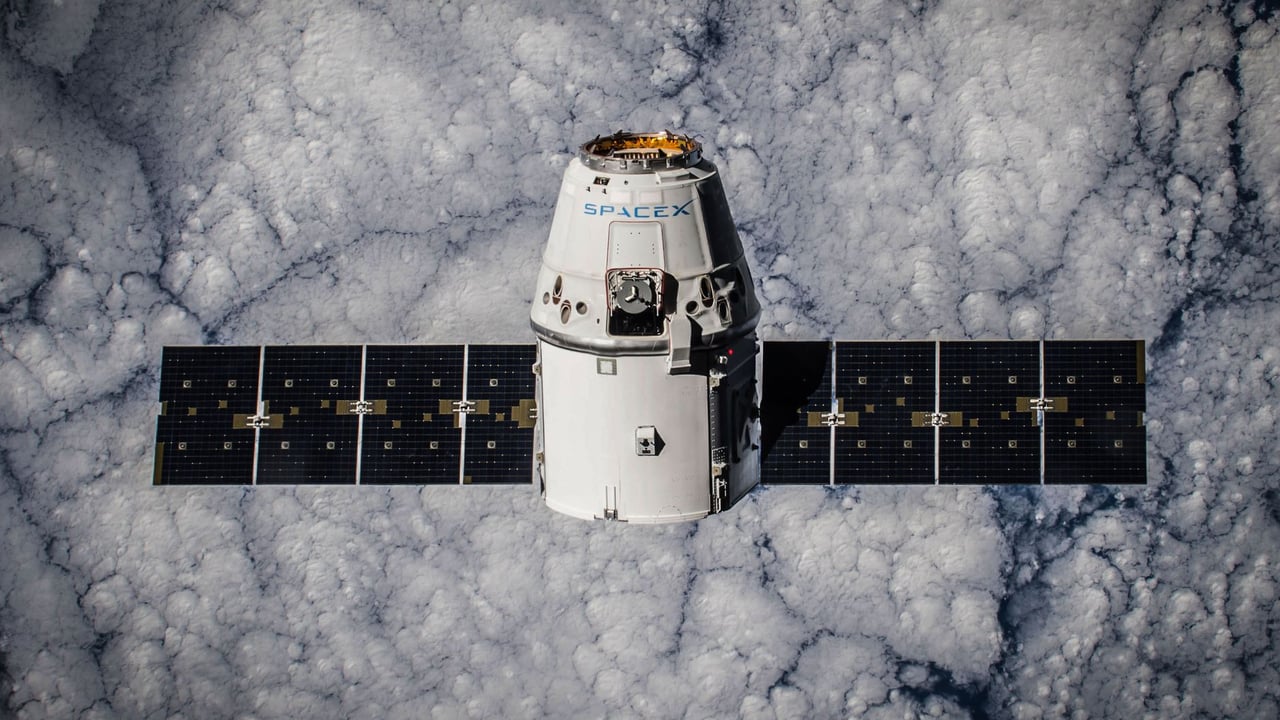

The global race for technological supremacy has entered a dual-track escalation, characterized by massive infrastructure expansion in orbit and tightening security protocols on the ground. SpaceX has signaled a paradigm shift in space-based connectivity by filing for a 'Gen3' constellation of 100,000 satellites. This proposed network is not merely an expansion of existing Starlink services; it is designed as a low-latency, high-throughput foundation specifically tailored to support the multi-gigabit demands of a global AI ecosystem. By targeting orbital shells as low as 323 kilometers, the company aims to minimize signal delay for billions of AI-driven devices, effectively positioning itself as the primary utility provider for the next industrial revolution.
Simultaneously, Beijing is intensifying its scrutiny of the software supply chain that powers this burgeoning AI era. The Ministry of Industry and Information Technology (MIIT) recently issued a high-level warning regarding 'Claude Code,' an AI programming tool developed by the American firm Anthropic. Chinese regulators allege that the tool contains security backdoors capable of transmitting sensitive user data to remote servers without consent. This move marks a significant expansion of China’s 'AI Security' framework, shifting the focus from large language models themselves to the developer tools and coding assistants that represent the 'upstream' of the technology sector.
On the domestic front, China is countering global infrastructure plays by fortifying its own data ecosystem. The Ministry of Human Resources and Social Security has launched an 'AI+ Social Security' initiative, which mandates the creation of high-quality, standardized datasets across the nation's labor and social welfare sectors. This strategic push aims to solve a critical bottleneck in AI development: the scarcity of high-value, vertical industry data. By transforming vast administrative records into structured training material, Beijing hopes to cultivate domestic AI models that are inherently more accurate and integrated into the state's governance framework.
Amidst these developments, the physical reality of space competition is manifesting in the South China Sea. The Sansha Maritime Bureau has issued navigation warnings for rocket recovery operations scheduled for July 2026. This activity underscores China’s growing proficiency in reusable launch technology, a prerequisite for competing with the rapid deployment capabilities demonstrated by Western commercial space firms. As the boundaries between telecommunications, artificial intelligence, and national security continue to blur, the ability to control both the data and the hardware that carries it has become the ultimate measure of sovereign power.