A Fragile Truce Unravels: Iran Vows Retaliation After US Reinstates Oil Sanctions

Iran has officially condemned the United States for reinstating oil sanctions, claiming the move violates the 'Islamabad Memorandum of Understanding' signed in June 2026. Tehran warned of retaliatory measures and cited American support for Israeli actions in Lebanon as further evidence of diplomatic bad faith.

Share
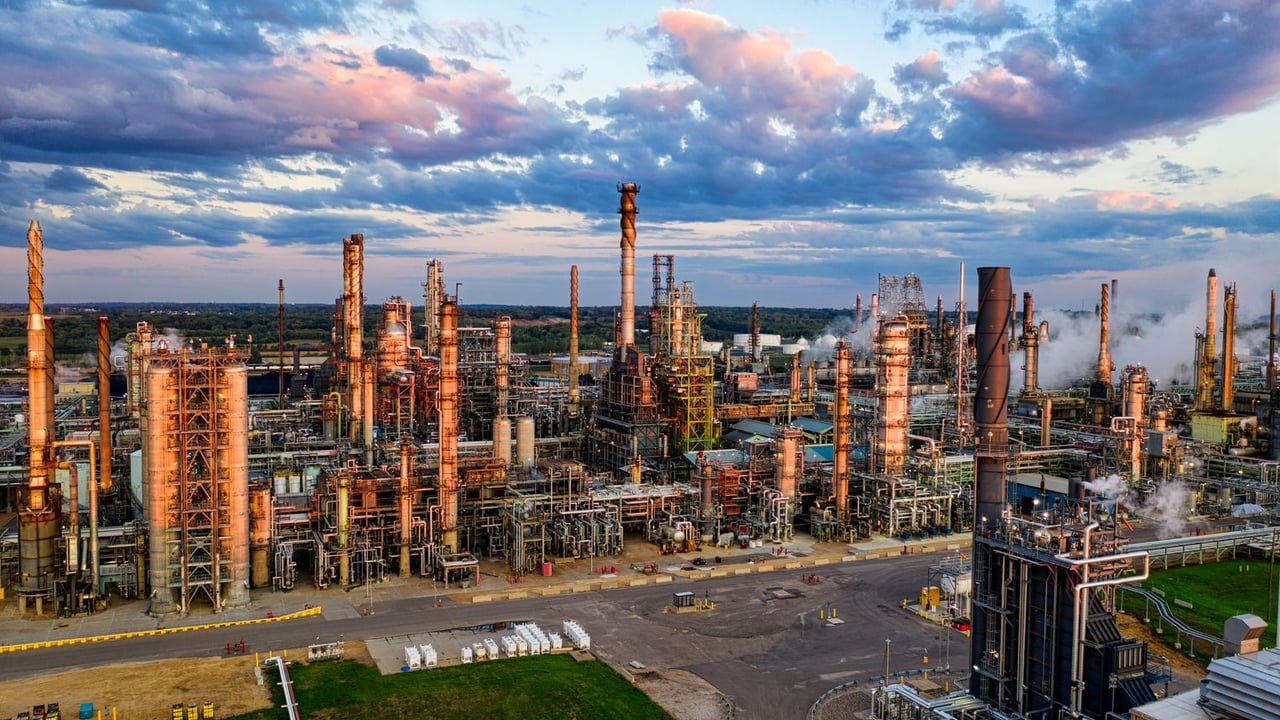
Stunning aerial shot of an oil refinery in Rosemount, MN, showcasing industrial complexity at sunset.

Key Takeaways

  • 1Iran accuses the U.S. of violating Article 10 of the Islamabad MOU signed on June 18, 2026.
  • 2The U.S. revoked a temporary general license for Iranian oil sales less than three weeks after its issuance.
  • 3Tehran links the U.S. policy shift to ongoing Israeli military actions in Lebanon, labeling them a breach of the memorandum.
  • 4The Iranian Foreign Ministry warned of 'necessary actions' to defend national interests, signaling potential regional escalation.

Editor's
Desk

Strategic Analysis

The collapse of the Islamabad MOU—a framework likely designed as a tactical pause in hostilities—reveals the profound fragility of current Middle Eastern diplomacy. The rapid reversal of the U.S. oil waiver suggests that internal political pressures in Washington or shifting tactical realities on the ground in Lebanon have outweighed the benefits of the June agreement. For global energy markets, this development signals a return to high-risk premiums, while for the region, it suggests that the 'Islamabad process' may have been a stillborn attempt at stabilization, leaving both parties closer to direct confrontation than they were at the start of the summer.

China Daily Brief Editorial
Strategic Insight
China Daily Brief

Diplomatic relations between Tehran and Washington have plunged into a fresh crisis after the Iranian Foreign Ministry formally condemned the United States for revoking a brief reprieve on oil sanctions. This move, according to Iranian officials, represents a flagrant breach of the recently signed Islamabad Memorandum of Understanding, just weeks after the agreement was intended to lower regional temperatures.

The dispute centers on a general license issued by the U.S. government on June 21, which had temporarily authorized the sale of Iranian petroleum and related products. By rescinding this authorization on July 8, the United States has reportedly violated Article 10 of the bilateral pact, prompting Tehran to declare the American administration fundamentally untrustworthy in its international commitments.

Beyond the immediate economic impact of the oil sanctions, Iran has broadened its accusations to include U.S. complicity in regional conflicts. Tehran alleges that Washington has violated the spirit of the memorandum through direct actions and by failing to restrain Israeli military operations in Lebanon, which Iran views as a proxy for American interests and a strategic violation of the Islamabad framework.

As the geopolitical landscape shifts, the Iranian government has signaled its readiness to take all necessary actions to safeguard its national security and economic sovereignty. While the specific nature of these measures remains undefined, the rhetoric suggests a potential return to aggressive maritime posturing in the Strait of Hormuz or a hardening of its position regarding nuclear enrichment activities.

Related Articles

📰
No related articles found