Ottawa’s Deep-Sea Gambit: Canada Selects Germany for Historic C$100 Billion Submarine Fleet

Canada has named Germany's ThyssenKrupp Marine Systems as the preferred bidder for a C$100 billion project to build up to 12 new submarines. The deal aims to modernize the Royal Canadian Navy and secure Arctic sovereignty with first deliveries expected by 2034.

Share
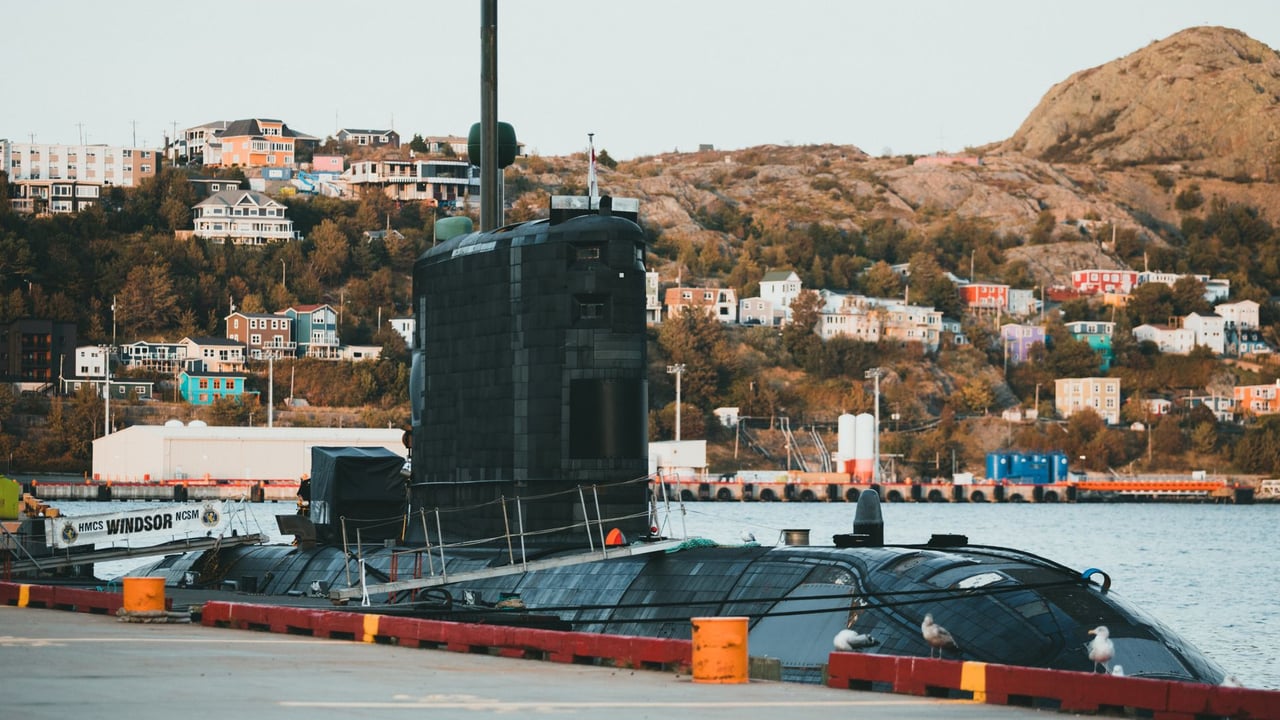
Submarine docked at a colorful hillside harbor with urban scenery.

Key Takeaways

  • 1ThyssenKrupp Marine Systems (TKMS) selected as the preferred supplier for the Canadian Patrol Submarine Project.
  • 2The deal includes up to 12 submarines with a total lifecycle cost estimated at C$100 billion.
  • 3Key capabilities include Arctic patrol, underwater surveillance, and special forces deployment.
  • 4First four submarines are scheduled for delivery by 2034, replacing the nearly obsolete Victoria-class fleet.
  • 5South Korea’s Hanwha Ocean remains the secondary choice if negotiations with Germany falter.

Editor's
Desk

Strategic Analysis

This procurement marks a watershed moment for Canada’s defense posture, reflecting a belated but necessary recognition that Arctic sovereignty requires more than just rhetoric. By opting for a fleet of 12 submarines—a massive increase from the current four—Ottawa is attempting to bridge a capability gap that has long made it the 'weak link' in NATO's northern flank. The choice of Germany’s TKMS over South Korean or Japanese alternatives suggests a preference for integrating into European defense architectures, though the 'backup' status of South Korea serves as important leverage in price negotiations. The true challenge will be the timeline; with the first delivery a decade away and current vessels barely functional, Canada faces a 'capability canyon' that could leave its vast maritime borders vulnerable during a period of peak geopolitical competition in the High North.

China Daily Brief Editorial
Strategic Insight
China Daily Brief

In a move that signals a profound shift in its maritime strategy, Canada has selected Germany’s ThyssenKrupp Marine Systems (TKMS) as the preferred supplier for its most ambitious defense project to date. The Canadian Patrol Submarine Project (CPSP) envisions a fleet of up to 12 new vessels, a drastic expansion intended to replace the country’s aging and often-inoperable Victoria-class fleet. This historic procurement, valued at an estimated C$100 billion over its lifecycle, represents Ottawa’s most significant commitment to naval power in decades.

The selection of the German Type 218 design, likely to be modified for Canadian requirements, highlights a focus on long-range endurance and specialized capabilities. These new submarines are expected to be equipped for Arctic patrol, underwater surveillance, and special forces deployment, addressing critical gaps in Canada’s ability to monitor its northern frontiers. With only one of its four current submarines presently seaworthy, the Royal Canadian Navy is racing against time to maintain its undersea relevance.

Beyond mere hardware, the deal is a cornerstone of a broader strategic alignment between Ottawa and Berlin. German officials have characterized the agreement as a multi-decade partnership that will bind the two NATO allies together through shared technology and defense cooperation. If negotiations with TKMS fail, Canada has positioned South Korea’s Hanwha Ocean as a viable alternative, ensuring a competitive backstop for a project of this magnitude.

Economically, the project is framed as a catalyst for Canadian industrial growth, with significant portions of the supply chain expected to be localized. The administration is banking on the project to generate high-paying jobs and revitalize the domestic defense sector. However, the 2034 delivery date for the first four vessels underscores the long-term nature of this gamble, as the geopolitical landscape in the Arctic continues to heat up.

Related Articles

📰
No related articles found