

Gold’s traditional reputation as a dormant safe haven is undergoing a radical structural transformation. While global prices have experienced a cooling period in recent months, the underlying fundamentals suggest a market on the cusp of a technologically driven resurgence. For the first time in the modern era, gold has begun to rival and, in some sectors, surpass U.S. Treasuries as the preferred reserve asset for global central banks seeking shelter from geopolitical volatility.
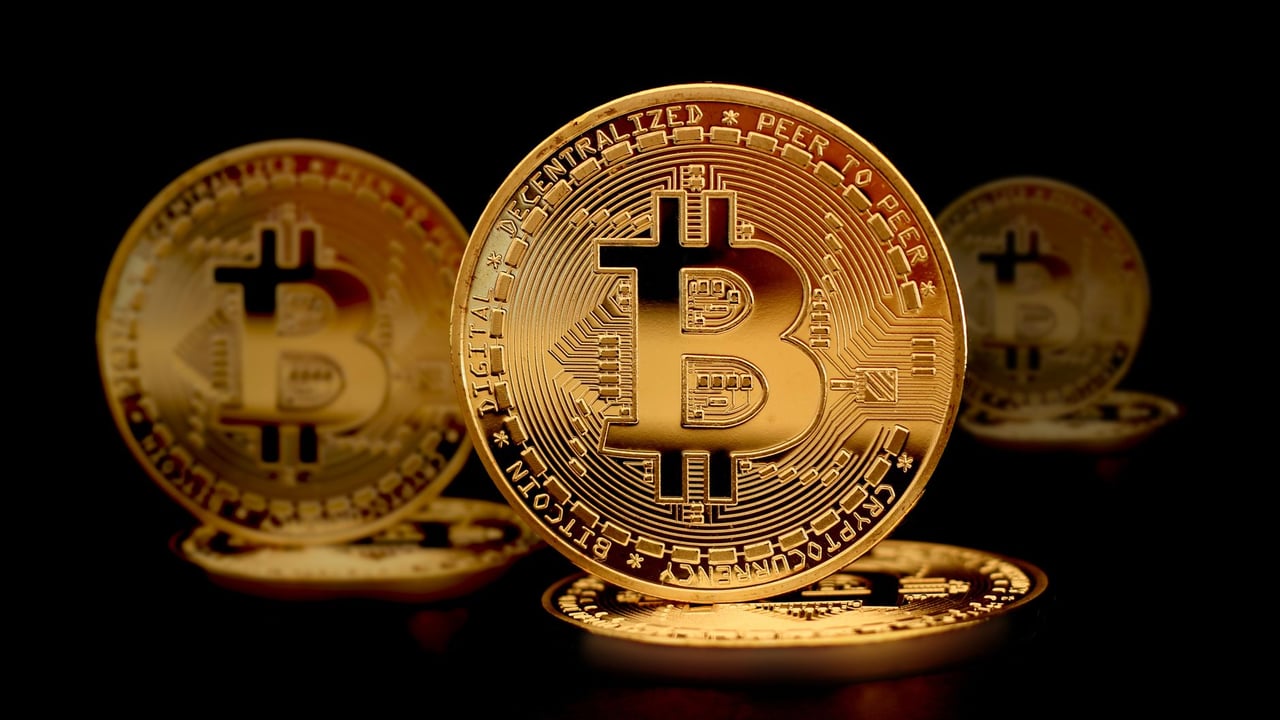
The primary driver of this shift is the emergence of tokenization—the process of converting physical gold into digital assets on a blockchain. Kurt Hemecker, CEO of Gold Token SA, argues that this evolution turns a historically 'static' asset into a high-velocity financial instrument. Unlike traditional bullion markets, tokenized gold offers 24/7 liquidity and the ability to be utilized as instant collateral in the broader decentralized and centralized financial systems without the logistical burden of moving physical bars.
This shift is particularly salient given the current geopolitical climate, where the ongoing energy crises and conflicts in the Middle East have highlighted gold’s unique value as a liquid life-line. Central banks are no longer content with gold sitting idle in vaults; many are increasingly looking to monetize their holdings through digital swaps and liquidity operations. Tokenization provides the necessary infrastructure to make these transactions efficient and transparent, effectively 're-monetizing' the yellow metal for the 21st century.
However, significant hurdles remain before gold can fully claim its place in the digital economy. The industry faces a 'trust gap' regarding the legal link between digital tokens and the physical metal stored in specific jurisdictions. Standardization is currently the greatest challenge, as the market requires interoperable frameworks that allow gold tokens to move seamlessly across different institutional platforms and regulatory environments.
Despite these obstacles, the macro-economic incentives for gold accumulation remain robust. Persistent currency debasement and a shifting global order have maintained a floor under gold prices. For institutional investors, the current price correction represents a strategic entry point into an asset class that is finally bridging the gap between ancient value and modern financial technology.