

Global financial markets are in the throes of a sharp sell-off as escalating military tensions between Washington and Tehran trigger a flight from risk assets. The Dow Jones Industrial Average plunged over 800 points in late trading, while traditional safe havens like gold saw counter-intuitive drops, likely fueled by a scramble for liquidity as margin calls hit broader portfolios.
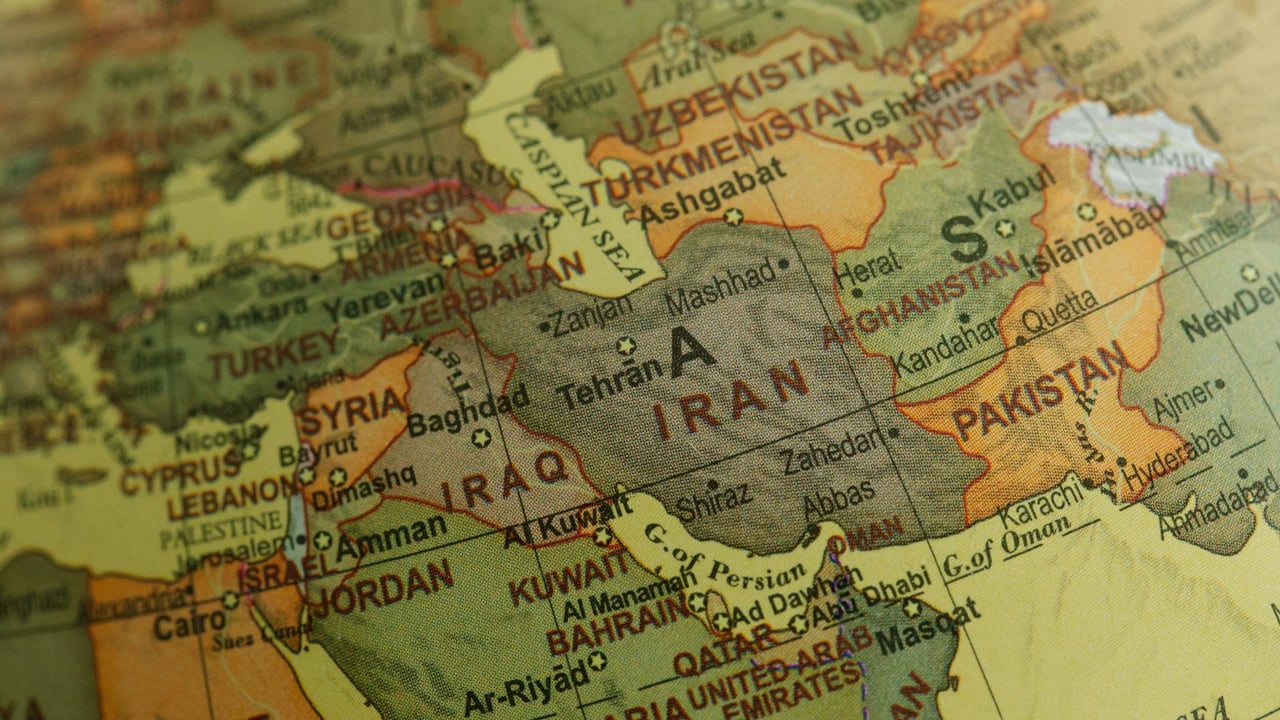
The catalyst for the turmoil was a series of U.S. airstrikes in southern Iran early on July 8, which reportedly claimed the lives of eight Iranian military personnel. These strikes, centered on the strategic hubs of Bandar Abbas and Bushehr, mark a significant departure from previous shadow-war tactics toward direct kinetic engagement involving the Iranian Army Aviation and Navy.
Tehran’s response has been swift and menacing, with official channels threatening to shutter the Strait of Hormuz—the world’s most critical maritime chokepoint for energy supplies. A move to block the waterway would effectively paralyze nearly 20% of global oil consumption, a reality reflected in the immediate 8% spike in Brent crude prices which surged past $80 per barrel.
As the USS Abraham Lincoln carrier strike group maneuvers into offensive positions in the Persian Gulf, the specter of a full-scale regional conflict looms large. Investors are now pricing in a prolonged period of geopolitical instability that could derail global recovery efforts and keep energy prices elevated for the foreseeable future, even as the crypto market sees hundreds of millions in liquidations.