
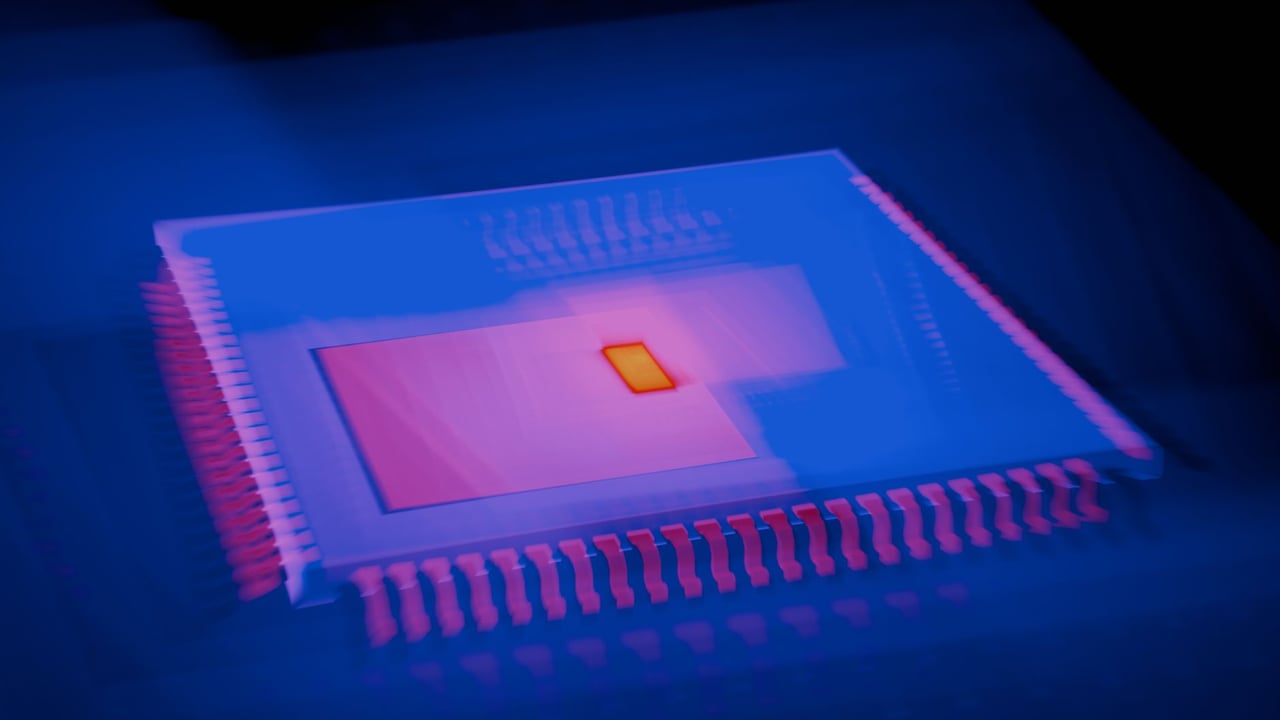

China’s semiconductor landscape is undergoing a structural transformation, driven by a dual-engine of explosive AI demand and an intensified push for domestic self-reliance. The recent publication of Huawei’s 'Tao’s Law V2' has signaled a new era in the country’s advanced manufacturing strategy. This updated framework provides a roadmap for domestic advanced process technology, focusing on system-level miniaturization and logic-folding architectures to mitigate the impact of international lithography restrictions.
Market dynamics are reflecting this urgency as nearly twenty major power and analog semiconductor firms have initiated price hikes, particularly for AI server components, where increases range between 15% and 25%. This shift indicates a tightening supply-demand balance as China’s tech giants scramble to secure domestic hardware. The momentum is further underscored by ChangXin Memory Technologies (CXMT) securing a massive 20-billion-yuan supply agreement with Tencent, marking the formal entry of domestic DRAM into the core infrastructure of China’s leading internet ecosystems.
Investment vehicles are rapidly consolidating around these high-growth verticals. The Invesco Sci-Tech 50 ETF (588950) has seen its scale reach record highs, surpassing 5.28 billion yuan, as investors seek concentrated exposure to the 'upstream' winners of this cycle. With the STAR 50 Index maintaining an 86% weight in electronics, it has become the primary proxy for the health of China’s 'Hard Tech' sector. Key holdings such as SMIC, Cambricon, and AMEC are increasingly viewed not just as companies, but as strategic national assets in the global technology race.
Analysts suggest that the current market volatility represents a healthy digestion of high valuations rather than a cooling of interest. As global memory giants like SK Hynix and Samsung announce billion-dollar expansions to meet AI needs, China’s localized supply chain is moving in tandem. The focus has shifted from mere survival under sanctions to scaling production and capturing the value generated by the localized AI infrastructure boom, ensuring that the semiconductor sector remains the vanguard of China’s economic recovery.