
Daily Brief News
Latest daily brief news and updates
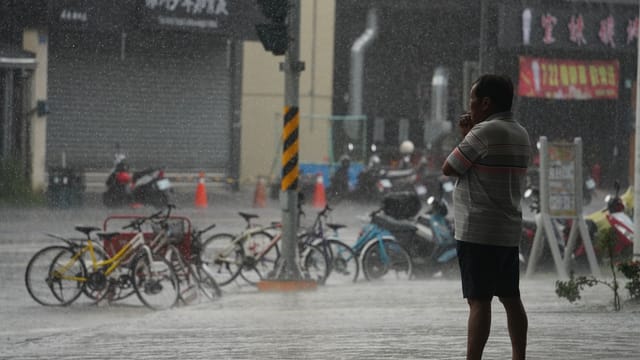
Typhoon Zitan Prompts Flood Warnings and Evacuations Across South China
Heavy rainfall causes rivers to breach warning thresholds in Guangxi and threatens the wider Pearl River basin.

Inner Mongolia Opens Third Mongolian Horse Super League in Xilingol
The regional equestrian tournament in Taipusi Banner opens with traditional performances and large-scale horse parades.

American Visitor Sykes Arrives in Beijing, Highlighting People-to-People Ties
Arriving in the Chinese capital, the American friend voiced support for bilateral cooperation in building a better world.

Chinese Polar Research Vessel Xue Long Completes Arctic Ice Station Missions
China's 16th Arctic expedition sets a record with 12 short-term ice stations north of 82 degrees latitude, deploying over 30 monitoring instruments.

Azerbaijani Version of Chinese State TV Feature on Xi Jinping Debuts in Baku
China Media Group marks its first Azerbaijani-dubbed program with a cultural feature broadcast on local television channels.

Chinese Memorials and Archives Release New Wartime Records on Japanese Military Atrocities
Institutions in Nanjing, Harbin, and Guangzhou present newly acquired survivor testimonies, official documents, and wartime correspondence.
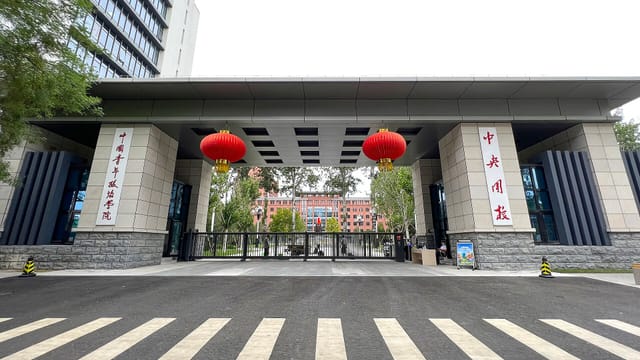
Former Premier Zhu Rongji to Be Cremated in Beijing on August 18
China announces official mourning arrangements, including lowering flags to half-mast nationwide and at overseas diplomatic missions.

Activists Face Tokyo Street Harassment Over Nanjing Massacre Campaign
A French-Chinese youth initiative advocating for recognition of historical atrocities encounters right-wing pushback during Tokyo street outreach.

Beijing to Mark Jiang Zemin Centenary as Xi Jinping Prepares Address
China schedules a high-level gathering at the Great Hall of the People to commemorate the 100th anniversary of the late leader's birth.

South-to-North Water Diversion Middle Route Exceeds 80 Billion Cubic Meters
The infrastructure milestone supports 118 million northern residents while reversing decades of groundwater depletion across North China.

China Mobilizes Relief and Engineering Forces After Henan Dike Breaches
Emergency crews evacuate hundreds in Zhoukou while central ministries allocate 80 million yuan to regional flood defense.

China Upgrades Emergency Response as Residual Typhoon Rainstorms Hit Central Regions
Although Typhoon Baidolphin is no longer tracked as an active storm, its remnant circulation triggers severe downpours, flash floods, and transport delays across multiple provinces.