High Seas Synchronicity: The Strategic Signaling of 'Joint Sea-2026'

China and Russia have launched the active maritime phase of their Joint Sea-2026 naval exercises, signaling a deeper level of military integration. The transition from harbor planning to high-seas maneuvers underscores a shared commitment to challenging the traditional security architecture of the Pacific.

Share
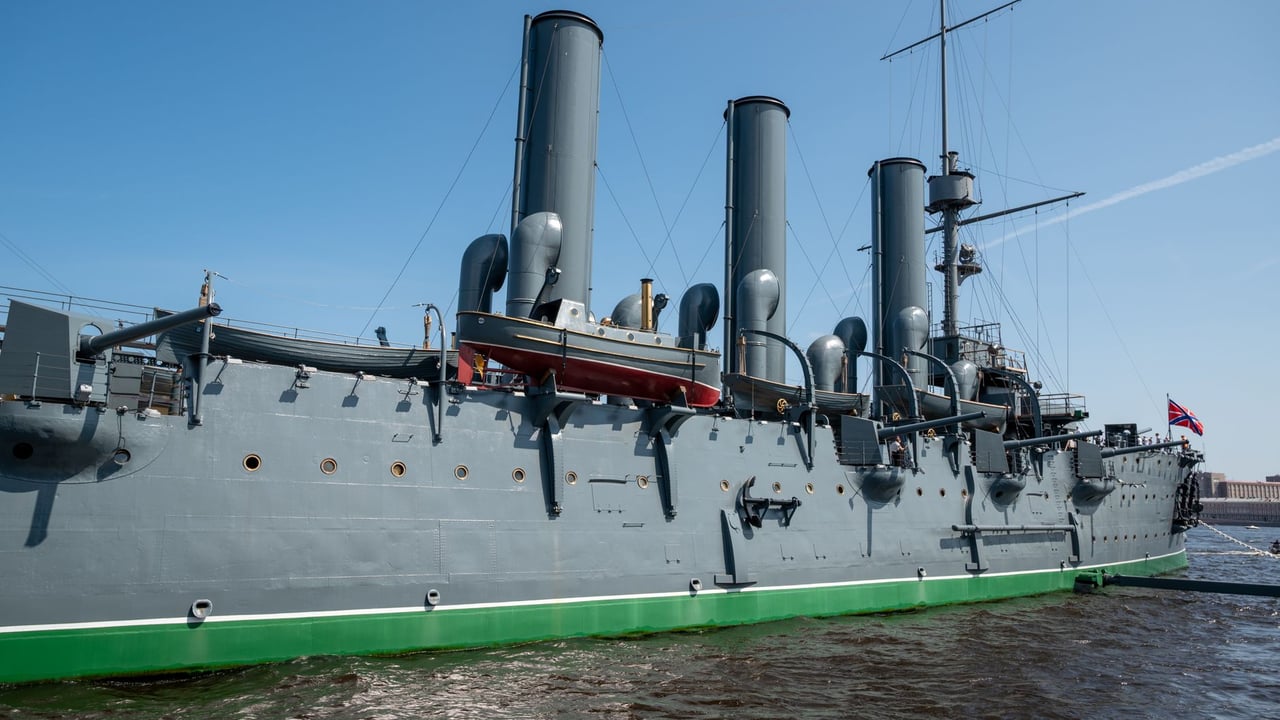
Side view of the Aurora cruiser ship docked on a sunny day in Saint Petersburg.

Key Takeaways

  • 1Joint Sea-2026 has moved from the planning stage to live-fire and tactical maritime operations.
  • 2The exercises focus on high-end naval capabilities, including anti-submarine and air defense integration.
  • 3The maneuvers demonstrate a significant increase in the operational interoperability of the Chinese and Russian navies.
  • 4This collaboration serves as a strategic counter-signal to Western maritime influence in the Indo-Pacific.

Editor's
Desk

Strategic Analysis

The progression of 'Joint Sea-2026' is less about immediate combat readiness and more about the institutionalization of the China-Russia 'no limits' partnership. By refining their ability to operate as a single force, Beijing and Moscow are effectively creating a counter-weight to the U.S.-led 'hub-and-spoke' alliance system in Asia. This maritime synergy forces regional powers like Japan and Australia to reconsider their defensive postures, as they no longer face a single-front naval threat, but a dual-navy challenge capable of stretching Western maritime resources across the Pacific.

China Daily Brief Editorial
Strategic Insight
China Daily Brief

The "Joint Sea-2026" exercises between the People’s Liberation Army Navy (PLAN) and the Russian Navy have officially transitioned from harbor-side planning to active maritime maneuvers. This shift marks a critical phase in a biennial tradition that has grown increasingly sophisticated, reflecting a burgeoning strategic alignment between Beijing and Moscow.

While previous iterations often focused on humanitarian assistance or basic anti-piracy drills, the 2026 maneuvers emphasize high-intensity combat scenarios. Ships from both nations are now engaging in complex tactical evolutions, including joint air defense, anti-submarine warfare, and integrated electronic countermeasures.

The geographic and technical scope of these exercises serves as a calculated display of maritime power projection. By conducting live-fire drills and coordinated patrols, both nations are signaling a shared rejection of what they describe as unilateralism in the Indo-Pacific region.

For international observers, the degree of data-sharing and communication interoperability between the two fleets is the most telling metric. The ability of Russian and Chinese vessels to operate under a unified command structure suggests a level of military trust that has reached its highest point in the post-Cold War era.

Related Articles

📰
No related articles found